


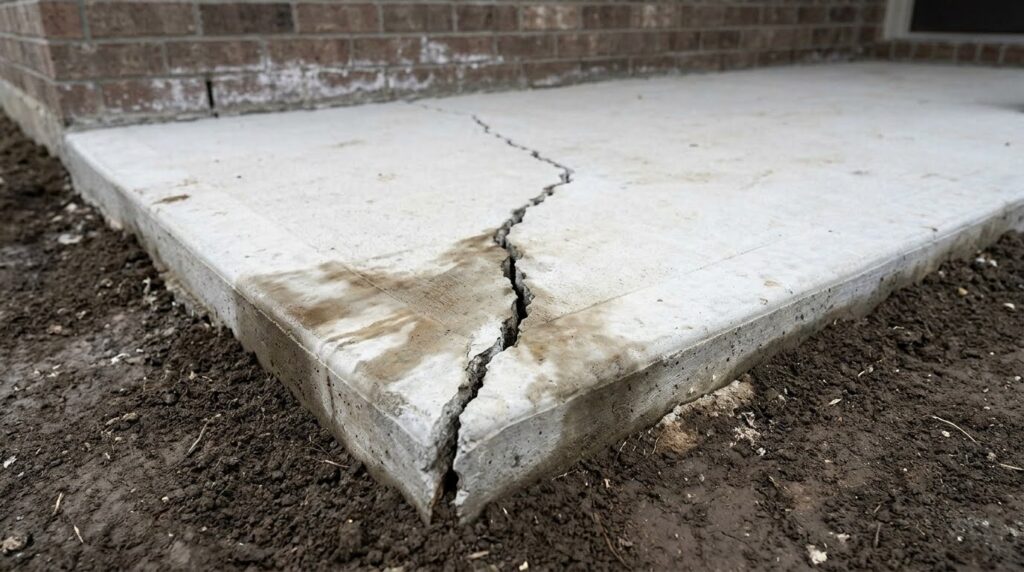
Keep Your Home Standing Strong on a Slab
Slab foundations are the norm around Powder Springs. Most homes sit right on a concrete slab with no basement or crawlspace to give extra space between the house and the wet Georgia ground. When water finds its way under or around that slab, trouble can build slowly and quietly.
Moisture can weaken the soil under your home, crack the concrete, and let damp air and mold move into your living space. Our heavy spring and summer storms can dump a lot of water in a short time, and Georgia clay does not let that water soak away very fast. Taking steps now to protect your slab is far easier than dealing with major structural repairs or full water damage restoration in Powder Springs, GA later on.
Why Slab Foundations Are Vulnerable in Powder Springs
A slab on grade is a simple design. Contractors compact the soil, sometimes add gravel and a moisture barrier, place plumbing lines, then pour a single thick concrete pad on top. Your walls, floors, and many of your plumbing lines rest on that one piece of concrete.
That design works well, but it also means:
- The concrete is in direct contact with the soil
- Plumbing lines often run under or through the slab
- Any change in the soil under the slab can shift the whole structure
Local conditions make things harder on slabs. Our red clay soil holds onto water like a sponge. After a big thunderstorm, water can sit against your foundation instead of draining away. Many lots in Powder Springs are fairly flat, so rainwater has a hard time finding a path downhill. If the yard slopes toward the house, water gets trapped right where you do not want it: next to your slab.
Common water sources around a slab include:
- Poor grading that sends rain toward the house instead of away
- Gutters that are clogged or downspouts that pour right at the slab edge
- Sprinklers or irrigation heads spraying the foundation every day
- Hidden plumbing leaks under the slab that keep the soil wet all the time
Over time, this extra moisture can cause the clay under parts of the slab to swell while other areas dry and shrink. That uneven movement can crack the concrete, let moisture into your flooring, and change how doors and windows fit.
Early Red Flags of Slab Water Damage You Cannot Ignore
Slab problems often start small. Many homeowners notice a few little changes and shrug them off until the damage is harder to fix. Catching these signs early can save a lot of stress.
Watch for structural and movement clues like:
- Hairline cracks in tile, concrete floors, or drywall that keep growing
- New gaps between walls and ceilings or between baseboards and floors
- Doors and windows that used to close smoothly but now stick or scrape
- Floors that feel uneven, sloped, or slightly spongy in certain spots
Moisture leaves its own set of hints. Pay attention if you see:
- Persistent dampness or dark spots on carpet, wood, or vinyl near exterior walls
- Stained or swollen baseboards, or paint that peels close to the floor
- A musty smell in lower rooms, closets on exterior walls, or along baseboards
- White, chalky residue on exposed concrete, which can be a sign of moisture movement
- A sudden jump in your water bill when your habits have not changed
When these warning signs show up, it is not wise to wait and see. Hidden moisture can allow mold to grow behind walls or under flooring, even when surfaces still look fine. At that point, you may need professional inspection, drying, and water damage restoration in Powder Springs, GA to protect both your structure and your indoor air.
Practical Ways to Keep Water Away From Your Slab
The best plan is to stop water before it sits near your foundation at all. Small changes around your yard and home can make a big difference over time.
Start with grading and drainage:
- Make sure the soil slopes away from your home on all sides
- Fill in low spots that collect water near the slab
- Add extensions to downspouts so they release water 4 to 6 feet from the foundation
Your gutters are another key line of defense. Keep them clear of leaves and debris so they can handle heavy downpours. Before stormy seasons, walk the outside of your home during a rain and see where water is actually going. If you see water spilling over the edge of a gutter or pouring straight down at one corner of the house, that area needs attention.
A few more outdoor tips:
- Direct AC condensation lines away from the slab, not right against it
- Avoid large mulch piles stacked up against the foundation
- Keep thirsty plants and constantly watered flower beds a little away from the slab edge
- In yards with stubborn soggy spots, talk with a professional about French drains or shallow swales to guide water away
Irrigation also plays a big role. Georgia clay does not need as much water as sandy soil. Set your sprinklers so the spray does not hit your walls or foundation, water early in the morning, and cut back the schedule when the weather is wet. Overwatering can keep the soil along your foundation softer and more unstable than the soil farther out in the yard.
When Moisture Reaches the Slab: Repair and Restoration Options
If you suspect water is already affecting your slab, fast action helps limit the damage. If you think there might be a leak in a water line, shut off the main water supply to stop more water from feeding the problem. Move furniture, rugs, and boxes away from damp areas to protect them and give professionals access.
What you should not do is start tearing out flooring or cutting into walls on your own. Opening up wet areas without a plan can spread mold spores and make cleanup harder. It can also hide signs that help show where the water is really coming from.
Professional help can include:
- Moisture mapping to see how far water has traveled under floors and behind walls
- Support with leak detection to confirm or rule out a slab leak
- Controlled demolition that removes only what is truly damaged
- Structural drying with air movers and dehumidifiers
- Mold remediation when growth has already started
Full water damage restoration in Powder Springs, GA can also involve working alongside plumbers to repair broken lines under the slab, drying and treating subfloor or framing lumber that has been exposed, and coordinating reconstruction so floors, walls, and trim are put back the right way.
Protect Your Slab Foundation Before the Next Storm Hits
A little routine attention goes a long way in keeping your slab strong. Before and after big spring or summer storms, take a slow walk around your property. Watch how water flows through the yard, check that gutters are draining into downspouts instead of over the edges, and look along the slab line for new cracks, gaps, or damp areas.
It helps to keep a simple checklist focused on your foundation:
- Clean gutters and downspouts at least a couple of times a year
- Check that soil still slopes away from the house and refill low spots
- Review sprinkler settings and confirm they are not soaking the walls
- Glance at your water bill each month for sudden unexplained jumps
If you ever notice warning signs like spreading floor cracks, musty smells along baseboards, or soft spots in flooring, it is smart to get a professional opinion before the problem grows. At PuroClean of Powder Springs, we live and work in the same clay and storm patterns you do, and we understand how quickly moisture issues around a slab can turn serious. With prompt, careful attention to water, mold, and structural moisture problems, your slab foundation and your home can stay solid and healthy for many years.
Protect Your Property With Fast, Local Water Damage Help
If water has damaged your home or business, we are ready to respond quickly and restore your property with as little disruption as possible. Our experienced team at Puroclean – Powder Springs provides proven water damage restoration in Powder Springs, GA tailored to your specific situation. Reach out today so we can assess the damage, explain your options, and start the recovery process. If you prefer to speak with us directly, you can also contact us to schedule prompt service.