Table of Contents
Crawl space water damage can affect your home long before you see water inside your living space. In Sacramento, CA, winter rain, poor drainage, plumbing leaks, and foundation moisture can leave crawl spaces damp, musty, or mold-prone. Homeowners should watch for odors, warped floors, high humidity, pest activity, and visible moisture under the home. If the area stays wet, professional inspection and drying may be needed.
What Is Crawl Space Water Damage?
Crawl space water damage happens when unwanted moisture enters or remains in the space beneath a home. This can affect wood framing, insulation, subflooring, ducts, vapor barriers, and indoor air quality.
A crawl space does not have to be flooded to cause problems. Even ongoing crawl space moisture can create damage over time, especially when the area has poor ventilation, standing water, or wet insulation.
Because crawl spaces are rarely checked, small moisture problems can stay hidden until they lead to mold, odors, soft floors, or structural concerns.
What Causes Crawl Space Water Damage in Sacramento Homes?
Sacramento homes can experience crawl space issues after repeated rain, drainage problems, plumbing leaks, or moisture buildup under the structure. The most common causes are often preventable if found early.
Poor Drainage Around the Foundation
Rainwater should flow away from the home. If the ground slopes toward the foundation, water can collect near crawl space vents, foundation walls, or access points.
Over time, this can lead to foundation moisture problems and allow water to enter the crawl space. Short downspouts, clogged gutters, and compacted soil near the home can make this worse.
Winter Rain and Saturated Soil
After several storms, the soil around a Sacramento home can stay wet for days or weeks. When the ground becomes saturated, moisture may seep into low areas beneath the home.
This is a common cause of wet crawl space conditions. Even if there is no standing water, the air under the home may remain damp enough to affect wood, insulation, and flooring above.
Plumbing Leaks Under the Home
Some plumbing lines run through or near crawl spaces. A small leak from a water supply line, drain pipe, or fixture above the crawl space can keep the area wet without being obvious inside the home.
These leaks may show up as damp soil, wet insulation, mold growth, or a persistent musty smell. If the leak continues, the damage can spread to floor joists and subflooring.
Clogged Gutters and Short Downspouts
Gutters and downspouts help move roof water away from the home. When they are clogged or too short, water may spill directly beside the foundation.
That moisture can eventually enter the crawl space or increase humidity beneath the home. Regular gutter cleaning is a simple but important part of preventing crawl space water damage.
Signs of Crawl Space Water Damage
Many homeowners do not notice crawl space problems right away because the damage starts below the home. The warning signs often appear indoors before anyone checks under the structure.
Common signs include:
- Musty odors near floors, closets, or vents
- Uneven, soft, or warped flooring
- Higher indoor humidity
- Mold around baseboards or lower walls
- Pest activity under or around the home
- Cold or damp floors
- Visible water near crawl space vents or access points
These signs may indicate hidden water damage beneath the home. If they appear after rain or continue over time, the crawl space should be inspected.
Crawl Space Water Damage Risk Table
| Problem Area | What May Be Happening | Why It Matters |
|---|---|---|
| Soil under the home | Moisture or standing water is collecting | Damp soil can raise humidity and affect wood framing |
| Insulation | Insulation is wet, sagging, or contaminated | Wet insulation loses effectiveness and may support mold |
| Floor joists | Wood is damp, stained, or soft | Long-term moisture can weaken structural materials |
| Vapor barrier | Barrier is missing, torn, or displaced | Ground moisture can enter the crawl space more easily |
| Ductwork | Ducts are exposed to damp air | Moisture can affect air quality and energy efficiency |
| Foundation vents | Water enters during rain | Poor drainage may be allowing water into the crawl space |
Risks of Ignoring Crawl Space Moisture
A crawl space moisture problem can become more serious when it is not addressed. Moisture may stay trapped under the home and affect materials that are difficult to see.
Mold Growth
A damp crawl space can create conditions for crawl space mold. Mold may grow on wood, insulation, stored materials, or other surfaces when moisture remains for too long.
Mold under the home can also contribute to musty odors indoors. If the HVAC system or air movement pulls crawl space air into the home, indoor air quality may be affected.
Wood Damage and Structural Concerns
Wood framing can absorb moisture over time. If the crawl space remains wet, floor joists, beams, and subflooring may begin to stain, soften, or deteriorate.
This does not always happen immediately, but repeated moisture exposure increases the risk. Soft spots, sagging floors, or unusual floor movement should be inspected quickly.
Pest Problems
Moist crawl spaces can attract pests such as insects, rodents, and termites. These pests often prefer dark, damp areas where they can find shelter.
If pests are present along with moisture, both problems need attention. Simply removing pests without addressing the water source may allow the issue to return.
Higher Indoor Humidity
Moisture beneath the home can raise indoor humidity levels. This may make rooms feel damp, increase odors, and place more strain on the HVAC system.
If your home feels humid even when the weather is dry, the crawl space may be part of the problem.
What to Do If You Suspect Crawl Space Water Damage
If you suspect crawl space water damage, the first step is to identify where the moisture is coming from. Drying the space without fixing the source may only provide temporary relief.
Step 1: Check Drainage Around the Home
Look for pooling water near the foundation after rain. Check whether gutters are clogged and whether downspouts are moving water away from the home.
If water regularly collects near the crawl space, drainage improvements may be needed.
Step 2: Look for Indoor Warning Signs
Inside the home, pay attention to odors, warped flooring, damp rooms, or mold near lower walls and baseboards. These signs may point to moisture below the floor.
Do not cover damaged areas with paint, flooring, or sealant until the moisture problem is resolved.
Step 3: Inspect the Crawl Space Safely
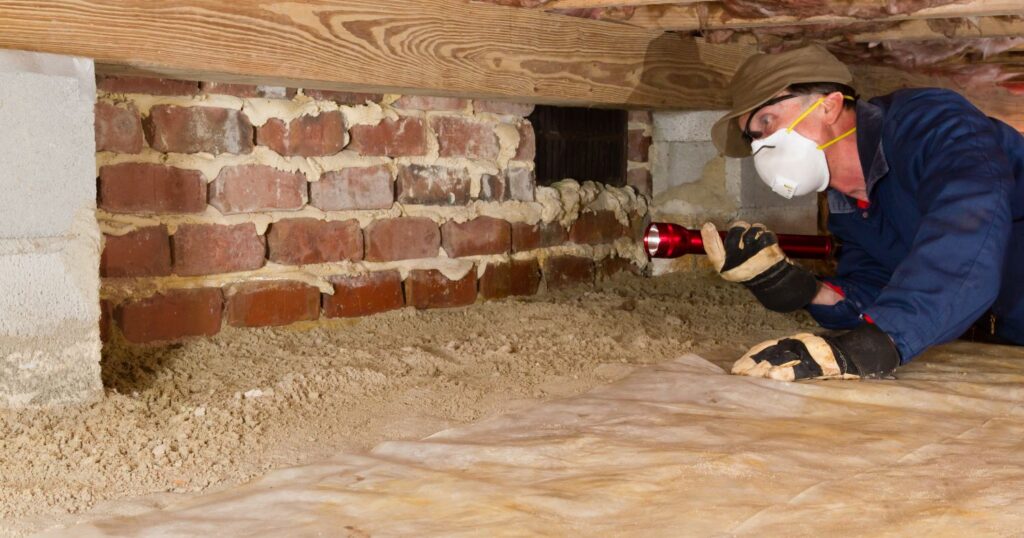
If it is safe to access the crawl space, look for standing water, wet insulation, damp soil, mold, pest activity, or damaged vapor barriers. Avoid entering if there is electrical risk, sewage contamination, or heavy mold growth.
A professional inspection is safer when the source of moisture is unclear or the damage appears widespread.
Step 4: Dry and Restore Affected Areas
Professional drying may be needed if the crawl space has standing water, wet insulation, mold concerns, or moisture affecting structural materials. PuroClean Home Rescue provides water damage restoration Sacramento services to help identify moisture, remove water, dry affected areas, and reduce the risk of further damage.
FAQs About Crawl Space Water Damage
How do I know if my crawl space has water damage?
You may notice musty odors, damp floors, warped flooring, mold growth, pest activity, or high indoor humidity. In the crawl space itself, signs include standing water, wet soil, sagging insulation, stained wood, or visible mold.
Is crawl space water damage serious?
Yes. Crawl space water damage can affect insulation, wood framing, subflooring, indoor air quality, and the overall condition of the home. The longer moisture remains, the higher the risk of mold growth and structural damage.
What causes water in a crawl space after rain?
Water may enter because of poor grading, clogged gutters, short downspouts, foundation cracks, saturated soil, or crawl space vents that allow rainwater inside. Repeated storms can make the problem worse if drainage is not corrected.
Can crawl space moisture cause mold inside the house?
Yes. Crawl space mold can contribute to musty odors and may affect indoor air quality, especially if air from the crawl space moves into the living areas. Moisture control and proper drying are important to reduce this risk.
When should I call a water damage restoration company?
Call a restoration company if there is standing water, wet insulation, mold, persistent odors, soft flooring, or recurring moisture after rain. Professional moisture detection and drying can help prevent further damage.
Call PuroClean Home Rescue for Crawl Space Water Damage in Sacramento
Crawl space water damage should not be ignored, even if the living area looks dry. Moisture beneath the home can affect flooring, insulation, wood framing, air quality, and long-term property condition.
If you notice signs of a wet crawl space, musty odors, mold, or moisture after rain, contact PuroClean Home Rescue in Sacramento, CA at (866) 722-7876. Our team can help with inspection, water removal, drying, cleanup, and restoration after crawl space water damage.
Key Takeaways
- Crawl space water damage often starts below the home and may not be visible right away.
- Sacramento homes can develop crawl space moisture after winter rain, poor drainage, or plumbing leaks.
- Warning signs include musty odors, warped floors, high humidity, mold, and pest activity.
- A wet crawl space can lead to mold, wood damage, insulation problems, and indoor air quality concerns.
- Gutters, downspouts, grading, and vapor barriers all help reduce crawl space moisture risk.
- Professional drying may be needed when water affects insulation, subflooring, or structural materials.
- For water damage restoration Sacramento, contact PuroClean Home Rescue.
Read more: