Table of Contents
Groundwater intrusion is one of the most overlooked causes of water damage in Sacramento homes. When heavy rain saturates soil, water builds pressure against foundations and seeps through cracks, slab joints, and crawl spaces. This hidden moisture can lead to mold growth, structural weakening, and long-term property damage. If you notice musty odors, damp flooring, or foundation cracks, early inspection and professional mitigation from PuroClean in Sacramento, CA can prevent expensive repairs.
What Is Groundwater Intrusion?
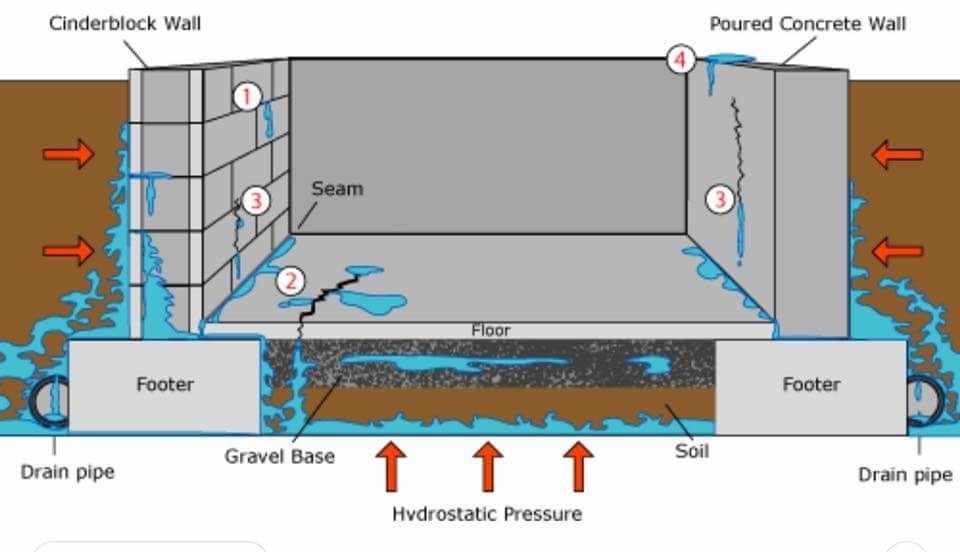
Groundwater intrusion occurs when subsurface water enters a home through its foundation or below-grade structure due to soil saturation and hydrostatic pressure.
Unlike a burst pipe or roof leak, this form of subsurface water intrusion originates outside the structure. After heavy rain or prolonged irrigation, groundwater accumulates around the foundation. When pressure builds, moisture is forced through porous concrete, hairline cracks, or construction joints.
This is often referred to as:
- Foundation seepage, when water migrates slowly through cracks or porous concrete materials over time.
- Hydrostatic pressure water damage, where accumulated water in saturated soil exerts force against foundation walls and slab floors.
- Slab water intrusion, when moisture rises through concrete flooring due to inadequate moisture barriers.
Because the source is underground, homeowners may not detect the issue until secondary damage appears.
Why Sacramento Homes Face Increased Risk
Sacramento’s winter rainfall patterns and clay-heavy soil composition contribute to recurring groundwater intrusion issues.
Local risk factors include:
- Expansive clay soils that retain water for extended periods, increasing pressure against foundation walls long after rainfall stops.
- Homes built on slab foundations without modern waterproof membranes, making them more susceptible to moisture transfer.
- Improper grading that directs water toward the structure, allowing pooling near exterior walls instead of safe drainage away from the home.
- Over-irrigation during dry months, which can create saturated soil conditions even outside of storm events.
These conditions allow groundwater to accumulate and push inward through vulnerable areas.
Signs of Groundwater Intrusion in Your Home
Because groundwater intrusion is often gradual, early warning signs are subtle.
Watch for:
- Musty or damp odors along exterior-facing walls, which often indicate hidden moisture inside drywall or insulation rather than surface condensation.
- Efflorescence (white powdery residue) on concrete surfaces, caused by mineral deposits left behind when water evaporates from masonry materials.
- Warped laminate or engineered wood flooring near slab edges, suggesting moisture is rising from below rather than leaking from above.
- Hairline cracks in foundation walls or slab joints, which may widen over time as soil pressure increases during rainy seasons.
- Elevated indoor humidity during wet months, even without visible leaks or roof damage.
Ignoring these signs increases the risk of structural deterioration and mold growth.
Risks of Ignoring Groundwater Intrusion
Untreated foundation seepage can cause progressive and costly damage.
- Mold growth within concealed wall cavities, which can begin within 24–48 hours when moisture remains trapped behind drywall.
- Degradation of structural framing, as wood absorbs moisture and gradually weakens under sustained damp conditions.
- Deterioration of insulation and vapor barriers, reducing energy efficiency and increasing humidity inside the home.
- Long-term cracking or shifting of foundations, especially in clay-rich soil that expands and contracts with moisture changes.
In Sacramento, recurring seasonal rains can compound these issues year after year.
How to Reduce the Risk of Groundwater Intrusion
Preventative measures focus on managing water before it reaches the foundation.
Improve Exterior Drainage
Effective drainage helps relieve hydrostatic pressure.
- Ensure soil slopes away from the home at a minimum grade of six inches over ten feet, preventing surface water from pooling against foundation walls.
- Extend downspouts at least five to ten feet from the structure, reducing the volume of concentrated runoff near the slab.
- Install French drains or perimeter drainage systems if recurring pooling occurs, allowing groundwater to be redirected before pressure builds against the foundation.
Drainage improvements are often the most impactful long-term solution.
Address Foundation Vulnerabilities
Minor structural issues can become major entry points over time.
- Seal foundation cracks using professional-grade epoxy or polyurethane injection systems, which create a flexible barrier against water intrusion.
- Inspect slab joints annually for widening or separation, especially after heavy rainfall seasons.
- Install vapor barriers in crawl spaces, which limit moisture migration into living areas and reduce humidity levels.
Proactive maintenance reduces long-term repair costs.
What to Do If You Suspect Groundwater Intrusion
If you believe groundwater intrusion is occurring:
- Document visible damage and moisture patterns.
- Avoid relying solely on household fans, as they do not remove hidden moisture from structural cavities.
- Contact a professional restoration company for moisture mapping and structural drying.
- Address exterior drainage issues to prevent recurrence.
Professional drying prevents mold growth and structural weakening.
Professional Groundwater Intrusion Mitigation in Sacramento
PuroClean in Sacramento, CA specializes in identifying and mitigating groundwater intrusion and related water damage restoration needs.
Our services include:
- Advanced moisture detection using infrared thermal imaging and calibrated moisture meters to locate hidden water.
- Commercial-grade dehumidification systems designed to extract moisture from structural materials.
- Antimicrobial treatments to prevent mold growth following water exposure.
- Recommendations for long-term waterproofing or drainage improvements tailored to Sacramento soil conditions.
Early professional intervention protects both structural integrity and indoor air quality.
Frequently Asked Questions
Can groundwater intrusion happen without visible flooding?
Yes. Groundwater intrusion can occur slowly through foundation cracks or porous concrete without creating standing water. Moisture may remain hidden behind walls or beneath flooring before visible damage appears.
How quickly can mold grow from groundwater intrusion?
Mold can begin forming within 24 to 48 hours if moisture is not properly removed. Hidden damp areas create ideal conditions for microbial growth.
Is groundwater intrusion covered by homeowners insurance?
Coverage varies by policy. Some policies exclude gradual seepage from the ground, so homeowners should review their specific coverage details.
Does sealing foundation cracks permanently stop groundwater intrusion?
Sealing cracks helps reduce entry points, but it does not relieve hydrostatic pressure from saturated soil. Drainage improvements are often needed for long-term prevention.
How do professionals detect hidden groundwater intrusion?
Technicians use moisture meters and infrared imaging to identify water trapped behind walls or beneath flooring without unnecessary demolition.
Call PuroClean in Sacramento, CA
If you suspect groundwater intrusion, early action can prevent costly structural and mold damage. Professional assessment ensures hidden moisture is properly addressed and long-term solutions are implemented.
Contact PuroClean in Sacramento, CA at (866) 722-7876 for 24/7 water damage restoration and foundation moisture mitigation services.
Key Takeaways
- PuroClean offers expert groundwater intrusion mitigation in Sacramento.
- Groundwater intrusion occurs when saturated soil forces water through foundation cracks.
- Sacramento’s clay soils increase hydrostatic pressure during rainy seasons.
- Early signs include musty odors, efflorescence, and warped flooring.
- Drainage improvements reduce pressure against foundation walls.
- Crack sealing and vapor barriers provide added protection.
- Professional moisture detection prevents hidden mold growth.