Table of Contents
If your home has older plumbing, hidden leaks may already be causing damage behind walls, beneath flooring, or under the slab. Water damage from aging plumbing is one of the most common yet overlooked causes of property damage in older Rancho Cordova homes. Corroded pipes, failing joints, and gradual plumbing deterioration can create moisture problems long before obvious warning signs appear. Fast detection and mitigation can significantly reduce repair costs and mold risk.
What Is Water Damage From Aging Plumbing?
Water damage from aging plumbing refers to property damage caused by older plumbing systems that have deteriorated over time. Unlike sudden burst pipe emergencies, these issues often develop gradually, making them harder to detect until damage becomes extensive.
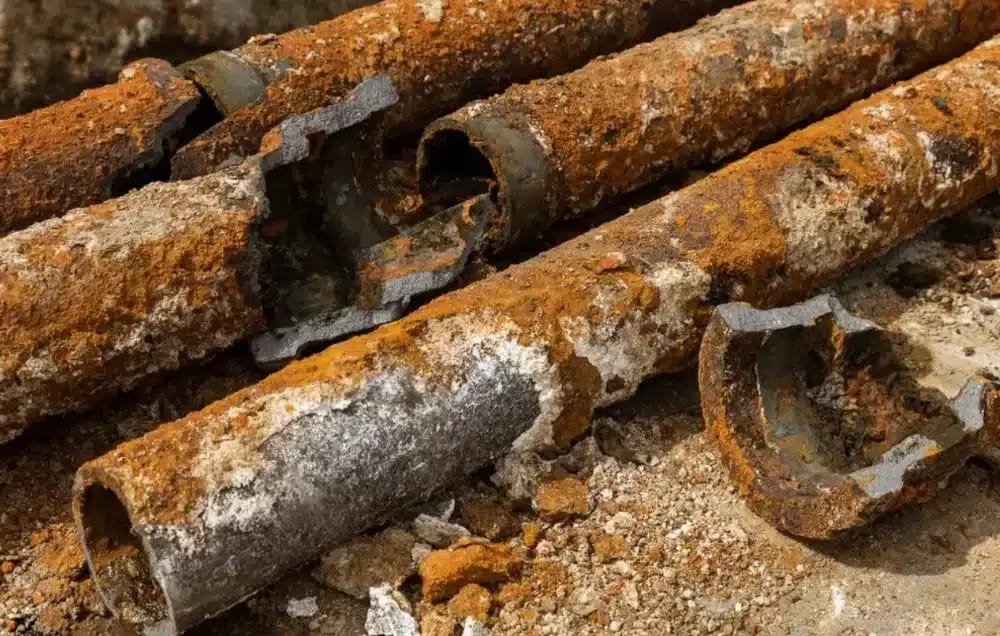
Older plumbing systems may fail due to corrosion, mineral buildup, weakened pipe joints, or outdated materials reaching the end of their service life.
This type of damage is especially common in homes where plumbing infrastructure has not been upgraded in decades.
Why Older Rancho Cordova Homes Face Higher Plumbing Risks
Many Rancho Cordova neighborhoods include homes built decades ago, which means aging plumbing systems are a realistic concern for homeowners.
Several factors increase the risk:
- Pipe corrosion weakens plumbing from the inside. Over time, metal pipes can corrode, restricting water flow and creating weak spots that eventually leak or fail.
- Older pipe materials are more vulnerable. Some aging systems use outdated materials that are far less durable than modern plumbing solutions.
- Mineral buildup can create internal pressure problems. Sacramento-area water conditions can contribute to scaling inside pipes, which gradually reduces efficiency and increases stress on the system.
- Hidden plumbing failures often go unnoticed. Leaks inside walls, crawlspaces, or beneath slab foundations may continue for weeks before visible damage appears.
Common Warning Signs of Aging Plumbing Damage
The challenge with water damage from aging plumbing is that symptoms often appear after moisture has already spread.
Watch for warning signs such as:
- Unexpected increases in your water bill. A slow leak behind the scenes may continuously waste water without obvious visible signs.
- Water stains on ceilings or walls. Discoloration often indicates hidden plumbing leaks that have already soaked surrounding materials.
- Reduced water pressure throughout the home. Corrosion, buildup, or internal pipe deterioration can restrict water flow.
- Musty odors or indoor humidity issues. Persistent moisture trapped behind materials often creates unpleasant smells and elevated humidity.
- Warping floors or bubbling paint. Structural materials begin reacting when moisture exposure continues over time.
- Sounds of dripping or running water. If plumbing sounds continue when fixtures are off, a hidden leak may be active.
How Aging Plumbing Causes Unexpected Water Damage
Plumbing deterioration usually follows a predictable pattern, but because much of the damage happens behind walls or beneath the home, homeowners often do not notice the problem until repairs become more serious.
- Internal wear weakens the plumbing system over time. Pipes naturally deteriorate due to age, corrosion, shifting water pressure, and mineral buildup, creating vulnerable areas that are more likely to fail.
- Small leaks begin in hidden problem areas. Minor plumbing failures often start at joints, fittings, or weakened pipe sections where water can slowly escape without immediate detection.
- Moisture spreads into surrounding building materials. Once a leak begins, water can seep into drywall, insulation, flooring, framing, or subfloor materials, causing hidden damage that continues to expand.
- Structural damage and mold risk increase. If the leak is not identified quickly, trapped moisture can weaken materials, raise indoor humidity, and create ideal conditions for mold growth.
- A larger plumbing emergency eventually develops. What starts as a slow, manageable leak can eventually lead to a burst pipe, major water intrusion, or extensive restoration needs.
Aging Plumbing vs Sudden Pipe Burst Damage
Not all plumbing-related water damage happens the same way.
| Issue | Typical Cause | Damage Pattern | Detection Difficulty |
|---|---|---|---|
| Aging plumbing leaks | Corrosion / deterioration | Slow, spreading moisture | High |
| Burst pipe | Sudden pressure failure | Immediate flooding | Low |
| Appliance leaks | Hose or connection failure | Localized damage | Moderate |
| Slab leak | Pipe beneath foundation failure | Hidden structural moisture | High |
Water damage from aging plumbing is especially costly because it often remains hidden longer than emergency plumbing failures.
Can Aging Plumbing Lead to Mold?
Yes.
Hidden leaks create ideal moisture conditions for mold growth, especially behind walls, under flooring, or in enclosed structural cavities.
This becomes more serious when:
- Moisture remains trapped for extended periods. Damp materials create ideal conditions for microbial growth.
- Ventilation is limited. Enclosed spaces dry more slowly, allowing moisture problems to worsen.
- Porous materials absorb water quickly. Drywall, insulation, wood, and carpeting can retain moisture long after the leak begins.
That is why hidden water damage, plumbing leak damage, and mold concerns often appear together.
What Homeowners Should Do If They Suspect Plumbing-Related Water Damage
If you suspect a hidden plumbing issue, quick action matters.
First, look for patterns rather than isolated symptoms. One small stain may not be urgent, but multiple warning signs usually indicate a larger issue.
If active leaking is suspected:
- Shut off water if safe to do so. This helps reduce additional damage while awaiting inspection.
- Move valuables away from affected areas. Electronics, furniture, and stored items should be protected from moisture exposure.
- Document visible damage. Photos can help with insurance documentation and restoration planning.
- Schedule professional inspection quickly. Hidden moisture requires proper detection and mitigation.
Frequently Asked Questions
How long do residential plumbing systems last?
It depends on the pipe material, installation quality, and maintenance history. Some systems last decades, while others fail much sooner.
Can old pipes leak without obvious symptoms?
Yes. Hidden plumbing leaks often develop inside walls, beneath slabs, or in inaccessible areas where damage spreads before becoming visible.
Is aging plumbing water damage covered by insurance?
Coverage depends on the policy and circumstances. Sudden accidental damage may be handled differently than long-term deterioration or deferred maintenance.
How serious is a slow plumbing leak?
Even a slow leak can lead to major structural damage, mold growth, and expensive restoration if left unresolved.
Protect Your Rancho Cordova Property Before Hidden Damage Gets Worse
Older plumbing systems rarely improve on their own. What starts as a small hidden leak can become widespread structural damage, mold contamination, or a major emergency.
If you suspect water damage from aging plumbing in Rancho Cordova or the greater Sacramento area, PuroClean can help identify moisture damage, mitigate water intrusion, and restore your property quickly. Contact us at (866) 722-7876.
Key Takeaways
- Water damage from aging plumbing often develops slowly and remains hidden.
- Older Rancho Cordova homes may face increased plumbing failure risk.
- Warning signs include stains, odors, pressure issues, and unexplained water bills.
- Hidden plumbing leaks can lead to mold and structural damage.
- Aging plumbing damage is often harder to detect than sudden pipe failures.
- Fast professional mitigation helps reduce repair costs and long-term damage.
- PuroClean helps Sacramento-area homeowners recover from hidden water damage.
Read more: