Table of Contents
The best way to prevent roof water damage is to inspect your roof before heavy rain begins and address small problems before they allow water inside. Check for missing or damaged shingles, deteriorated flashing, clogged gutters, damaged roof penetrations, and signs of moisture in the attic or ceilings. In Sacramento, where homeowners begin preparing for fall and winter storms after months of dry weather, an early roof inspection can help uncover problems before the first significant rainfall.
What Is Roof Water Damage?
Roof water damage occurs when rainwater enters a building through damaged roofing materials, flashing, vents, drainage systems, or other vulnerable areas. Once water penetrates the roof system, it can affect insulation, drywall, ceilings, wood framing, and other building materials.
A roof leak may start small and remain hidden until stains, odors, peeling paint, or visible moisture appear inside the home. Finding vulnerabilities before rainy weather arrives can reduce the risk of more extensive water intrusion.
How to Inspect Your Roof Before Rainy Season
A basic roof inspection should cover both the exterior roofing system and the interior areas directly beneath it. Homeowners can safely inspect many areas from the ground, while damaged, steep, or difficult-to-access roofs should be evaluated by a qualified roofing professional.
1. Look for Missing or Damaged Shingles
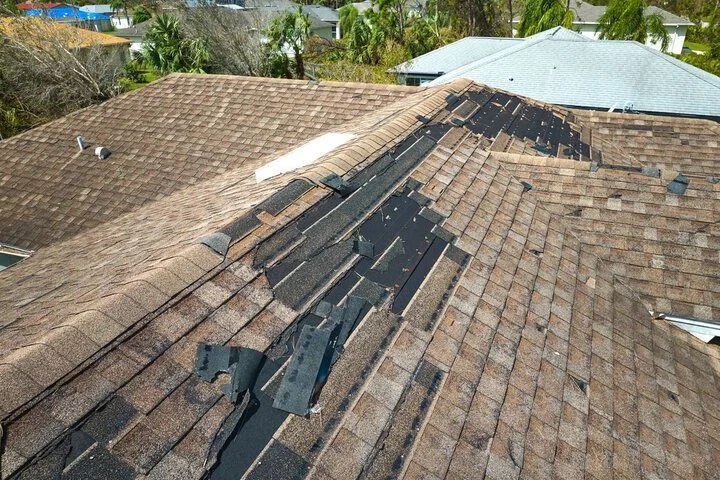
Start by examining the roof from the ground or another safe location. Look for shingles that are:
- Missing or displaced, which can leave the roof underlayment exposed to rain.
- Cracked, curled, or broken, which may allow moisture beneath the roofing surface.
- Losing significant amounts of granules, particularly if granules are collecting in gutters or near downspouts.
Even small areas of deterioration can become entry points when Sacramento receives prolonged or wind-driven rain.
2. Check Roof Flashing and Penetrations
Flashing helps prevent water from entering around roof joints and openings. Pay particular attention to areas around:
- Chimneys
- Skylights
- Plumbing vents
- Roof vents
- Valleys where two roof sections meet
Loose, corroded, cracked, or separated flashing can contribute to a roof leak even when the surrounding shingles appear intact.
3. Clean and Inspect Gutters
Gutters and downspouts need to move rainwater away from the roof and foundation efficiently. Leaves, dirt, roofing debris, and other material can obstruct drainage and cause water to back up along the roofline.
Before rainy season, remove visible debris and check that downspouts discharge water away from the structure. Also watch for loose gutters, separated joints, and sections that appear to hold standing water.
4. Inspect the Attic for Moisture
Roof problems are not always visible from outside. If your attic is safely accessible, inspect it for early signs of water intrusion.
Look for:
- Dark stains on rafters or roof decking
- Damp insulation
- Water marks
- Musty odors
- Visible mold-like growth
- Rust around nails or metal components
During daylight, small openings may also allow visible light through the roof decking. However, not every light source indicates a leak because some ventilation systems are intentionally open.
5. Check Ceilings and Walls
Walk through rooms directly below the roof and look for changes that could indicate hidden moisture. Common warning signs include ceiling stains, bubbling paint, peeling drywall, discoloration, or unexplained damp odors.
A stain does not always appear directly below the original roof opening. Water can travel along rafters, framing, or other materials before becoming visible indoors.
Roof Warning Signs and What They May Mean
Different warning signs can point to different parts of the roofing or drainage system.
| Warning Sign | Possible Cause | Recommended Next Step |
|---|---|---|
| Missing shingles | Wind or material deterioration | Have damaged roofing repaired |
| Ceiling stains | Roof leak or water intrusion | Locate the moisture source promptly |
| Overflowing gutters | Debris or drainage blockage | Clean gutters and inspect drainage |
| Damaged flashing | Aging, movement, or poor sealing | Have flashing evaluated or repaired |
| Damp attic insulation | Ongoing or previous moisture intrusion | Identify the source and dry affected materials |
| Musty odor | Hidden moisture or microbial growth | Inspect for concealed water damage |
Addressing these warning signs before heavy rainfall can help prevent a minor maintenance issue from becoming significant roof water damage.
Why Sacramento Homeowners Should Inspect Roofs Before Fall Storms
Sacramento’s long, dry summers can make roof problems easy to overlook. Roofing materials, sealants, flashing, and gutters may deteriorate or collect debris during months when little rain is falling.
When fall and winter storms arrive, those vulnerabilities may become apparent quickly. Inspecting the roof while conditions are still dry gives homeowners more time to arrange repairs rather than discovering a problem during active rainfall.
For additional homeowner guidance, you can reference the National Roofing Contractors Association (NRCA), an industry authority that provides information about roof maintenance, roofing systems, and professional roof inspections. This would be a relevant location for an authoritative external link.
What Should You Do If You Find Water Damage?
If rainwater has already entered the home, repairing the roof is only part of the solution. Wet building materials may also need to be inspected, dried, cleaned, or removed depending on the extent of the damage.
Professional water damage restoration may involve:
- Identifying affected materials and determining how far moisture has traveled.
- Extracting standing water when necessary.
- Using professional drying and dehumidification equipment.
- Monitoring moisture levels inside walls, ceilings, flooring, or structural materials.
- Cleaning and restoring salvageable areas.
Prompt drying is important because moisture can spread beyond the area where the leak first becomes visible.
FAQs About Roof Water Damage
Q: How often should I inspect my roof for leaks?
A: Homeowners should generally inspect their roofs at least once or twice a year and after significant storms. Checking the roof before the rainy season is especially useful because it provides time to correct problems before repeated rainfall begins.
Q: What are the first signs of roof water damage?
A: Common early signs include ceiling discoloration, damp attic insulation, musty odors, peeling paint, water stains, and damaged shingles or flashing. Some roof leaks remain hidden, so visible interior damage may appear after moisture has already spread.
Q: Can clogged gutters cause roof leaks?
A: Yes. Clogged gutters can prevent rainwater from draining correctly and may cause water to back up near the edge of the roof. Keeping gutters and downspouts clear helps reduce unnecessary moisture exposure around the roofline.
Q: Should I inspect my roof myself?
A: You can safely inspect many roofing problems from the ground and check your attic and ceilings indoors. Avoid climbing onto a steep, wet, damaged, or unstable roof; a qualified roofing professional should handle inspections that require roof access.
Q: Who should I call if a roof leak causes water damage inside my home?
A: A roofing professional can address the source of the leak, while a water damage restoration company can evaluate and dry affected interior materials. If water has entered your Sacramento home, PuroClean Home Rescue can help assess the resulting property damage.
Get Help With Roof Water Damage in Sacramento, CA
A damaged roof can allow moisture to spread into ceilings, walls, insulation, and structural materials before the full extent of the problem becomes obvious. If a roof leak has already caused water damage in your home, PuroClean Home Rescue provides professional water damage restoration services in Sacramento, CA.
Call (866) 722-7876 to have the affected areas evaluated and begin addressing the damage as soon as possible.
Key Takeaways
- Inspect your roof before Sacramento’s fall and winter storms begin.
- Look for damaged shingles, flashing, vents, gutters, and other vulnerable areas.
- Check the attic, ceilings, and walls for signs of hidden water intrusion.
- Keep gutters and downspouts clear so rainwater can drain properly.
- Address roof leaks early before moisture spreads into additional building materials.
- Use a qualified roofing professional when an inspection requires climbing onto the roof.
- If roof water damage has already affected your home, contact PuroClean Home Rescue at (866) 722-7876 for professional restoration assistance.