Table of Contents
If you’re wondering how to keep your sink from smelling, the answer is simple: control moisture, clean organic buildup, and maintain proper airflow. Most sink odors linked to mold growth start when water and residue linger in drains, faucet bases, or under-sink cabinets. With consistent cleaning and early leak detection, most households can eliminate musty smells. When odors persist, professional help from PuroClean in Sacramento may be needed to address hidden moisture.
What Causes a Sink to Smell Like Mold?
A moldy sink smell usually comes from trapped moisture combined with organic matter such as soap scum, food particles, or grease. These materials collect in drains, overflow openings, and dark cabinet spaces where airflow is limited.
Over time, mold and bacteria break down this buildup, releasing the musty odor many homeowners notice first—often before visible growth appears.
Why Sink Odors Are Common in Kitchens and Bathrooms
Sinks are exposed to frequent water use, which makes them especially vulnerable to odor issues.
Common problem areas include:
- Drain rims and stoppers
- Faucet bases and aerators
- Silicone caulk and grout lines
- P-traps and plumbing connections
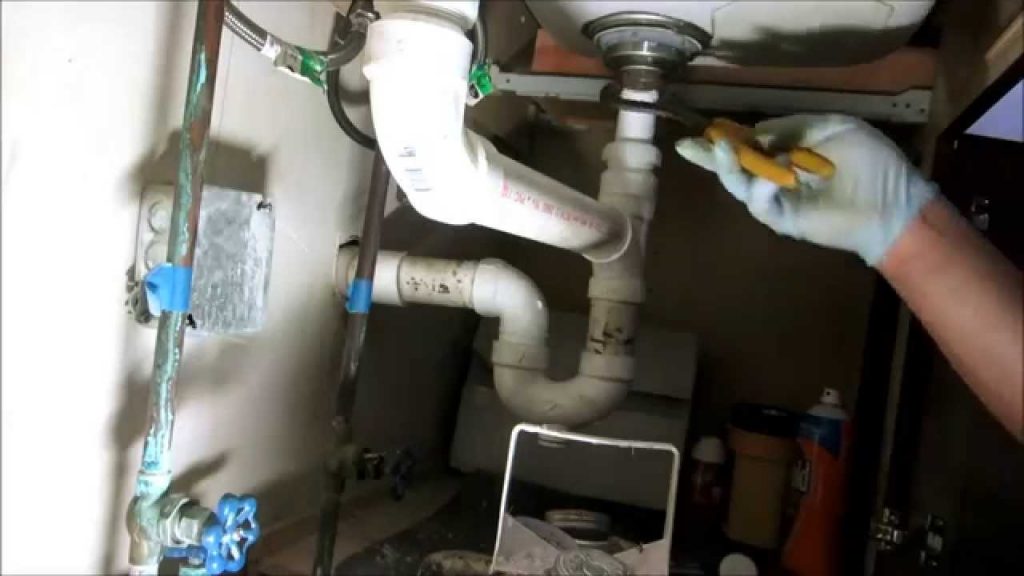
- Cabinets beneath the sink
In Sacramento homes, temperature changes and indoor humidity can slow drying, allowing smells to develop more easily.
How to Keep Your Sink from Smelling (Step-by-Step)
1. Dry Sink Surfaces After Use
Standing water fuels odor-causing growth.
- Wipe the basin, drain edge, and faucet base
- Dry counters and seams where water collects
This simple habit removes the moisture mold needs to grow.
2. Clean the Drain Regularly
Most sink odors start inside the drain.
- Flush with hot water weekly
- Use baking soda followed by vinegar once a month
- Rinse thoroughly to clear residue
This helps prevent buildup that causes musty smells.
3. Improve Ventilation
Poor airflow traps humidity around sinks.
- Run bathroom exhaust fans during and after use
- Open windows when possible
- Avoid overpacking under-sink cabinets
Better airflow helps surfaces dry faster.
4. Clean Sink Fixtures and Seams
Soap scum and residue collect in small crevices.
- Use mild dish soap and warm water weekly
- Scrub faucet bases, drain rims, and caulk lines
- Avoid abrasive cleaners that damage seals
Clean surfaces are less likely to smell.
5. Check for Hidden Moisture
A persistent odor often signals moisture you can’t see.
- Inspect under-sink cabinets monthly
- Look for damp wood, warping, or discoloration
- Check plumbing connections for slow leaks
Even small leaks can cause long-term odor problems.
Sink Odor vs. Mold Growth: What’s the Difference?
| Issue | What You Notice | Common Cause | Best Solution |
|---|---|---|---|
| Musty sink smell | Odor without stains | Drain buildup | Clean and flush drain |
| Surface mold | Visible dark spots | Lingering moisture | Clean and dry surfaces |
| Recurring odor | Smell returns quickly | Hidden moisture | Professional inspection |
Understanding the difference helps you choose the right fix.
Health Considerations
Occasional sink odors are usually minor, but ongoing musty smells can affect indoor air quality. People with allergies or asthma may notice irritation sooner. Addressing moisture early helps prevent broader mold issues in the home.
When to Call PuroClean
If you’ve tried cleaning and drying but can’t keep your sink from smelling, professional help may be necessary. Contact PuroClean if you notice:
- Odors returning within days
- Soft or swollen cabinet materials
- Visible mold under the sink
- Signs of plumbing leaks or water damage
Professional remediation focuses on fixing the moisture source—not just masking the smell.
FAQs: How to Keep Your Sink from Smelling
Why does my sink smell even after cleaning it?
Odors often come from drain buildup or hidden moisture under the sink rather than the basin itself.
Can vinegar stop sink odors permanently?
Vinegar helps remove odor-causing residue, but smells will return if moisture issues remain.
How often should I clean my sink to prevent smells?
Wipe daily, clean weekly, and flush the drain monthly for best results.
Is a moldy sink smell dangerous?
Persistent odors may indicate mold growth, which can affect indoor air quality over time.
Can a slow leak cause sink odors without visible water?
Yes. Even small leaks can create enough moisture to cause musty smells.
Call to Action
If you’re struggling with persistent sink odors or suspect hidden moisture, contact PuroClean in Sacramento, CA at (866) 722-7876 for a professional inspection and long-term solution.
Key Takeaways
- Professional remediation fixes the source, not just the odor
- Knowing how to keep your sink from smelling starts with moisture control
- Most sink odors come from drains and hidden residue
- Daily drying and weekly cleaning prevent most problems
- Poor ventilation can trap odor-causing moisture
- Persistent smells often signal leaks or trapped water