Deciding what to throw away after a house fire starts with food. Food exposed to flames, smoke fumes, or firefighting chemicals should go, even when it looks fine. Many hard goods, some fabrics, and important documents can often be cleaned or restored, but only an inspection can show what is salvageable.
This guide from PuroClean Home Rescue in Rancho Cordova covers the keep-or-discard decisions homeowners face once fire officials allow them back inside. For fire damage at a business, see the commercial restoration services page.
Key Takeaways
Use these points as a quick guide while you sort through your belongings.
- Throw away food exposed to flames, smoke fumes, or firefighting chemicals, and ask a pharmacist before using exposed medicines.
- Canned, jarred, and refrigerated food is not automatically safe, since fumes can get through packaging and refrigerator doors.
- Metal, glass, and ceramic items can often be cleaned if the heat did not crack, warp, or melt them.
- Clothing, papers, and photos are sometimes recoverable, so set them aside rather than throwing them out.
- Make an inventory of damaged items before you throw anything away, and ask your insurance company how your policy applies.
What to Throw Away After a House Fire
Start with food and medicine, but list everything before it goes in the trash. FEMA’s home fire guidance is direct: “Do not throw away any damaged goods until after you make the inventory of your items.” A list with photos can also help when you talk with your insurance company.
Food and Drinks
FoodSafety.gov’s wildfire guidance says to throw away food exposed to flames, smoke fumes, or the chemicals used to fight fires. Sealed packaging is not a safe bet, because chemical fumes can get through it. Throw away:
- Canned goods, jars, and food in plastic packaging that were exposed to smoke fumes.
- Food in the refrigerator or freezer that was exposed to fumes, since the doors are not airtight.
- Any food that came into contact with firefighting chemicals.
If the power was off, refrigerated food may also have warmed into the “Danger Zone” between 40°F and 140°F, where bacteria multiply rapidly. Never taste food to check whether it is safe. When in doubt, throw it out.
Cookware is different. The same guidance says cookware exposed to firefighting chemicals can be decontaminated. Wash it in hot, soapy water, then soak it for 15 minutes in a solution of 1 tablespoon of unscented liquid chlorine bleach per gallon of water.
Medicines
Medicines exposed to heat, smoke, or soot are hard to judge by looking at them. Before taking any exposed prescription or over-the-counter medicine, ask your pharmacist or doctor whether it is still safe to use. They can also help you replace prescriptions, especially medicines you take every day.
What Can Often Be Cleaned After a Fire
Many belongings that look ruined can be cleaned, but no item is guaranteed to be salvageable. The outcome depends on the material, how close the item was to the heat, how heavy the soot is, and how long it sat before cleaning.
Hard Goods
Metal, glass, ceramic, and sealed hard surfaces do not absorb residue the way porous materials do, so soot tends to sit on the surface. That makes them the items most likely to be cleaned successfully. Avoid scrubbing soot yourself, since the wrong product or technique can push it deeper into a surface. Items that are melted, warped, or cracked from heat are usually beyond cleaning.
Clothing and Fabrics
Washable clothing, bedding, and curtains can sometimes be cleaned, depending on the fabric and how much smoke odor it holds. Upholstered furniture and mattresses are harder, because smoke and firefighting water can settle deep into the padding. Padding that stays wet can also grow mold, which may need professional mold remediation.
Documents and Photos
Keep important papers, books, and photos, even if they are scorched or wet. Store them flat in a cool, dry place, and do not pull apart pages or photos that are stuck together. Specialized drying and restoration methods can sometimes recover documents that look lost. If an original cannot be saved, contact the agency or company that issued it about a replacement.
Why You Shouldn’t Decide Alone Before an Inspection
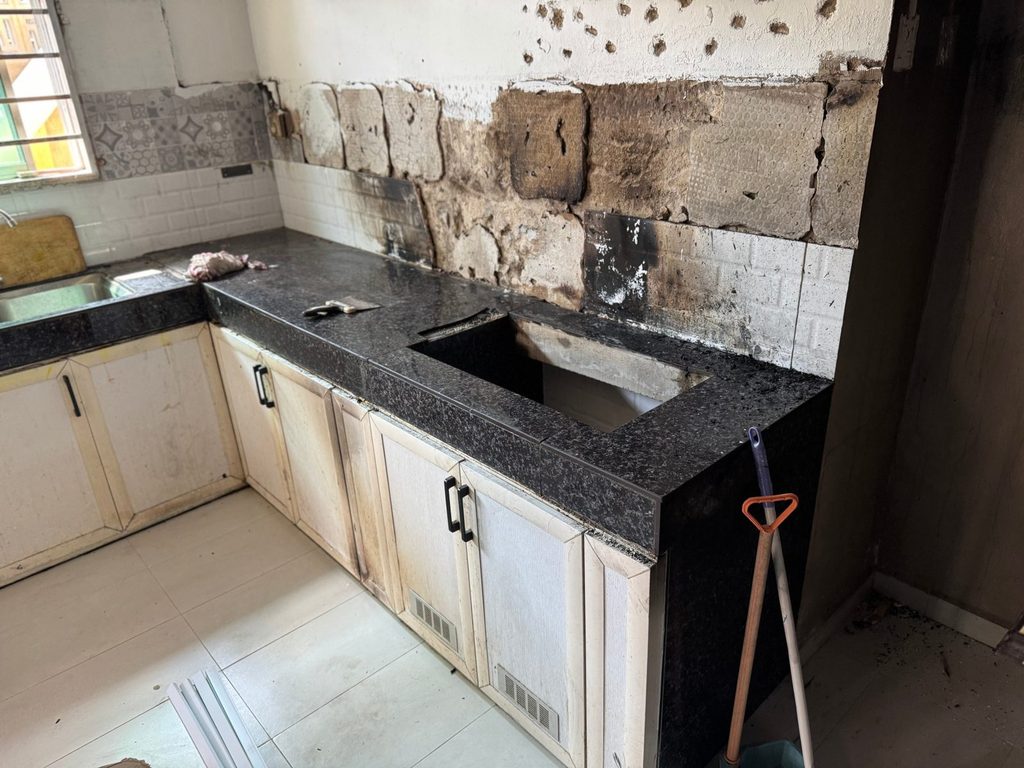
Throwing items away too early can cost you belongings that could have been cleaned. It can also make an insurance claim harder to support. Fire damage is hard to judge by eye, since soot and smoke odor can linger in items that look clean. Firefighting water can also soak into floors, walls, and porous belongings, which may need water damage restoration as well.
Before you throw anything away, work through these steps:
- Wait until fire officials say it is safe to enter. If you smell gas, leave and call 911 or your gas utility. If you see sparking or smell burning, leave and call 911.
- Shut off the power at the breaker if you can reach the panel safely. Leave it off until an electrician or the utility confirms the system is safe, and stay away from damaged wiring.
- Photograph each room and damaged item, and list what you find, before you move or discard anything.
- Ask your insurance company how your policy applies and whether it wants to see damaged items before they are thrown away.
- Sort items into three groups: discard, keep, and unsure. Leave the unsure group for a professional inspection.
Get Help Sorting Fire-Damaged Belongings in Rancho Cordova
PuroClean Home Rescue provides fire and smoke damage restoration for homes in Rancho Cordova, Sacramento, and surrounding communities. Its technicians inspect and inventory affected belongings, evaluate what can be restored, and clean salvageable items through contents cleaning after a fire. Photos and inventories from the project may also help support conversations with your insurance adjuster. Learn more about fire and smoke damage restoration in Sacramento, or contact PuroClean Home Rescue or call (866) 722-7876 to schedule an inspection.
FAQs About What to Throw Away After a Fire
Homeowners sorting through fire-damaged belongings often ask these questions.
Can Smoke Odor Be Removed From Furniture and Belongings?
Sometimes. Hard surfaces usually respond better than upholstery, mattresses, and other porous items, where odor can settle deep inside. Professional deodorization targets the residue that causes the odor rather than masking it. For more on odor, see this guide to removing smoke odors from your home after wildfire season.
Should I Throw Away Electronics After a Fire?
Not right away. Heat, soot, and water can damage parts inside a device that you cannot see. Do not plug in or turn on exposed electronics. Photograph them, set them aside, and have them evaluated before you decide.
What Should I Do With Items Soaked by Firefighting Water?
Photograph them first, then move them to a dry, ventilated area if it is safe to do so. Porous items that stay wet, such as rugs, cushions, and cardboard boxes, can develop mold. If the water mixed with sewage from damaged plumbing, treat those items as contaminated and leave them for professional biohazard cleanup.
Does Homeowners Insurance Cover Belongings Damaged in a Fire?
It depends on your policy and the circumstances of the fire. Ask your insurance company how your policy applies to your belongings, and keep photos, receipts, and a list of damaged items. Some insurance companies may want to see damaged items before they are thrown away.