


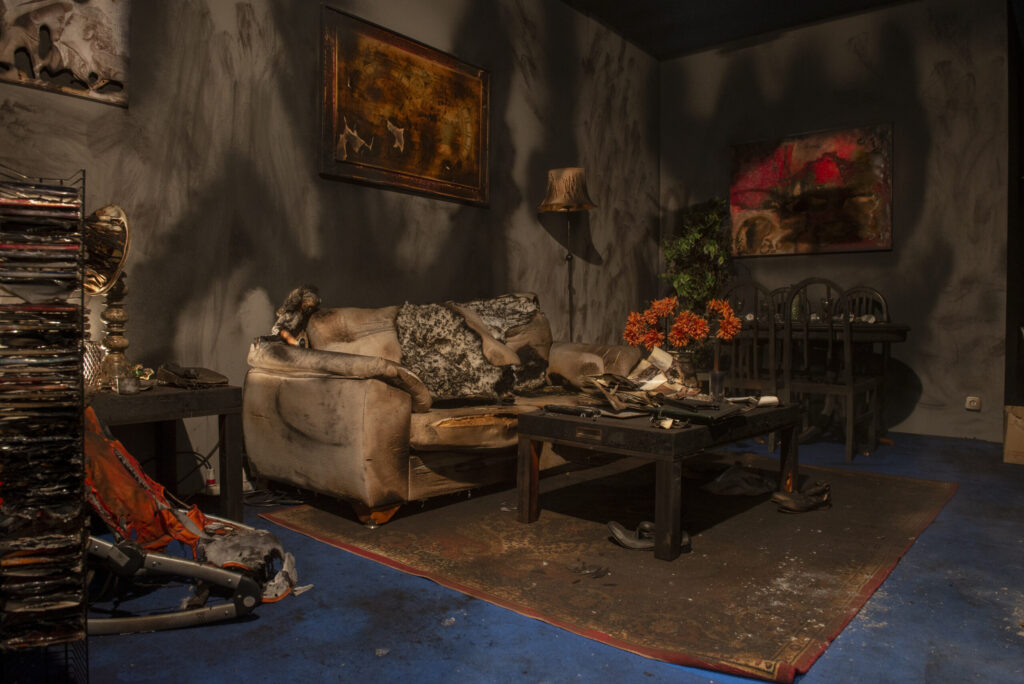
Why Does Fire Damage Continue After the Flames Are Out?
A fire in Rancho Cucamonga does not end when the last flame is extinguished. Heat penetrates wall cavities, leaving hidden gaps that weaken the property’s defenses. Framing loses strength as prolonged exposure causes joints and fasteners to shift. Surfaces such as drywall and cabinetry become porous, creating pathways for smoke infiltration. Once smoke enters these layers, soot begins to settle in places that are not immediately visible.
The effect is a gradual spread of contamination that moves beyond the original burn zone. Acidic residue reacts with metals, paint, and wood, accelerating deterioration across the property. This reaction compromises both structural stability and the appearance of interior finishes. Without professional intervention, the damage continues to expand into unaffected rooms. Fire and smoke damage restoration interrupts this cycle, removing contaminants and restoring the property to safe living conditions.
Smoke residue is acidic, reacting with metals, paints, and wood. This accelerates deterioration, turning a localized fire into a whole‑home contamination issue. Professional fire and smoke damage restoration stabilizes the property, removes these contaminants, and restores safe living conditions.
How Does Smoke Odor Linger Inside a Home?
Smoke particles embed themselves in porous materials such as drywall, upholstery, and flooring. In Rancho Cucamonga’s dry climate, these particles remain dormant until humidity or heat reactivates them. The effect is a recurring odor that surfaces even after basic cleaning.
Restoration teams use HEPA filtration, vapor modification, and controlled fogging to neutralize odor molecules. Without these methods, smoke continues to circulate through the home, affecting indoor air quality long after the fire event.
What Happens to Belongings During Restoration?
Personal items absorb soot quickly, often faster than structural materials. Fabrics, electronics, and wood surfaces discolor and corrode when left in contaminated environments. The effect is permanent damage if belongings are not addressed promptly.
During restoration, salvageable items are cleaned and deodorized using specialized techniques. Items beyond recovery are separated to prevent cross‑contamination. This process protects remaining belongings and prepares the property for reconstruction. Services such as mold removal and remediation and biohazard cleanup may also be required when moisture or contaminated debris affect the property.
Why Do HVAC Systems Require Cleaning After a Fire?
Smoke travels through air ducts faster than through open rooms. Once inside the HVAC system, soot settles along duct walls and circulates each time the system runs. The effect is a continuous spread of contamination into rooms untouched by flames.
Cleaning ductwork removes these particles before they reenter the home. For Rancho Cucamonga properties, this step is critical because seasonal temperature changes cause HVAC systems to run frequently, increasing the risk of recontamination. Proper duct cleaning supports odor removal and restores breathable indoor air.
How Does Structural Damage Affect Recovery?
Fire weakens framing, roofing, and interior supports. When these components lose stability, restoration cannot progress until the structure is safe. The effect is a pause in cleaning while damaged materials are removed and replaced.
This is where reconstruction services become essential. Once debris is cleared and the property stabilized, reconstruction teams rebuild damaged sections, restore framing, and prepare the home for finishing work. Cleaning alone cannot resolve structural concerns created by fire.
Why Is Immediate Response Critical After a Fire?
Damage continues to develop even after flames are extinguished. Soot settles deeper, odors intensify, and moisture from firefighting efforts creates conditions that may require mold removal and remediation. The effect of waiting is a more complex restoration process that impacts both the structure and belongings.
Immediate response limits secondary damage and speeds up recovery. Professional fire and smoke damage restoration addresses contamination at the source, stabilizes the property, and prepares the home for reconstruction.

How Do Restoration Teams Support Rancho Cucamonga Homeowners?
Fire events disrupt daily life, leaving homeowners with structural concerns, damaged belongings, and air quality issues. Restoration teams guide property owners through each stage of recovery, from inspection to final reconstruction. By addressing contamination, structural instability, and odor sources, the process restores safe living conditions and prepares the home for long‑term use.
PuroClean of Fort Mill restores homes affected by fire, smoke, and secondary contamination. Move through the recovery process with a team that values the property, the timeline, and the safety of everyone involved.