When the Water Comes From Uphill
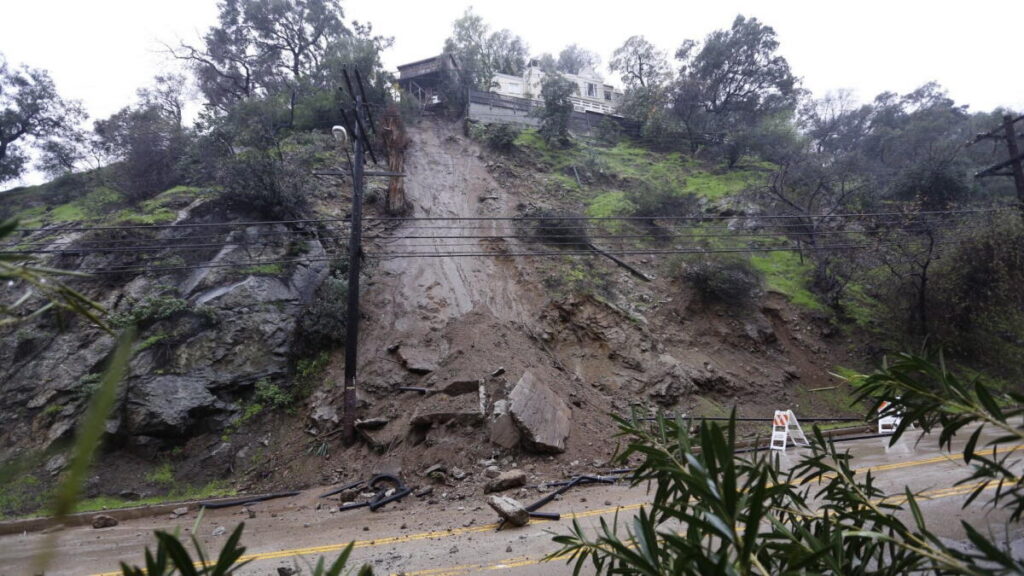
Upland’s northern neighborhoods sit at the base of the San Gabriel Mountains, and the residential streets that climb toward the mountain front along Euclid Avenue, Mountain Avenue, and the canyon access roads north of Foothill Boulevard carry a premium for the views, the cooler air, and the sense of separation from the valley floor that elevation provides. What the listing never fully addresses is what happens to those properties when water comes downhill.
Upland’s canyon-adjacent and hillside homes face a water restoration challenge that flat-lot Inland Empire properties do not encounter: graded lots, retaining walls, drainage channels, and slope-adjacent foundations that are specifically engineered to manage water flowing from higher elevations, and that fail in specific, predictable ways when rainfall volumes exceed what the grading and drainage infrastructure was designed to handle.
During atmospheric river events, which have become a recurring feature of Southern California’s winter weather pattern, the water volumes reaching Upland’s hillside properties from canyon drainages and mountain face runoff can overwhelm engineered drainage systems, overtop retaining walls, and channel directly against and into homes in ways that produce water restoration needs categorically different from a burst pipe or appliance failure.
Upland’s hillside homes are built on lots that were graded to channel water away from structures and toward street drainage. That grading works as designed within the rainfall parameters that governed the original engineering, but Southern California’s recent atmospheric river seasons have repeatedly produced rainfall intensities and durations that exceed historical design parameters.
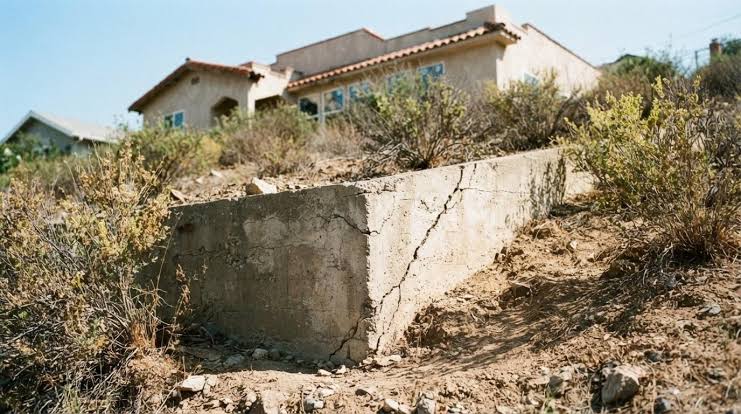
When runoff volume exceeds drainage capacity on a hillside lot, water pools against the uphill side of the structure and begins to find pathways into the building envelope. The specific intrusion points in canyon-adjacent Upland homes include retaining wall cap failures where water overtops and runs against the building foundation, window well flooding on any below-grade or partially below-grade spaces built into the hillside, garage door threshold overflow where the garage is recessed into the slope, and hydrostatic pressure buildup against the uphill foundation wall that forces water through existing cracks and cold joints.
The water restoration challenge in these intrusion events is twofold. First, the water source continues as long as rainfall continues, which means water restoration cannot begin in full until the event concludes and inflow stops. Second, the water that enters a hillside home through foundation and below-grade pathways typically carries sediment, organic material, and in some cases debris from the slope above, which elevates the contamination category of the intrusion and expands the decontamination scope of the water restoration work.
Retaining Wall Drainage Failures and Water Restoration Scope
Upland’s hillside properties frequently include one or more retaining walls that hold the slope above the structure and manage the water that comes off it. These walls typically incorporate weep holes and subsurface drainage systems designed to relieve hydrostatic pressure behind the wall and direct water away from the building foundation.
When retaining wall drainage systems are blocked by debris, root intrusion, or sediment accumulation, the hydrostatic pressure behind the wall builds during rainfall events until either the wall itself is compromised or water finds an alternative pathway around the drainage failure and toward the building. Water restoration events in Upland hillside homes that involve retaining wall drainage failures typically produce more extensive foundation perimeter saturation than rainfall-only intrusion events, because the wall’s subsurface drainage capacity is gone and all water reaching the wall is directed by gravity toward the building foundation.
Our water restoration assessment for hillside Upland properties includes specific evaluation of retaining wall drainage conditions alongside the standard building interior moisture assessment, because the retaining wall drainage status determines whether the water restoration scope includes only the intrusion that occurred or also addresses ongoing risk from drainage infrastructure that is not functioning as designed.
Water Restoration Process for Upland Hillside Properties
- Site assessment confirming the water source has ceased before full interior restoration work begins
- Contamination category determination for intrusion water that carried sediment or organic material from the slope
- Thermal imaging and moisture meter assessment of all foundation perimeter walls, floor assemblies, and any below-grade spaces on the uphill side of the structure
- Decontamination of surfaces where category 2 or higher intrusion water made contact
- Commercial water extraction from all affected floor areas and below-grade spaces
- Controlled demolition of saturated materials along foundation perimeter walls where drying in place is not feasible within acceptable timeframes
- Commercial drying equipment deployment with specific attention to below-grade and foundation wall assemblies that take longer to dry than above-grade wall construction
- Retaining wall drainage assessment documentation for the homeowner and any insurance or contractor follow-up
- Daily moisture monitoring through the full drying cycle with written records at every measurement point
Don’t Wait for the Next Storm to Find Out What Your Drainage Can Handle
If your Upland home sits on a hillside or canyon-adjacent lot and you have not had a professional assessment of how water moves across and through your property during heavy rainfall, that assessment is worth scheduling before the next atmospheric river season begins. And if you are in a water restoration event right now, call PuroClean of Rancho Cucamonga at (909) 481-4399. We serve Upland and all Inland Empire communities around the clock and we understand the specific water restoration needs that hillside and canyon properties present.