The Home That Took Years to Get Right
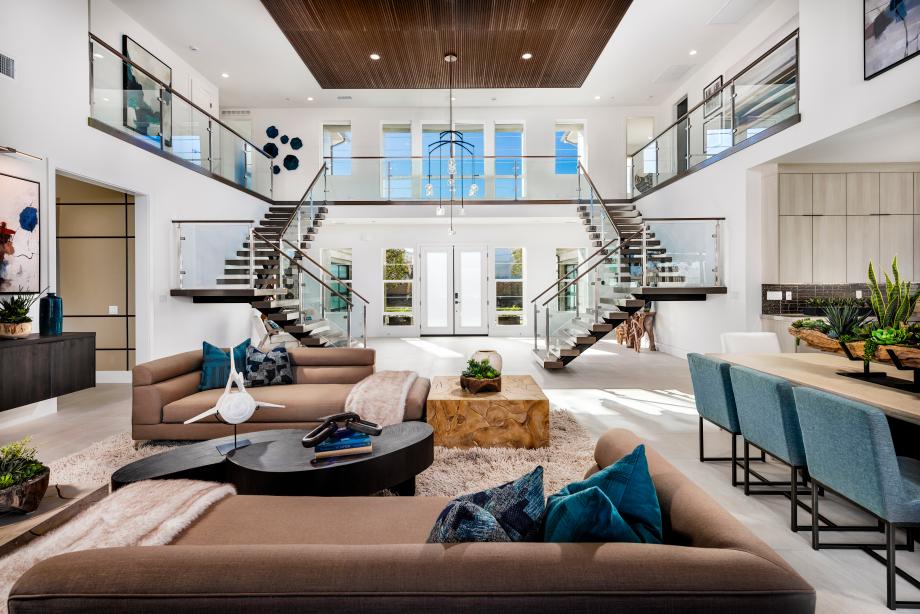
The master-planned communities that developed along the Day Creek corridor, in Etiwanda Estates, and in the newer residential developments on Rancho Cucamonga’s eastern fringe represent some of the highest-investment residential construction in the Inland Empire. These homes were not purchased off the shelf. They were selected for their floor plans, upgraded with builder option packages, and in many cases further customized over years of ownership with hardwood flooring, custom cabinetry, professional-grade appliances, structured wiring for home automation, and the accumulated investments of families who intended to stay.
When fire restoration is required in one of these homes, the stakes are not simply about restoring habitable space. They are about restoring a specific environment that took years of investment to create, and that requires fire restoration expertise calibrated to materials and systems that general restoration approaches do not adequately address.
At PuroClean of Rancho Cucamonga, we serve homeowners in the Day Creek corridor, Etiwanda Estates, and Rancho Cucamonga’s master-planned communities with fire restoration that treats your home’s finishes, custom elements, and technology infrastructure with the specificity they require.
Why Standard Fire Restoration Falls Short in High-Finish Homes
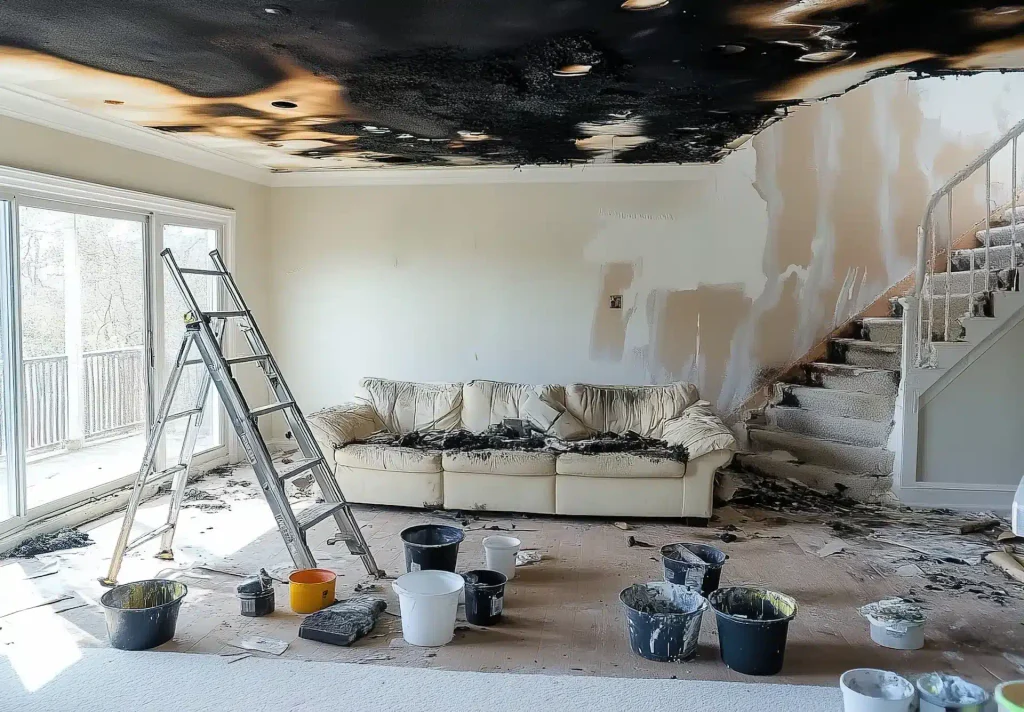
The gap between adequate fire restoration and excellent fire restoration is most visible in homes with high-end custom finishes, and the gap is most consequential in the smoke and soot cleaning phase that follows fire suppression.
Smoke and soot behave differently on different surfaces. The alkaline dry soot from a fast-burning fire deposits on surfaces as a dry powder that smears irreversibly if wiped before it is vacuumed. Protein smoke from a kitchen fire deposits as an oily film that is nearly invisible but carries persistent odor that standard cleaning does not eliminate. The wet smoke from a slow smoldering fire is sticky and penetrating, and it follows porous materials into wood grain and natural stone surfaces in ways that require sequential cleaning protocols to fully address.
A custom kitchen in a Day Creek home may have natural stone counters, painted custom cabinetry with a finish coat that cannot tolerate alkaline cleaning products, hardwood flooring with a factory finish, and professional appliances with stainless surfaces that react differently to smoke residue than standard appliances. Fire restoration that applies the same cleaning protocol to all of these surfaces produces results that restore some surfaces while permanently damaging others. The fire restoration approach that matches cleaning chemistry and technique to each specific surface material is what differentiates professional fire restoration from remediation that creates new damage in the process of addressing the original.
Smart Home and Structured Wiring Recovery After Fire Restoration
Rancho Cucamonga’s newer master-planned community homes are increasingly built with or upgraded to include structured wiring systems, home automation controllers, distributed audio and video systems, smart HVAC controls, security and surveillance systems, and whole-home network infrastructure. These systems represent significant investment and are integral to how the home functions.
Fire events, and particularly the smoke and suppression water that accompany them, affect structured wiring and electronics in ways that are not always immediately apparent. Electronic components that were not in the direct fire area but were exposed to smoke particulate may exhibit immediate failure or may fail within weeks as particulate works into component connectors and circuit boards. Structured wiring in walls adjacent to fire-affected areas may have been damaged by heat conduction through framing without obvious visible indication.
Fire restoration in a home with substantial smart home and structured wiring infrastructure requires an electronics assessment component that identifies which systems are intact, which require cleaning and inspection, and which have been compromised to the extent that replacement is the appropriate outcome. This electronics assessment is part of the fire restoration scope we bring to Rancho Cucamonga’s master-planned community homes, because leaving it out of the initial assessment produces the electronics failure discovery that occurs months after the home is otherwise restored.
Custom Cabinetry and Millwork in Fire Restoration
The custom cabinetry and millwork in Rancho Cucamonga’s higher-end homes represents a fire restoration challenge that stock replacement cannot adequately address. When custom cabinetry sustains smoke and soot damage rather than direct fire damage, the fire restoration question is whether cleaning and restoration can return it to pre-loss condition or whether it must be replaced.
The answer depends on the smoke exposure level, the cabinet finish type, and the construction method of the specific cabinets. Factory-finished frameless cabinetry with a sealed lacquer or conversion varnish finish has better smoke resistance than site-painted cabinetry with a latex finish coat. Inset doors with solid wood faces absorb smoke into the wood grain differently than slab doors with a veneer face. Fire restoration assessment for custom cabinetry requires evaluation by someone who understands finish chemistry and cabinet construction, not a generalist damage assessment.
When restoration is feasible, the fire restoration cleaning sequence for fine cabinetry involves dry soot removal before any wet cleaning begins, pH-appropriate cleaning chemistry for the specific finish type, and inspection of interior cabinet surfaces including shelves and drawer boxes that may have absorbed smoke through gaps in the face frame. When replacement is required, the fire restoration documentation must capture the cabinet specifications with the specificity an insurance claim needs to fund replacement in kind rather than stock replacement that does not match the home’s original investment level.
Fire Restoration Scope for Rancho Cucamonga Master-Planned Community Homes
- Surface-specific smoke and soot cleaning protocols matched to natural stone, hardwood, custom cabinetry, painted surfaces, and specialty finishes rather than a single cleaning approach applied uniformly
- Structured wiring and smart home system assessment identifying intact, restorable, and compromised components
- Custom cabinetry and millwork evaluation distinguishing restorable from replacement scope
- Suppression water extraction and structural drying for areas that received firefighting water
- HEPA air scrubbing and negative air pressure containment during the fire restoration process to prevent smoke residue migration to unaffected areas
- Professional ozone or hydroxyl odor elimination after surface cleaning is complete
- High-definition photo documentation of all custom finishes and built-in elements in their pre- and post-restoration state
- Insurance documentation supporting replacement-in-kind claims for custom elements rather than stock replacement allowances
Your Home Deserves Fire Restoration That Matches What You Built
PuroClean of Rancho Cucamonga serves homeowners throughout the Day Creek corridor, Etiwanda Estates, and all of Rancho Cucamonga’s master-planned communities with fire restoration expertise that respects the investment your home represents. When fire damage affects a home built to a higher standard, the fire restoration needs to meet that same standard. Call (909) 481-4399 immediately after any fire event. We are available 24 hours a day, every day, and we will bring the right expertise for the home you built.