 PuroClean of Rancho Cucamonga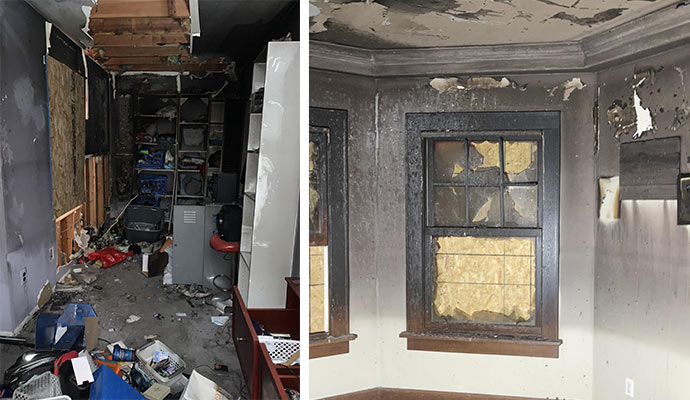
Fire Damage Extends Beyond Burned Materials
When a fire occurs, visible damage often draws immediate attention. Charred walls, damaged furniture, and burned belongings are easy to recognize. However, in many Rancho Cucamonga homes, the most serious fire damage continues long after the flames are extinguished. Smoke residue spreads throughout the structure, soot settles on surfaces far from the fire’s origin, and water used during firefighting introduces widespread moisture.
Fire restoration focuses on addressing all of these elements together. Treating only burned areas leaves behind hidden damage that continues affecting indoor air quality, surfaces, and structural components.
Smoke Travels Through the Entire Structure
Smoke is highly mobile and quickly moves through doorways, wall cavities, attics, and HVAC systems. Even rooms untouched by flames can be heavily affected by smoke residue. These microscopic particles adhere to walls, ceilings, fabrics, and personal belongings, often leaving behind persistent odors and surface damage.
Fire restoration involves identifying how far smoke has traveled and applying specialized cleaning methods to remove residue safely. Without thorough smoke removal, odors and material deterioration continue long after initial cleanup.
Soot Causes Progressive Surface Damage
Soot is acidic and begins damaging surfaces almost immediately after a fire. Painted walls, flooring, appliances, and electronics are particularly vulnerable. If not removed properly, soot can permanently stain surfaces and corrode metals over time.
Fire restoration includes evaluating the type of soot present and using appropriate techniques to prevent further damage. Improper cleaning methods often spread soot or push it deeper into porous materials, making restoration more difficult.
Water From Firefighting Creates Secondary Damage
Water used to extinguish a fire introduces a second layer of damage. Floors, drywall, insulation, and structural framing absorb moisture quickly. In Rancho Cucamonga’s warm climate, this moisture can linger and create conditions that allow additional deterioration and microbial growth.
Fire restoration often includes water extraction and controlled drying to stabilize the structure. Addressing water damage early prevents further complications during the restoration process.

Heat Exposure Weakens Structural Components
Even areas that were not directly burned may have been exposed to intense heat. High temperatures can weaken wood framing, damage fasteners, and compromise electrical wiring insulation. These issues are not always visible but can affect long term safety and performance.
Fire restoration includes assessing heat affected materials to determine whether they remain structurally sound. Addressing these hidden issues early helps ensure repairs are completed safely and effectively.
Fire Restoration Requires a Coordinated Approach
Fire damage rarely affects only one system within a home. Smoke, soot, water, and heat damage must all be addressed together to fully restore the property. Skipping steps or focusing on only one aspect often leads to lingering odors, incomplete repairs, and recurring issues.
A coordinated fire restoration process stabilizes the property and prepares it for rebuilding. For homeowners in Rancho Cucamonga and nearby areas, understanding the scope of fire damage helps guide recovery decisions. If a fire has affected your home and there is uncertainty about what steps are needed next, you can contact us to review the situation, evaluate the extent of damage, and determine how fire restoration can help return the property to a safe condition.


 PuroClean of Rancho Cucamonga