


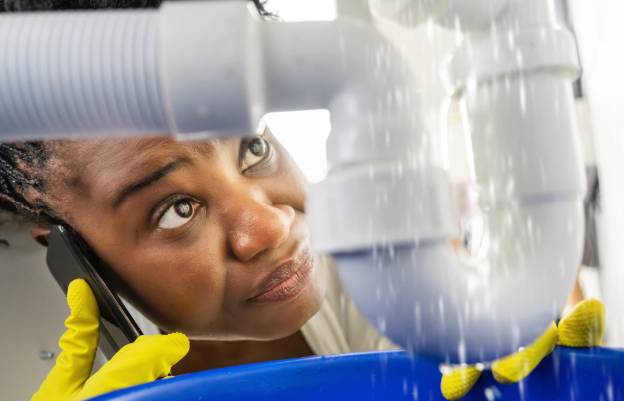
Water damage not only affects the structural integrity of your home but can lead to costly repairs if not addressed promptly. Often, the most damaging water issues remain hidden until they become a significant problem.
In this guide, we’ll explore how to spot hidden damage before it turns into a disaster, ensuring you maintain a safe and sound home environment.
Understanding Hidden Water Damage
Hidden water damage refers to the destruction caused by water that isn’t immediately visible. It can occur behind walls, under floors, or in areas of your home you seldom visit, like attics and basements. Recognizing the signs early can save you from extensive repairs and restoration costs.
Common Causes
- Leaky Pipes: Pipes can corrode and develop leaks over time, especially if they’re old or made from substandard materials.
- Roof Leaks: Damaged or missing shingles can allow water to seep into your home’s structure.
- Poor Drainage: Inadequate drainage systems can lead to water pooling around your home’s foundation.
- Faulty Appliances: Appliances like dishwashers and washing machines can leak, causing hidden damage over time.
Signs of Hidden Water Damage
Being aware of the signs of hidden water damage can help you catch it early. Here are some indicators to look out for:
Discoloration and Stains
Water stains on ceilings, walls, or floors are clear signs of water damage. These stains usually appear as brownish or yellowish marks. If you notice discoloration, investigate further to determine the source of the water.
Mold and Mildew
Mold and mildew thrive in moist environments and can also be a sign. If you notice a musty smell or see mold growth, especially in areas not exposed to water, it could indicate a hidden leak.
Warped or Buckled Floors
Water damage can cause floors to warp or buckle. If your floor feels uneven or shows signs of swelling, it could be due to water damage beneath the surface.
Peeling or Bubbling Paint and Wallpaper
Paint or wallpaper that peels or bubbles is often a result of moisture accumulation. This is a clear sign that water is trapped behind the surface.
Increased Water Bills
A sudden spike in your water bill without increased usage may indicate a hidden leak. Monitoring your water usage can help you detect leaks early.
Conducting a Water Damage Inspection
Regular inspections can help you spot hidden water damage before it escalates. Here are steps to conduct a thorough water damage inspection:
Check High-Risk Areas
Focus on areas prone to water exposure, such as bathrooms, kitchens, basements, and attics. Look for signs of leaks around plumbing fixtures and appliances.
Inspect the Exterior
Examine your roof for damaged shingles and check the gutters for clogs. Ensure that water is draining away from your home’s foundation to prevent water accumulation.
Use Moisture Meters
A moisture meter is a handy tool for detecting hidden water damage. It can measure the moisture content in walls, floors, and ceilings, helping you locate leaks that aren’t visible to the naked eye.
Water Damage Repair and Restoration
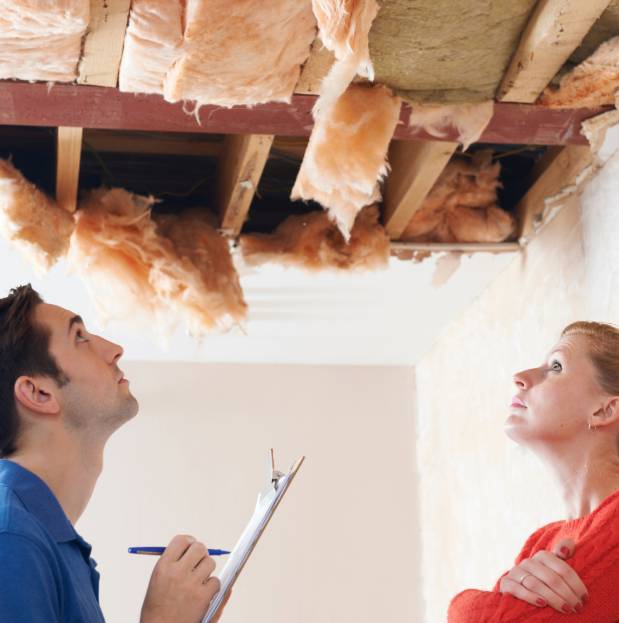
If you discover water damage in your home, it’s important to address it promptly to prevent further issues. Here’s how to handle water damage repair and restoration:
Dry the Area
The first step in water damage repair is to dry the affected area. Use fans, dehumidifiers, and open windows to increase airflow and remove moisture. It’s crucial to act quickly to prevent mold growth.
Repair the Source
Identify and fix the source of the water damage to prevent future issues. This may involve repairing leaky pipes, replacing damaged roofing, or improving drainage systems.
Restore Damaged Areas
Depending on the extent of the damage, you may need to replace drywall, flooring, or other materials. For severe cases, consider hiring a professional water restoration service to ensure the job is done correctly.
Professional Water Restoration Services
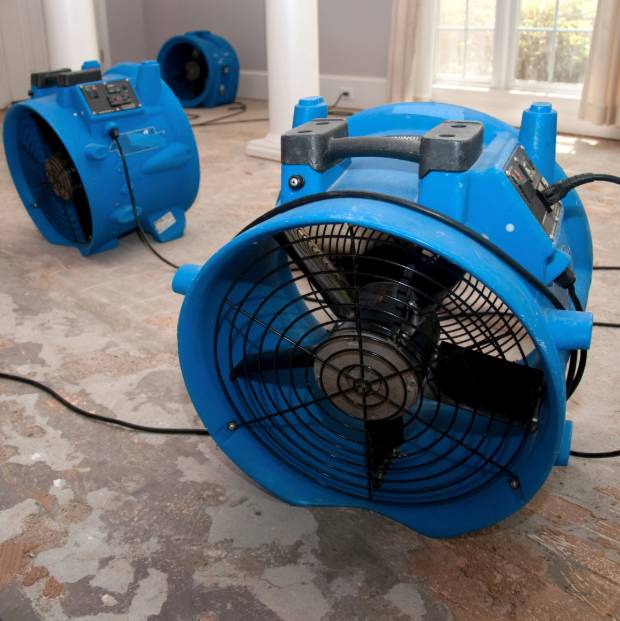
Sometimes, water damage can be extensive and require professional assistance. Water restoration services specialize in repairing and restoring water-damaged areas, ensuring your home is safe and habitable.
Benefits of Hiring Professionals
- Expertise: Professionals have the experience and knowledge to assess and address water damage effectively.
- Equipment: They use specialized equipment to detect and repair damage, ensuring a thorough restoration.
- Time-Saving: Hiring professionals can save you time and effort, allowing you to focus on other priorities.
Preventing Future Water Damage
Preventing water damage is key to maintaining a safe and healthy home. Here are some tips to help you avoid future water damage:
Regular Maintenance
Perform regular maintenance on plumbing systems, roofing, and drainage systems to catch potential issues early.
Install Water Detectors
Water detectors can alert you to leaks early, allowing you to address them before they cause significant damage.
Seal Windows and Doors
Ensure that windows and doors are properly sealed to prevent water from entering your home during storms.
The Importance of Early Intervention
Taking action at the first sign of water damage can make all the difference in minimizing its impact. If left unchecked, hidden water damage can lead to structural weakening, mold growth, and even health hazards due to poor air quality.
Homeowners should act swiftly—whether that means addressing a small leak, drying out a wet area, or contacting a professional water restoration company to assess the damage. The longer water sits, the more difficult and expensive it can become to fix. By addressing problems early, you not only protect your home but prevent future headaches and costly repairs later on.
Conclusion
Spotting hidden water damage early can save you from costly repairs and ensure your home remains a safe and comfortable place to live. By understanding the signs of water damage, conducting regular inspections, and taking preventive measures, you can protect your home from water-related disasters. If you suspect extensive damage, contact our team at PuroClean of Rancho Cucamonga for expert water restoration services.