


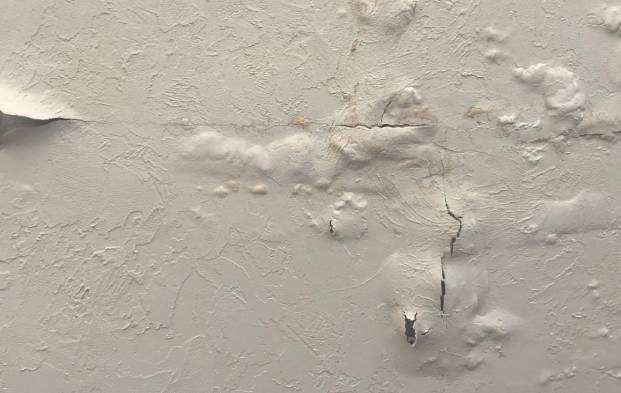
Water damage occurs when unwanted water enters your home, causing gradual destruction. It can stem from leaks, floods, or plumbing issues, leading to structural damage, electrical hazards, and mold growth. Beyond visible harm, it can compromise your home’s safety and value, resulting in costly repairs and higher insurance premiums. Recognizing early signs and understanding their impact helps homeowners take proactive steps to protect their investments.
Common Sources of Water Damage
Before diving into the signs, it’s essential to understand where water damage can originate. Some common sources include:
- Leaking pipes
- Roof leaks
- Faulty appliances
- Clogged gutters
- Poor drainage
- Natural disasters
Leaking pipes are one of the most common culprits, often hidden within walls or beneath floors, going unnoticed until significant damage has occurred. Roof leaks can result from damaged shingles or improper flashing, allowing water to seep into attic spaces and eventually through ceilings. Faulty appliances, such as washing machines and dishwashers, can malfunction and leak water, affecting floors and walls.
Clogged gutters and poor drainage can lead to water pooling around your home’s foundation, increasing the risk of seepage into the basement or lower levels. Natural disasters, including floods and heavy storms, can overwhelm your home’s defenses and cause widespread water intrusion. Understanding these sources allows homeowners to conduct regular inspections and maintain their home’s defenses against water damage.
Signs of Water Damage Behind Walls
Water damage isn’t always obvious. Here are some signs that you might have water damage lurking behind your walls:
1. Discoloration and Stains
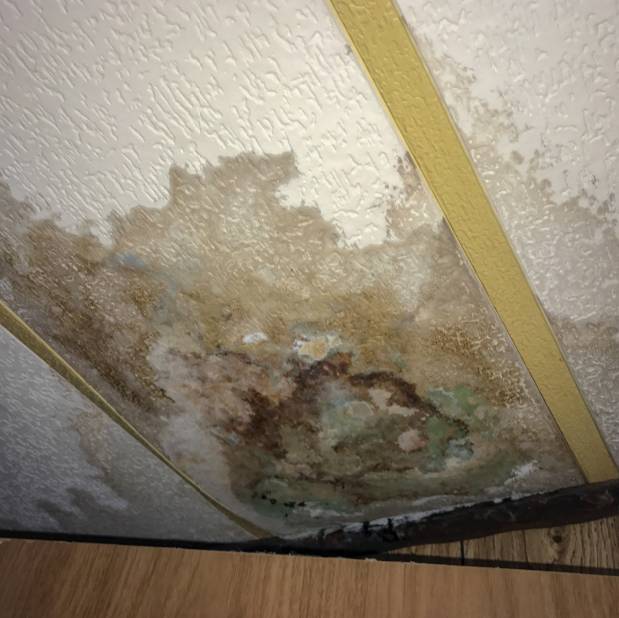
One of the first signs you might notice is discoloration or stains on your walls or ceiling. These spots are typically yellow, brown, or copper-colored and indicate that water has seeped into your walls. Such discoloration often points to a prolonged exposure to moisture, which can weaken wall materials over time. If left unchecked, these stains can expand, indicating a worsening problem that could lead to structural damage.
2. Peeling or Bubbling Paint and Wallpaper
If the paint or wallpaper on your walls starts to peel, bubble, or warp, it’s a strong indication of moisture buildup behind the surface. This happens because the adhesive holding the paint or wallpaper in place becomes compromised by water. Moisture can cause the paint to lose its adhesion, leading to noticeable bubbling or peeling over time.
3. Musty Odors
A persistent musty smell is a telltale sign of mold growth, which thrives in damp conditions. If you notice a musty odor in a particular area of your home, investigate further as it likely indicates water damage. Mold spores can spread rapidly, potentially affecting indoor air quality and posing health risks to your family, especially for those with allergies or respiratory conditions.
4. Soft or Swollen Walls
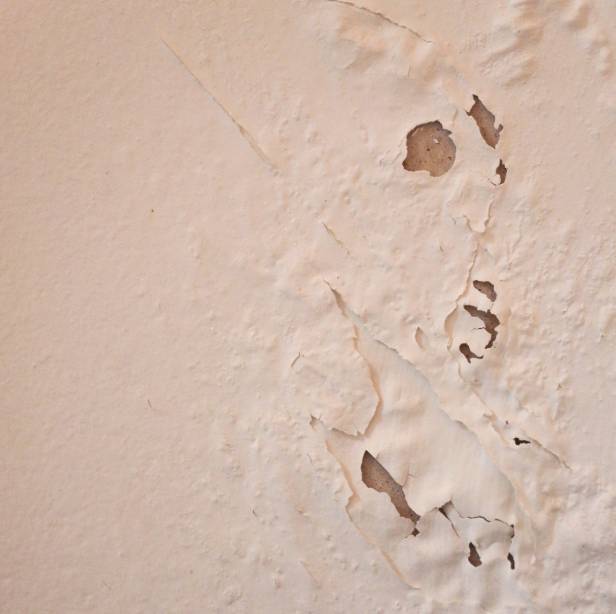
Walls that feel soft to the touch or appear swollen are often suffering from water damage. When drywall absorbs water, it loses its structural integrity, leading to these noticeable changes. Soft spots in drywall can indicate that the material is saturated, which can compromise the strength of the wall and potentially lead to collapse if not addressed.
5. Mold Growth
Visible mold is a clear sign that moisture is present. Mold can appear as black, green, or white patches and can cause health issues if not addressed promptly. If you see mold, contact a water restoration service immediately. Mold can spread quickly, damaging not only the surface it appears on but also potentially affecting other areas of your home.
6. Water Damage on the Ceiling
Water damage signs on ceilings can include dark spots, sagging, or even dripping. These signs can indicate a leak from above, whether from a roof issue or plumbing in an upper floor. Sagging ceilings are particularly concerning, as they suggest significant water accumulation that could lead to a collapse if not addressed.
7. Increased Water Bills
An unexpected increase in your water bill can signal a hidden leak behind your walls. If you notice a spike in your water usage without a clear reason, it’s time to investigate potential leaks. Hidden leaks can waste a significant amount of water, leading to inflated utility bills and environmental impact.
Conducting a thorough inspection of your plumbing system can help identify leaks and prevent further water loss. Addressing these leaks promptly can save you money and prevent potential water damage to your home. Regularly monitoring your water bills for unusual changes can be an effective way to catch leaks early.
What to Do if You Suspect Water Damage
If you suspect water damage, act quickly to minimize the impact. Here’s what you can do:
Step 1: Identify the Source
Try to determine the source of the water. Is it a leaking pipe, a roof leak, or something else? Identifying the source can help you stop the water and prevent further damage. Locating the source might require some investigation, such as checking under sinks, in basements, or examining your roof for visible damage.
Once you’ve identified the source, take immediate steps to stop the water flow, such as shutting off the main water supply or covering roof leaks with tarps.
Step 2: Contact a Water Restoration Professional
Hiring a professional water restoration service is crucial for effectively dealing with water damage. They have the expertise and equipment to identify hidden damage and properly restore your home. Professionals can assess the extent of the damage, provide a detailed restoration plan, and ensure that all affected areas are thoroughly dried and repaired.
Step 3: Remove Damaged Materials
Once the source is identified and addressed, remove any damaged materials such as drywall, insulation, and flooring. This prevents further mold growth and prepares the area for repairs. Removing damaged materials is crucial to eliminate any remaining moisture and prevent future issues.
Step 4: Dry and Dehumidify
It’s important to thoroughly dry and dehumidify the affected area to prevent mold growth. Use fans, dehumidifiers, and ventilation to ensure all moisture is removed. This step is critical in preventing the growth of mold and mildew, which can thrive in damp conditions and cause health problems.
Proper drying might require specialized equipment and techniques to reach all affected areas, including hidden spaces within walls and ceilings. Monitoring humidity levels and ensuring adequate airflow can help maintain a dry environment and prevent future water-related issues.
Preventing Future Water Damage
Taking preventive measures can save you from future headaches. Here are some steps to protect your home:
- Regularly inspect and maintain your roof, gutters, and plumbing.
- Install a sump pump in areas prone to flooding.
- Ensure proper drainage around your home’s foundation.
- Install water detection devices in high-risk areas like basements and near appliances.
Conclusion
Water damage behind your walls can lead to severe structural issues if not addressed promptly. By recognizing the signs early and taking swift action, you can protect your home and save on costly repairs. Remember, when in doubt, contact a professional water restoration service to assess and address the situation effectively.
Water damage is not just an inconvenience; it’s a potential threat to your home’s integrity. Stay vigilant, and don’t hesitate to seek professional help to keep your home safe and sound. Investing time in prevention and maintenance can significantly reduce the risk of water damage, ensuring your home remains a secure and healthy environment for years.
For expert water damage restoration services in Rancho Cucamonga, contact our team at PuroClean of Rancho Cucamonga!