


What ADU Owners and Tenants Need to Know When Water Gets Into a Secondary Unit
California’s ADU legislation has transformed residential properties across Rancho Cucamonga over the past several years. Attached additions, detached backyard structures, garage conversions, and basement units have been constructed or converted throughout the city as homeowners responded to state incentives designed to expand housing supply. The result is a substantial and growing inventory of secondary residential units that carry their own specific water damage clean up vulnerabilities.
ADUs are not simply smaller versions of the primary residence they share a lot with. They were built or converted under different permitting circumstances, they often connect to shared utility systems in ways that create interdependencies with the main house, and they sit within a landlord-tenant relationship that creates specific obligations and documentation requirements when water damage occurs. Water damage clean up in an ADU requires understanding all of these dimensions, not just the physical restoration.
At PuroClean of Rancho Cucamonga, we handle water damage clean up across all property types throughout the Inland Empire. Here is what ADU owners and tenants in Rancho Cucamonga need to know.
Why ADUs Carry Specific Water Damage Clean Up Risk
The water damage clean up vulnerabilities in Rancho Cucamonga’s ADU inventory reflect how these units were built and how they connect to the primary residence infrastructure.
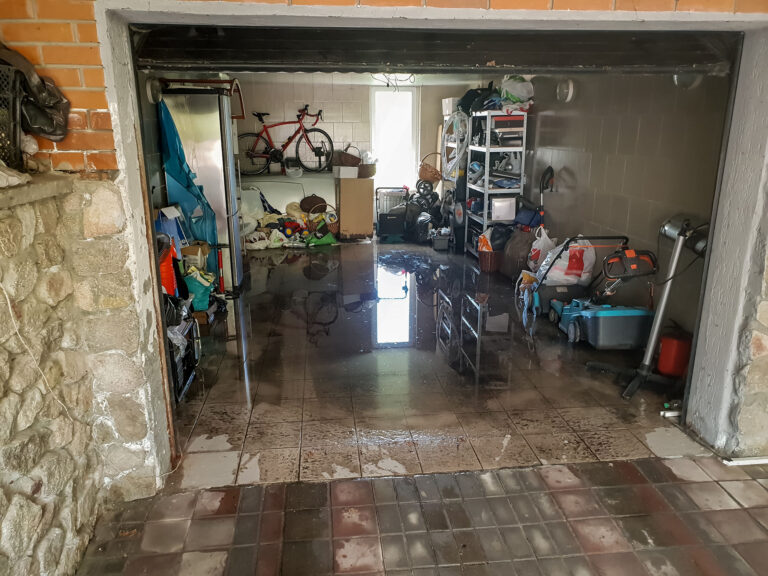
Garage conversions represent the largest category of ADU construction in Rancho Cucamonga and carry water damage risks specific to their original function. Garage slabs were not designed with residential moisture management in mind. They lack the vapor barrier systems that residential slab-on-grade construction requires, and they frequently have floor drains, utility penetrations, and perimeter gaps that allow water entry pathways that a purpose-built residence would not have. Water damage clean up in a converted garage ADU consistently reveals moisture in the slab and perimeter assemblies that the conversion construction did not adequately address.
Detached backyard ADUs share utility connections with the primary residence through supply and drain lines that run beneath the yard between the two structures. These shared utility runs create a specific water damage scenario where a failure in the connecting line affects both the ADU and the primary residence simultaneously, and where clean up cannot be fully addressed in either unit without understanding what is happening in the shared system between them.
Attached ADU additions share at least one wall with the primary residence, meaning that water damage in the ADU wall assembly can migrate into the primary residence structure without crossing any visible boundary. Water damage clean up that addresses only the ADU side of a shared wall while the primary residence side remains saturated produces incomplete results that manifest as mold development on the main house interior weeks after the ADU clean up appears complete.
Fast-tracked ADU construction throughout Rancho Cucamonga produced some units where construction moisture was enclosed inside wall assemblies before adequate drying time elapsed, creating the same elevated baseline moisture risk that we have documented in post-wildfire rebuild properties throughout the Inland Empire.
The Landlord-Tenant Obligation During ADU Water Damage Clean Up
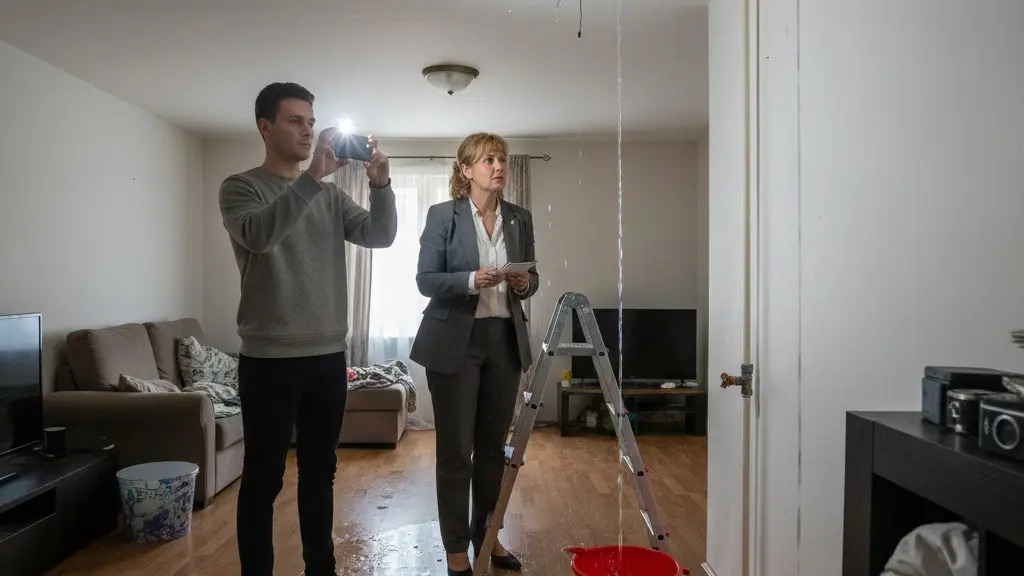
When a water damage event occurs in a rented ADU in Rancho Cucamonga, California’s landlord-tenant law creates specific obligations that shape how and how quickly clean up must proceed.
California Civil Code requires landlords to maintain rental units in a habitable condition. Water damage that compromises habitability, including active moisture intrusion, structural saturation that creates health risk, or mold development resulting from delayed clean up, triggers the landlord’s legal obligation to remediate promptly. Failure to act within a reasonable timeframe gives the tenant specific remedies including rent reduction, repair and deduct rights, and in serious cases, grounds for constructive eviction claims.
For ADU owners managing a tenant relationship alongside a water damage event, professional clean up documentation serves two simultaneous functions. It demonstrates prompt, professional response to the water damage event, supporting the landlord’s legal compliance position. And it provides the written record of what occurred, when clean up began, and what the restoration involved, which protects the landlord against any subsequent tenant claim that the response was inadequate or delayed.
Key documentation elements that protect ADU owner legal compliance position include:
- Response timeline documentation establishing when the water event was discovered and when professional clean up began
- Habitability assessment confirming whether the unit remained habitable during the clean up process or required temporary displacement of the tenant
- Scope of work documentation covering all affected areas and materials with clear description of what was cleaned, dried, and restored
- Clearance verification confirming the unit returned to habitable condition and the specific date that determination was made
- Tenant communication records documenting all notifications and coordination with the tenant throughout the clean up process
Shared Utility System Water Damage: Who Is Responsible for What
Water damage events originating in shared utility systems between a primary residence and an ADU create responsibility questions that the property owner needs to address clearly from the first hour of the clean up response.
When a shared supply line failure affects both the primary residence and the ADU simultaneously, the clean up scope spans both structures and the shared system between them. Insurance documentation for this event needs to accurately characterize the shared system involvement, the damage in each structure, and the relationship between them. A clean up file that documents only the ADU damage while the shared system failure and the primary residence impact are not addressed creates insurance claim gaps that adjusters will identify during the review process.
Our water damage clean up response for Rancho Cucamonga properties with ADUs treats the full property as a connected system, assessing both structures and the shared utility connections between them before any scope decisions are made. This approach ensures that the clean up addresses the complete event rather than the portion that is most visible from the ADU side alone.
What Water Damage Clean Up Covers for a Rancho Cucamonga ADU
Effective water damage clean up for an ADU in Rancho Cucamonga addresses the specific construction characteristics and legal context of these properties:
- Full system assessment covering both the ADU and the primary residence and any shared utility connections involved in the event
- Garage conversion slab assessment using moisture readings at depth to identify vapor drive from the original garage slab beneath the ADU flooring
- Shared wall moisture mapping using thermal imaging to confirm that saturation has not migrated from the ADU assembly into the primary residence structure
- Landlord-tenant compliance documentation structured to support the property owner’s legal obligations under California habitability law
- Habitability determination made as an early step in the clean up assessment, giving the owner clear guidance on whether temporary tenant displacement is necessary
- Tenant communication support providing the property owner with accurate, professional information to share with the affected tenant throughout the process
- Insurance documentation supporting the property damage claim with clear characterization of shared system involvement where applicable
- Clearance verification with written confirmation of the date the unit returned to habitable condition
A Practical Note for Rancho Cucamonga ADU Owners
The rapid pace of ADU construction across Rancho Cucamonga over the past several years has created a large inventory of units that have never experienced a significant water event. For many ADU owners, a water damage clean up situation is the first time they discover the specific vulnerabilities of their unit’s construction and the specific obligations of their landlord role.
The most useful preparation an ADU owner can make before a water event occurs is understanding the shared utility connections between the primary residence and the ADU, knowing where the main water shut-off for the ADU is located, and having a professional restoration company identified before an emergency makes the search urgent.
For additional context on how water damage clean up decisions affect the total restoration cost and insurance claim outcome, our blog on Costs of Delayed Water Damage Repairs makes the practical case for prompt professional response in any water damage situation, including ADU events where landlord legal obligations add additional urgency to an already time-sensitive response.
Your ADU Is an Investment Worth Protecting Properly
An ADU represents a significant financial investment and, for many Rancho Cucamonga homeowners, a meaningful source of rental income that contributes to mortgage affordability. Water damage clean up that is thorough, documented, and legally compliant protects that investment on every dimension, from the physical structure to the tenant relationship to the insurance claim outcome.
PuroClean of Rancho Cucamonga serves ADU owners, primary residence homeowners, and all residential and commercial property types throughout Rancho Cucamonga, Ontario, Fontana, Upland, Claremont, and across San Bernardino and western Riverside counties around the clock. For additional context on how our moisture mapping process identifies the full scope of water damage in complex residential configurations including ADUs and shared wall assemblies, our blog on The Role of Residential Moisture Mapping in Water Damage Restoration explains exactly how thermal imaging establishes the true picture that visual inspection misses.
When water damage affects your ADU, call (909) 481-4399 immediately. We will assess the full property system, establish the habitability status, produce the documentation your insurance carrier and your tenant relationship require, and complete the clean up to a standard that genuinely protects your investment.