


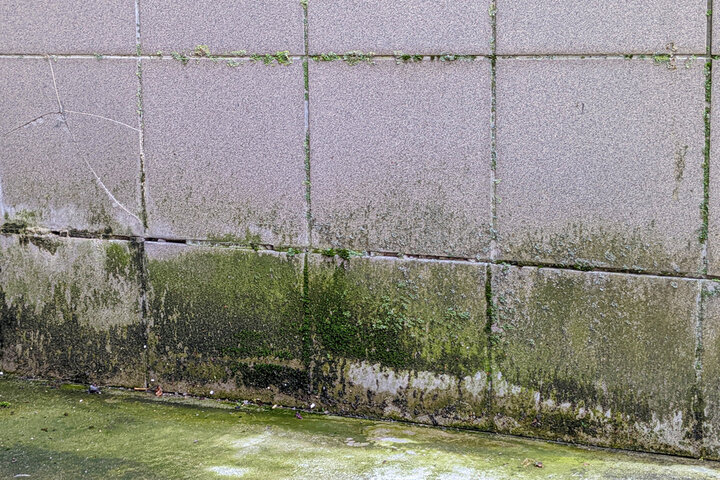
Water damage is a homeowner’s nuisance, and many of us have faced this foe at some point. Whether it’s a small discolored area or a full-blown structural nightmare, water can wreak havoc in our beloved homes.
If you suspect your Rancho Cucamonga home has suffered unwanted water damage, assessing the damage’s age is crucial in deciding how to fix it. Addressing new leaks or floods differently than longstanding issues can make all the difference in correcting the problem efficiently and effectively. Even the most minor moisture mishap can snowball into a significant problem later.
To help you stay high and dry in your home, we’ve compiled a guide on identifying the telltale signs of fresh versus old water damage. We’ll cover the potential culprits, the differences between old and new water damage, and how to tackle each obstacle between you and a safe, dry living space. With this info in hand, you’ll be equipped to take on those moisture dilemmas effectively.
What is Water Damage?
Water damage refers to any damage to a property or its contents due to water intrusion. When water makes its way indoors, leaks, floods, burst pipes, and heavy rainfall are to blame. Consistent standing water can also lead to damage. It can affect multiple surfaces and materials, including walls, floors, ceilings, furniture, and electronic equipment.
Water damage can be classified into three categories:
- Category 1 refers to clean water that does not pose a health risk to humans. Water from a broken supply line or a malfunctioning appliance is grouped in this category.
- Category 2 refers to gray water containing contaminants that may cause illness if ingested. This may include water from washing machines, dishwashers, or toilet overflows.
- Category 3 refers to black water containing highly contaminated and hazardous materials, such as sewage, and can cause severe illness or death if ingested. Floodwaters or water from sewage backups are classified in this category.
Identifying Causes of Water Damage in Rancho Cucamonga
Because of its many ways to inflict structural damage, water damage is one of the most common and destructive issues homeowners and property managers encounter. It can also result in serious health hazards if left untreated. How to tell if water damage is new or old is a concern that homeowners and property managers should address amidst this challenge. There are several potential causes of damage, including leaks, floods, and humidity, that homeowners and property managers should keep in mind.
- Plumbing Issues. The most common cause of water damage is plumbing issues. Leaky pipes, broken water lines, or faulty appliances like water heaters, washing machines, and dishwashers may malfunction and cause water-related problems. A small leak can lead to significant water damage if left untreated, as water can seep into the walls and floors, leading to mold growth and compromising a property’s structural integrity.
- Natural Disasters. Natural disasters like hurricanes, floods, and heavy rainfall can cause severe damage. Heavy rains can lead to flooding, and hurricanes often bring storm surges, which can impact property. Additionally, floodwaters contain harmful contaminants and pollutants that are unsafe for human health.
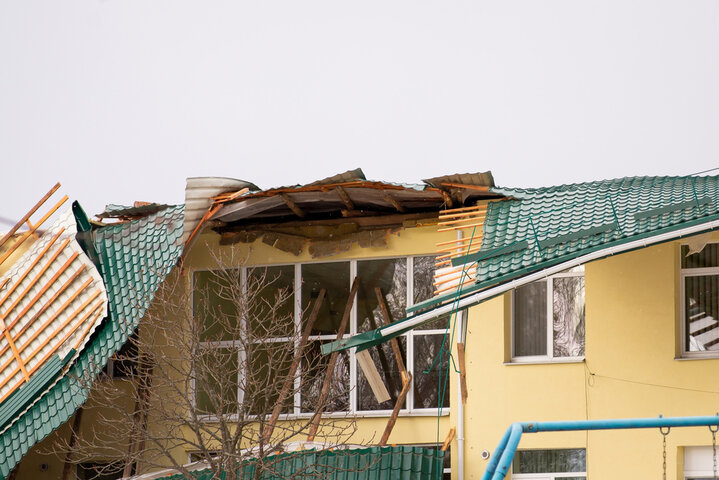
- Faulty Roofing. Roof leaks are another common cause of water damage. If your roof has missing or broken shingles or tiles or the flashing around the chimney needs repair, water can seep into the attic and affect ceilings, walls, and floors.
- HVAC Systems. Heating, ventilating, and air-conditioning (HVAC) systems, such as cooling units and heaters, are another cause. When they aren’t functioning correctly, a unit’s condensation line can get clogged, causing water to flow into the property. A leaking or broken heater in an attic or basement can be especially concerning since the water damage directly impacts the property’s interior.
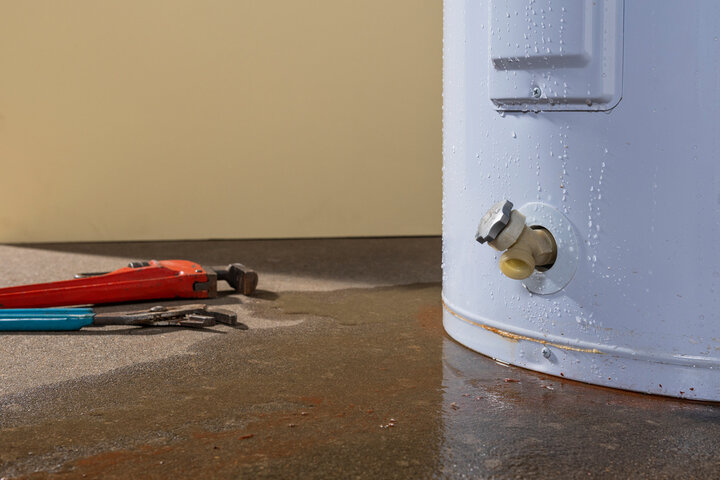
- Appliance Malfunction. Malfunctioning appliances like refrigerators and freezers can become waterlogged. Water lines connecting to these appliances can leak or break, damaging the floors and walls.
- Clogged Gutters. When gutters become clogged, they can’t sustain the weight of the water they’re supposed to collect. The overflow can spill onto the roof and damage ceilings, walls, and flooring.
- Human Error. We aren’t always perfect. Forgetting to turn off a faucet or stepping out of the bathroom when filling your tub can potentially lead to a disaster.
By being aware of the potential causes and taking preventative measures, homeowners and property managers can minimize their risk of experiencing a disaster. Regular maintenance ensures that all plumbing systems function correctly and that HVAC units are well-maintained. It is important to know how to tell if water damage is new or old in case of an emergency.
How to Tell if Water Damage Is New or Old in Rancho Cucamonga
It’s often difficult to pinpoint water damage, especially if it’s older and has had time to dry. One of the most critical steps in dealing with it is determining its age. Here are some tips on how to tell if it is new or old.
Analyzing Your Rancho Cucamonga’s House History and Its Building Materials
Different types of materials will interact with water damage in varying ways. For instance, thick paint and tiles trap water more efficiently than thin ones. Even the slightest amount of water can impact these materials immediately.
Knowing what comprises your home is helpful because water affects certain building materials differently. For instance, if your property contains tile, brick, or another hard substance, and they’re showing signs of water damage, chances are the damage has been there for a while.
Conducting a Comprehensive Mold Inspection in Rancho Cucamonga
Mold growth can increase in areas that have been affected by water damage. If mold grows in an area damaged by water, water damage is likely old. However, if you see water damage but no mold, it could be a sign that the damage is new.
Identifying mold on the target spot means that the damage is at least two or three days old and didn’t just happen overnight. You won’t want to touch it now; instead, call a professional mold remediation company to determine if it may have spread elsewhere.
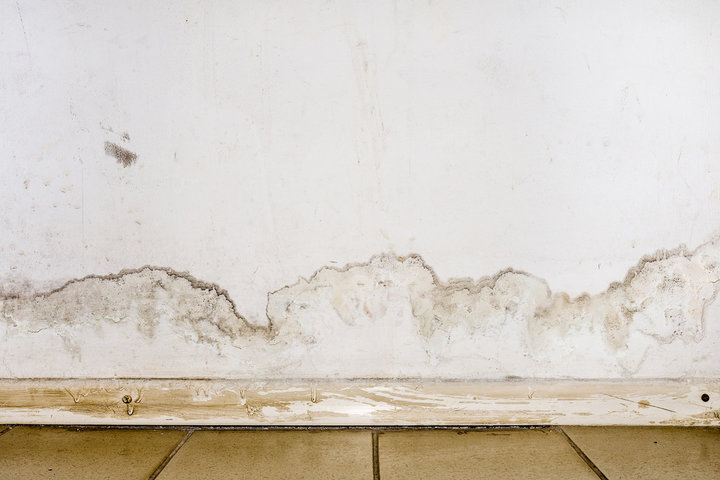
Check for Water Rings and Water Stains
A dark spot or stain on the ceiling or walls indicates freshness, while older water damage can develop rings on the wall or ceiling. The more rings there are, the older the damage is. As the circles change colors, it can indicate whether the water is wet, dry, or has been there for a long time. Rings occur most often when the water leak is occasional, such as a spot beneath a roof leak that only gets wet when it rains.
Look for Warping
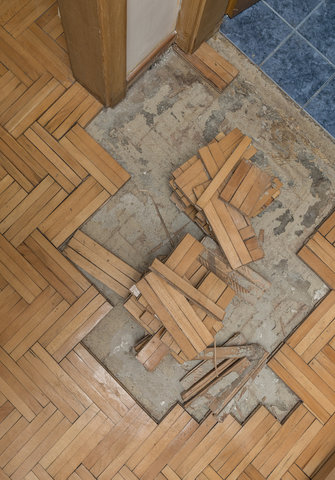
Water can cause materials to warp, swell, or buckle. If you’re wondering how to tell if the damage is new or old, pay attention to the state of your wooden floors, walls, or ceiling. If these surfaces have started to look misshapen, the damage is likely old.
New water damage may not have had enough time to cause warping, so the damage may be recent if everything appears in good condition. This visual cue can help you gauge the timeline of the damage and make informed decisions about necessary repairs or interventions.
Smell for Musty Odors
Water damage can sometimes emit a distinct odor that lingers in the air. If you perceive a musty smell in an area that suffered moisture issues, the damage is likely old. However, if there is no unpleasant odor, it could mean that the damage is recent.
Identifying Rust Presence
Water causes metal objects to degrade over time. If you spot any traces of rust on metals in an area damaged by water, the water damage is likely old. Moisture that has recently occurred may not have had enough time to cause rusting.

Touch to Determine Softness
Water causes materials to become soft or mushy. The water damage is likely new if a wall or ceiling feels soft to the touch. The water damage may be old if everything feels firm and in good condition. Older water damage will create a squishy and mushy feel.
Examine for Watermarks and Decay
Watermarks can be a good indicator of whether water damage is new or old. Fresh water damage will likely have a noticeable watermark that is still wet. Old water damage may have a watermark, but it will probably be dry and faded. Signs of decay often mean that your property has been exposed to water for a prolonged period. Typically, decay only happens in extreme situations such as flooding. When you notice decay, do not delay taking action.
When determining how to tell if water damage is new or old, examine the affected materials and look for signs of discoloration, mold, warping, musty odors, rust, softness, and watermarks, and you can get a good idea of how long the water damage has been there. Because of its property and health risks, contacting a professional water damage restoration company ensures they will resolve the issue immediately and efficiently.
Frustrated with Water Damage on Your Property? Give PuroClean of Rancho Cucamonga a Ring!
When water damage strikes your Rancho Cucamonga property, you need a team you can count on to make it right. That’s where our experts at PuroClean of Rancho Cucamonga come in. Our certified technicians have built a reputation as our community’s most reliable, professional, and experienced water damage restoration experts. We have the skills and resources to quickly assess, contain, and remediate water damage from any source. Trust our dedicated professionals to restore your residence to its pre-loss condition with minimal disruption. Call us today at (909) 481-4399.