When the Source of Your Water Damage Is Not Inside Your Unit
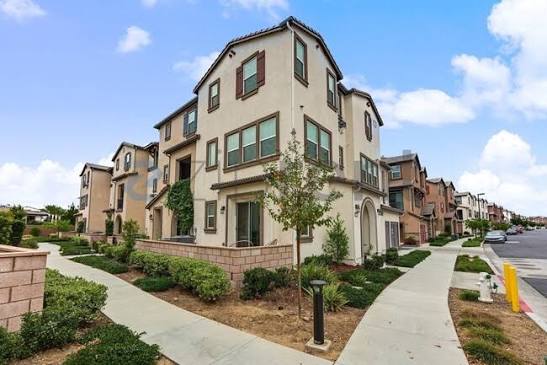
Fontana’s residential landscape includes large stretches of attached townhome communities that developed alongside the city’s industrial and logistics expansion over the past two decades. These communities sit within close proximity to the warehousing, distribution, and manufacturing operations that made Fontana one of the fastest-growing employment centers in the Inland Empire, and they attract residents who want accessible, lower-maintenance ownership close to work and the I-10 and I-15 corridors.
The property damage profile of a townhome in an attached community is fundamentally different from that of a detached single-family home, and nowhere is that difference more consequential than in water damage events. When water damage occurs in a townhome, the source may be in your unit, in an adjacent unit, in the shared building envelope above or below you, or in the common area infrastructure the HOA is responsible for. Identifying which it is determines who is responsible for the remediation cost, what your insurance covers, and how quickly you can compel action from the parties who share the building with you.
This guide is written for Fontana townhome owners who are navigating water damage in a shared building environment and need to understand what professional water damage response looks like when the situation is more complicated than a single-unit event.
The Shared Wall Problem in Fontana Townhome Water Damage
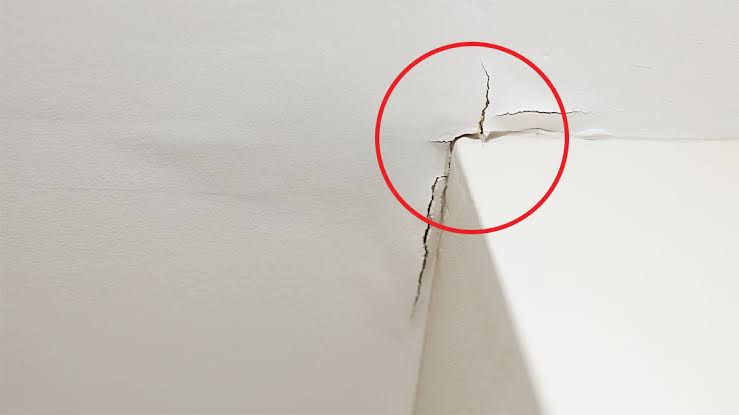
Shared walls in attached townhome construction are the primary pathway through which water damage migrates from one unit to another without the receiving unit’s owner being initially aware. A plumbing supply line failure in the unit adjacent to yours runs water into the shared wall cavity. From there, moisture moves laterally through the wall assembly, saturating the insulation and framing on your side of the wall. By the time visible water intrusion appears in your unit, the shared wall cavity has typically been saturated for hours.
The California building code requires that water damage in a common wall be addressed by both parties whose units are affected, but HOA governing documents vary significantly in how they allocate responsibility between the unit owner whose plumbing failed and the HOA’s master policy for damage to shared structural components. Fontana townhome owners who discover water damage originating from a neighboring unit frequently encounter a dispute between the neighboring owner’s insurance, the HOA master policy, and their own policy about whose coverage applies to which component of the damage.
Professional water damage documentation that clearly identifies where the moisture entered the wall, where it traveled, and what materials in your unit were affected is the factual foundation on which any insurance allocation dispute is resolved. A moisture assessment that produces written readings at every measurement point, thermal imaging showing the extent of saturation, and a clear scope of the damage within your unit gives your insurance company and your attorney, if needed, the evidence to support your position.
Common Sources of Water Damage in Fontana Townhome Communities
Water damage in Fontana’s attached townhome communities arrives through several consistent pathways that differ from detached single-family home water damage sources.
Upstairs unit plumbing failures: In two and three-story townhomes, plumbing supply lines, toilet supply connections, and washing machine supply hoses in upper-floor units are among the most frequent sources of water damage to lower-floor units. A slow toilet supply line drip in the unit above yours saturates the floor assembly between units over weeks before the ceiling in your unit shows any sign. By then the structural cavity is significantly saturated.
Roof and building envelope failures in common areas: Flat or low-slope roof sections over attached garage areas and end-unit roof transitions are common water intrusion points in Fontana townhome construction. When the HOA defers roof maintenance, the first water damage tends to appear in the units beneath the affected roof sections, and the unit owner bears the initial impact of damage caused by a building component the HOA is responsible for maintaining.
Irrigation system oversaturation near foundation perimeters: Many Fontana townhome communities have HOA-managed landscaping and irrigation systems running along building perimeters. Over-irrigation or irrigation system failures that saturate the soil against the building foundation create hydrostatic pressure that drives moisture through slab perimeter gaps and foundation wall penetrations into ground-floor units.
Water Damage Documentation for HOA Disputes in Fontana
The HOA dispute that follows a water damage event in a Fontana townhome community is often more protracted than the water damage restoration itself, and the outcome frequently turns on the quality of the professional documentation produced at the time of the event.
Our water damage assessment for Fontana townhome situations includes documentation specifically designed for the shared-building context: moisture readings on both sides of shared walls, thermal imaging showing the full extent of saturation across the building section, a clear identification of the originating source and the migration pathway, and a written scope of damage within each affected unit. This documentation supports your own insurance claim, supports any claim against the neighboring unit owner’s policy, and establishes your position in any HOA dispute about building envelope responsibility.
The Water Damage Restoration Process in an Attached Townhome
- Moisture assessment covering your full unit including shared walls, floor assemblies, and any ceiling areas below upper-unit plumbing
- Source identification confirming whether the originating failure is within your unit, in the shared building structure, or in an adjacent unit
- Coordination with HOA property management to confirm access to affected common areas and shared building components if required
- Water extraction from all affected areas within your unit using commercial extraction equipment
- Controlled removal of saturated drywall, insulation, and flooring materials that cannot be dried in place within acceptable timeframes
- Commercial drying equipment placement calibrated for the specific wall and floor assembly configurations in attached construction
- Daily moisture monitoring with written logs throughout the drying cycle
- Complete documentation package supporting insurance claims and any HOA or neighboring owner dispute
Your Water Damage Should Not Become Your Problem Alone
PuroClean of Rancho Cucamonga responds to water damage calls throughout Fontana and the Inland Empire 24 hours a day, 7 days a week. When water damage hits your Fontana townhome from a source that may not be your responsibility, the professional documentation we produce is what protects your position through the insurance and HOA process. Call (909) 481-4399 the moment you discover water damage. The sooner the assessment begins, the cleaner the documentation and the stronger your claim.