



Knowing what to do in the immediate aftermath of water damage can make all the difference in minimizing the effects and restoring your home to its former glory. Having a clear plan not only eases the stress but also ensures a more efficient and effective response. In this guide, we’ll walk you through the critical first steps to take after water damage strikes.
Time is of the essence when dealing with water damage. The longer water sits, the more damage it can cause. It can lead to structural issues, mold growth, and the ruin of personal belongings. Beyond the visible damage, standing water can seep into unseen crevices, fostering mold and weakening the foundation of your home.
Prompt action can prevent further damage and reduce the cost and time needed for restoration. Quick responses not only save money but also preserve the sentimental value of irreplaceable personal items.
Assessing the Situation
Before you jump into action, assess the situation safely. Determine the source of the water and whether it’s safe to enter the affected area. If the water is from a clean source like a broken pipe, it may be safe to begin cleanup.
However, if the water is contaminated, such as sewage, it’s best to wait for professionals. It is important to assess the water’s category, as greywater and blackwater require different handling due to health risks. Recognizing these distinctions early can prevent health hazards and guide your restoration efforts more effectively.
Ensuring Safety First
Safety should be your top priority. Turn off the electricity to the affected areas to prevent electrical hazards. Water and electricity are a dangerous combination, and taking this step can prevent serious injuries.
Wear protective gear such as rubber boots and gloves, especially if the water is contaminated. If you’re unsure about the safety of the structure, it’s best to wait for professionals to assess the situation.
The First Steps to Take

Stop the Water Source
The first step is to stop the water from causing further damage. This might mean shutting off the main water supply or fixing a broken pipe. Identifying and halting the source quickly can significantly limit the extent of the damage.
If the water is coming from outside due to flooding, try to block entry points with sandbags or other barriers. In situations where the water source is unclear, consult with a professional to prevent future occurrences.
Create a Damage Report
Before you start cleaning up, document the damage for insurance purposes. Take photos and videos of the affected areas and any damaged items. This documentation will be crucial when filing a claim with your insurance company. It helps ensure that you receive fair compensation for your losses. Include close-ups and wide-angle shots to capture the full extent of the damage, and make a written inventory of affected items for a comprehensive record.
Call Your Insurance Company
Contact your insurance company as soon as possible. They can guide you on the next steps and send an adjuster to assess the damage. Early communication can expedite the claims process and get you the help you need sooner. Keep records of all communications and follow their instructions carefully. Be sure to ask specific questions about what your policy covers and any documentation they require.
Water Extraction
Once the situation is safe, begin the water extraction process. Use buckets, mops, and towels to remove as much water as possible. Quick removal of water is crucial to prevent mold growth and further structural damage. You may also need to rent a wet/dry vacuum to help with this process.
The goal is to remove standing water and reduce humidity levels. Consider using dehumidifiers and fans to speed up the drying process, especially in basements and other low-ventilation areas.
Remove Damaged Items
Remove any wet or damaged items from the area. This includes furniture, carpets, and personal belongings. Prompt removal can prevent further damage and mold growth. Be sure to document everything before disposal. Some items may be salvageable with professional cleaning, so keep that in mind. Separate items that can be restored from those beyond repair to streamline your cleanup efforts.
Engaging a Water Damage Restoration Service
Why Professional Help is Essential
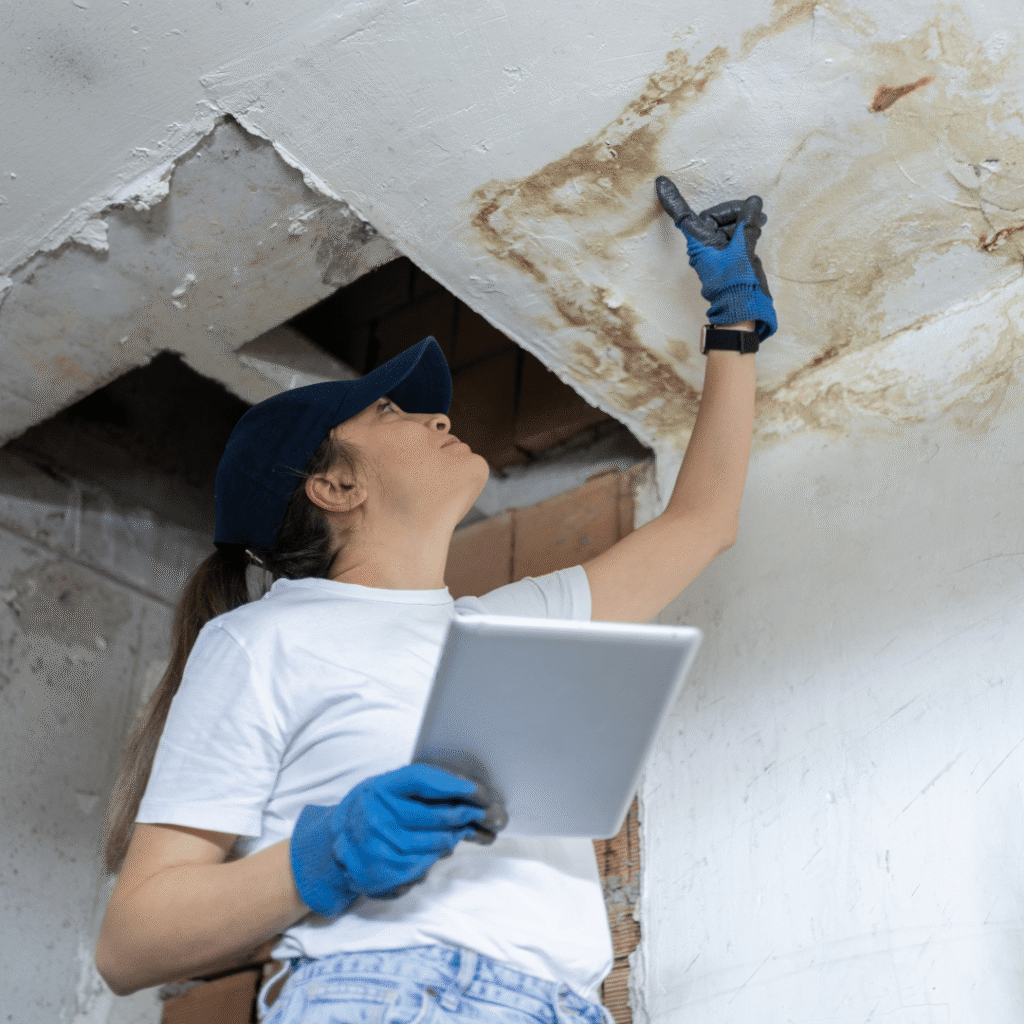
While DIY methods can help, a professional water damage restoration service is often necessary for a thorough job. They have the expertise, equipment, and experience to handle the situation effectively. Professionals can also identify hidden damage that might be missed by an untrained eye. Their skills can save time and money in the long run by preventing recurring issues.
What to Expect from a Restoration Service
Professional services typically include water extraction, drying, dehumidification, cleaning, and sanitizing. These steps are essential in ensuring a complete restoration. They will also assess the structural integrity of your home and check for mold growth.
This comprehensive approach ensures that all damage is addressed and prevents future issues. Expect clear communication and a detailed plan of action from a reputable company, outlining each stage of the restoration process.
Choosing the Right Service
Not all water restoration services are the same. When selecting a company, consider their experience, reputation, and certifications. Look for companies with positive reviews and a proven track record in handling similar cases. Ask for references and ensure they have the proper licenses and insurance. A reputable company will provide a detailed plan and estimate before starting work. Don’t hesitate to get multiple quotes to compare services and costs, ensuring you choose the best option for your needs.
Preventing Future Water Damage
Regular Maintenance
Regular maintenance can help prevent future water damage. Inspect your home for potential issues such as leaks, cracks, and drainage problems. Regular checks can catch small problems before they become major headaches.
Address these issues promptly to avoid larger problems down the line. Keeping gutters clean and ensuring proper drainage away from the foundation are simple yet effective preventative measures.
Install Preventive Measures
Consider installing preventive measures such as sump pumps, backflow valves, and water alarms. These can provide early warnings and help mitigate damage in the event of a water issue. Investing in these systems can offer peace of mind and significantly reduce the impact of potential water damage. Regularly test these systems to ensure they are functioning correctly, especially before the rainy season or expected storms.
Educate Your Family
Ensure everyone in your household knows what to do in the event of water damage. Create a plan that includes shutting off the water supply, contacting emergency services, and documenting damage. Regular drills can help ensure everyone is prepared. Educating your family not only ensures safety but also helps in a coordinated and efficient response during an emergency. Encourage your family to stay informed about weather alerts and water-related risks in your area.
Conclusion
Water damage can be devastating, but taking the right steps immediately can help mitigate the damage and speed up the restoration process. Remember to act quickly, prioritize safety, and engage professional help when necessary. By staying informed and prepared, you can protect your home and belongings from future water-related disasters. For emergency water restoration services in Rancho Cucamonga, contact our team at PuroClean of Rancho Cucamonga today!