


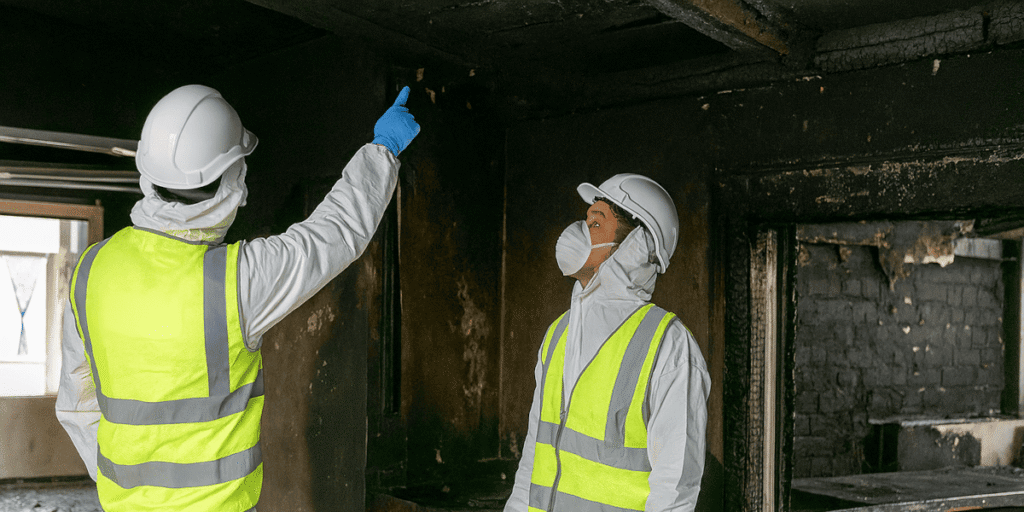
The flames may be out, but the damage is still progressing. In my experience, the chemical reactions triggered by soot and firefighting water don’t stop once the fire department leaves. What we found was that metal surfaces begin to pit and corrode within hours, and porous materials like drywall permanently absorb smoke odors if fire restoration isn’t initiated immediately.
What is fire restoration?
Fire restoration is the systematic process of cleaning and repairing a property after it has suffered damage from heat, smoke, and water. This involves structural stabilization, debris removal, soot decontamination, and advanced odor neutralization to make the building safe for occupancy again.
The Science of Soot and Residue
What we found was that different types of fires require vastly different cleaning protocols. A “dry fire” fueled by wood produces a powdery soot that is easier to vacuum, whereas a “wet fire” involving plastics or rubber creates a smeary, acidic residue. Professional fire restoration uses chemical sponges and specialized surfactants to lift these layers without driving them deeper into the building’s substrate.

Navigating 2026 California Fire Codes
Restoring a building in Rancho Cucamonga in 2026 means adhering to updated standards like the 2025 California Fire Code. For commercial owners, this often triggers requirements for Hazard Mitigation Analysis (HMA) if your facility uses modern energy storage systems. I have seen projects stall because a contractor didn’t realize that “minor” repairs now trigger mandatory fire alarm or sprinkler coordination under the latest local ordinances.
How long does fire restoration take?
The typical fire restoration project takes anywhere from one week for minor smoke damage to several months for major structural rebuilds. The timeline is largely determined by the depth of soot penetration into the HVAC system and the complexity of the required building permits.
Timeline Milestones
- Emergency Phase (24 to 48 hours): Board,up, tarping, and initial water extraction.
- Mitigation Phase (3 to 7 days): Deep cleaning of soot and high,tech deodorization.
- Structural Repair (2 weeks to 3+ months): Permitting, framing, electrical work, and final finishes.
Is fire restoration covered by insurance?
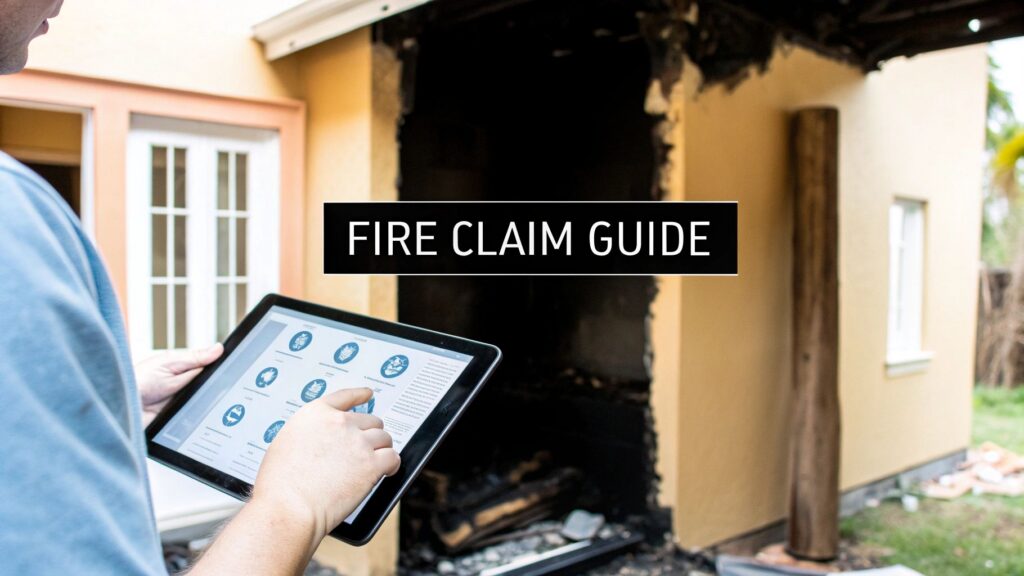
Most commercial and residential policies cover fire restoration, including the costs of “loss of use” or “business interruption.” However, coverage often depends on your ability to prove the extent of the smoke and soot migration into areas far from the source of the heat.
Expert Documentation Strategies
In my experience, a claim is only as strong as its documentation. We use thermal imaging and particulate testing to map out exactly how far smoke particles traveled. This data helps your insurance adjuster see that fire restoration is necessary even in rooms that “look” fine to the naked eye.
Expert Tips: Dos and Don’ts After a Fire
- Do Change Your HVAC Filter: Running your air system with a soot,clogged filter will contaminate your entire duct network.
- Don’t Wipe the Walls: Using common household cleaners on soot often results in permanent “ghosting” stains that paint cannot cover.
- Do Discard Open Food: Smoke can penetrate plastic wrap and cardboard, making food items toxic even if they weren’t near the heat.
- Don’t Turn on Electronics: Soot is conductive and can cause a short circuit or “arc” inside your expensive computers or appliances.
Common Myths about Fire Restoration
- Myth: The smell will fade with time. Without molecular neutralization, smoke odors can linger for years, particularly when the weather gets humid.
- Myth: All fire-damaged items are a loss. We can often save high,value items like electronics, documents, and heirlooms using ultrasonic cleaning or specialized freeze,drying.
- Myth: Fire restoration is just about cleaning. In reality, it involves mechanical engineering, structural integrity checks, and air quality testing to ensure the building is truly safe.
Key Takeaways
- Immediate Mitigation: Stopping corrosion early saves tens of thousands in replacement costs.
- Code Expertise: 2026 Rancho Cucamonga regulations require specialized knowledge of fire safety systems.
- Odor Control: Professional-grade thermal fogging is the only way to permanently remove smoke smells.
- Insurance Liaison: Detailed documentation is the key to a successful and fast insurance claim.
Contact PuroClean of Rancho Cucamonga
When your property is damaged by fire, every second counts. Our certified team provides expert fire restoration services to help you rebuild your home or business with confidence.