


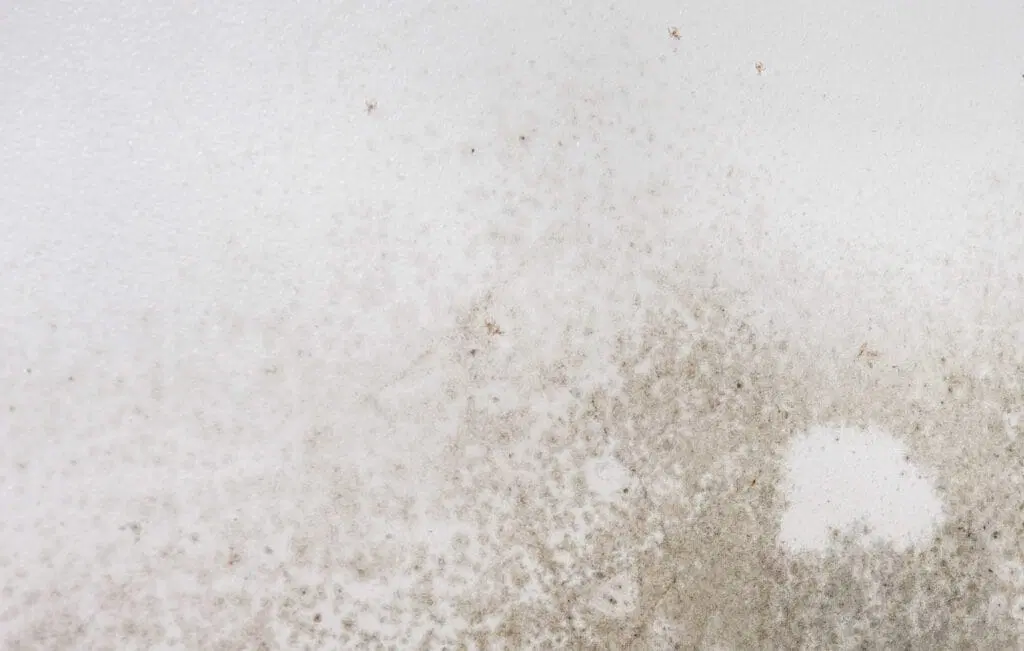
Mold Often Develops Without Visible Warning Signs
Mold problems in Rancho Cucamonga homes rarely begin with obvious surface growth. In many cases, mold develops quietly behind walls, beneath flooring, or inside attic and crawl spaces where moisture accumulates unnoticed. Homeowners often become aware of an issue only after smelling persistent musty odors or experiencing unexplained indoor air discomfort.
Mold removal addresses contamination that has already taken hold beneath the surface. Because mold thrives in enclosed, damp environments, it can spread extensively before becoming visible. Understanding how mold develops helps explain why professional removal is often necessary even when visible growth appears limited.
Dry Climate Does Not Eliminate Mold Risk
There is a common misconception that dry climates prevent mold growth. While Rancho Cucamonga experiences lower average humidity than coastal regions, indoor environments can still support mold development. Air conditioning systems, plumbing leaks, roof penetrations, and condensation create localized moisture that allows mold to thrive regardless of outdoor conditions.
Mold removal in Inland Empire homes often involves addressing moisture created by HVAC systems. Condensation around vents, ductwork, and air handlers introduces enough moisture to activate mold spores inside walls and ceilings.
Hidden Leaks Feed Mold Growth Over Time
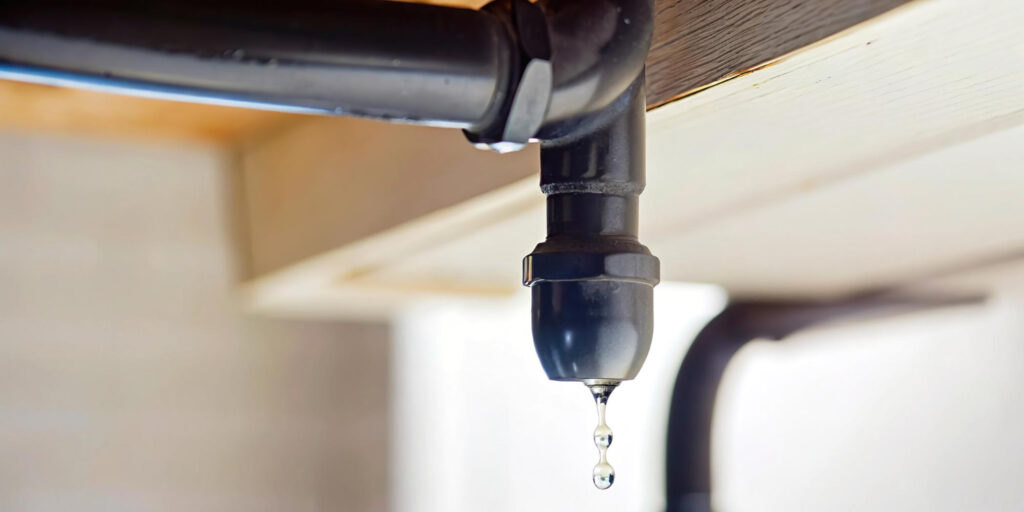
Small plumbing leaks are one of the most common contributors to mold problems. Slow leaks beneath sinks, behind toilets, or inside walls may go unnoticed for weeks or months. During that time, moisture continues feeding mold growth, allowing contamination to spread gradually.
Mold removal often reveals damage that developed long before symptoms appeared. Addressing both the mold and the underlying leak is essential to prevent recurrence and protect building materials.
Mold Spreads Through Air Movement
Mold reproduces by releasing microscopic spores into the air. These spores move easily through ventilation systems, hallways, and open spaces. Normal household activity can carry spores from one area of the home to another, increasing the spread of contamination.
Mold removal includes containment measures designed to prevent spores from migrating during cleanup. Isolating affected areas helps protect the rest of the home and improves the effectiveness of removal efforts.
Surface Cleaning Does Not Remove Mold Completely
Cleaning visible mold with household products may improve appearance temporarily, but it does not eliminate mold embedded within porous materials. Drywall, wood framing, insulation, and carpeting allow mold roots to penetrate deeply. Without removing affected materials and correcting moisture sources, mold often returns.
Professional mold removal focuses on eliminating contamination at its source. This approach reduces the risk of recurrence and restores indoor air quality more effectively than surface cleaning alone.
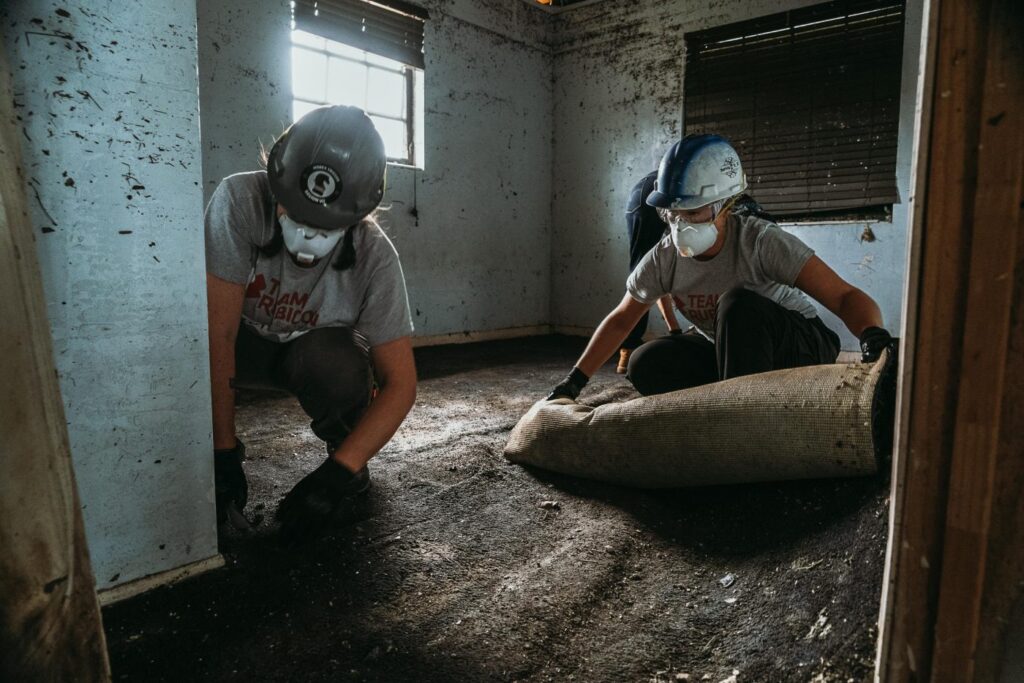
Mold Removal Helps Protect Indoor Air Quality
Mold affects more than the structure itself. Spores and fragments released into the air can affect comfort and air quality throughout the home. Over time, prolonged exposure may cause persistent odors and respiratory irritation.
Mold removal restores indoor environments by eliminating contamination and addressing moisture conditions that allow mold to thrive. In Rancho Cucamonga homes, where indoor air circulation often remains consistent year round, removing mold helps create a healthier living space.
Early Action Limits Damage and Disruption
The longer mold remains untreated, the further it spreads and the more materials become affected. Early mold removal reduces the amount of material that must be removed and shortens recovery time. Acting early also limits disruption to daily life and reduces restoration costs.
For homeowners in Rancho Cucamonga and surrounding areas, recognizing the early signs of mold and understanding how removal works helps guide timely decisions. If persistent odors, moisture concerns, or suspected mold growth are present, you can contact us to evaluate conditions, identify moisture sources, and determine whether mold removal is needed to restore a safe indoor environment.