


Table of Contents
Pests are not just a nuisance; they can be destructive intruders that compromise the structural integrity of homes and businesses. From termites silently eating away at wooden foundations to rodents chewing on electrical wiring, pest infestations often result in costly property damage. Understanding how pests cause property damage, recognizing the signs of an infestation, and knowing how to restore affected areas are crucial for property owners.
Common Pests That Cause Property Damage
1. Termites
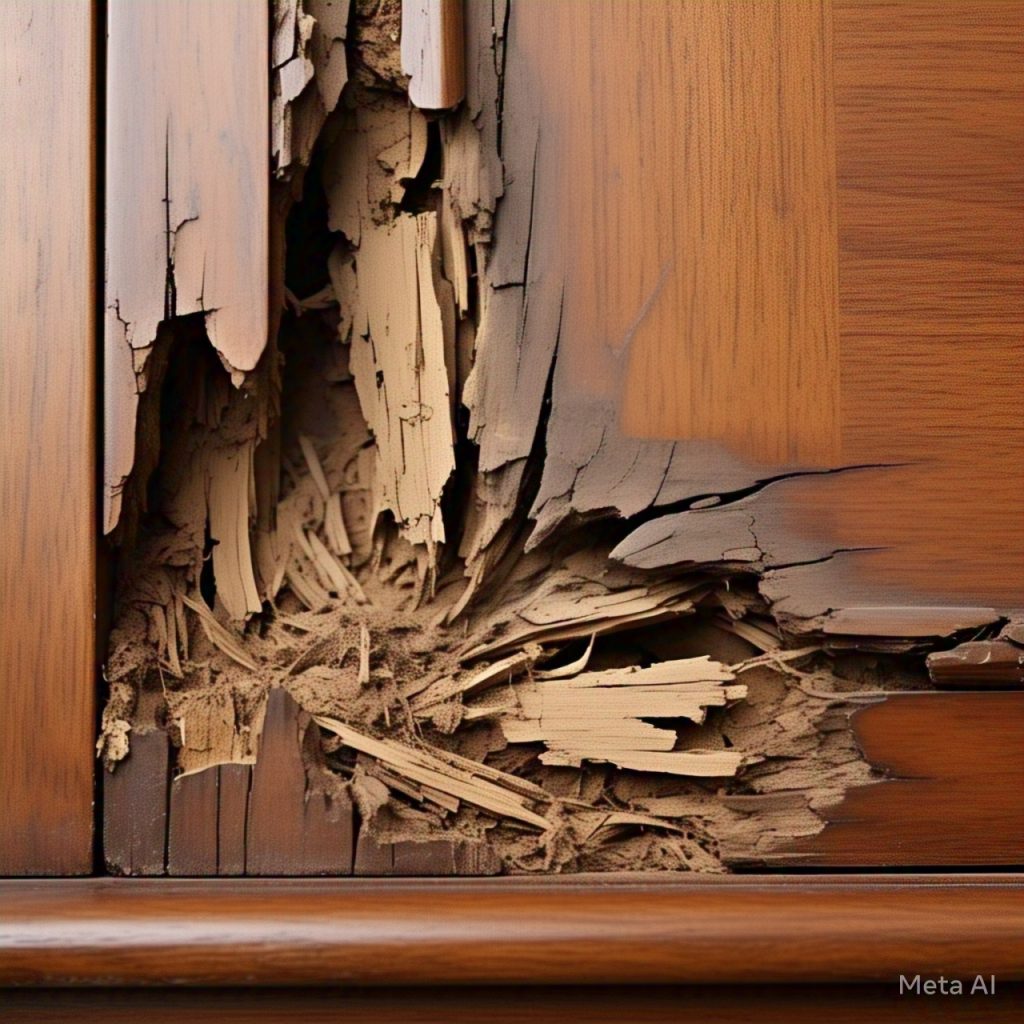
Termites are among the most destructive pests, responsible for billions of dollars in damage annually. These insects feed on wood and cellulose-based materials, weakening foundations, floors, and walls.
Signs of Termite Damage:
- Hollow-sounding wood
- Mud tubes on walls or foundations
- Discarded termite wings
- Sagging floors or ceilings
2. Rodents (Mice and Rats)
Rodents not only cause physical damage but also pose significant health risks. They chew through insulation, drywall, and electrical wiring, increasing the risk of fires.
Signs of Rodent Damage:
- Gnaw marks on furniture, wiring, and walls
- Droppings and urine stains
- Nesting materials in attics and crawl spaces
- Unusual scratching noises in walls
3. Carpenter Ants
Unlike termites, carpenter ants do not eat wood but tunnel through it to create nests. Over time, their activity weakens wooden structures.
Signs of Carpenter Ant Damage:
- Sawdust-like wood shavings near walls
- Rustling noises inside walls
- Presence of large black or red ants
- Weakened wood that crumbles easily
4. Cockroaches
Cockroaches contribute to property damage by contaminating food, staining surfaces, and producing allergens that impact indoor air quality.
Signs of Cockroach Damage:
- Dark, irregular stains and droppings
- Egg casings in crevices
- Musty odor in infested areas
- Visible cockroaches at night
5. Birds and Bats
Nesting birds and bats can cause significant damage to rooftops, attics, and ventilation systems. Their droppings are acidic and can corrode building materials over time.
Signs of Bird or Bat Infestation:
- Nesting materials in eaves or chimneys
- Droppings accumulating around the property
- Unusual noises in the attic
- Staining on walls and ceilings from droppings
How Pests Contribute to Structural Damage
Pests damage properties in various ways, including:
1. Weakening Wooden Structures
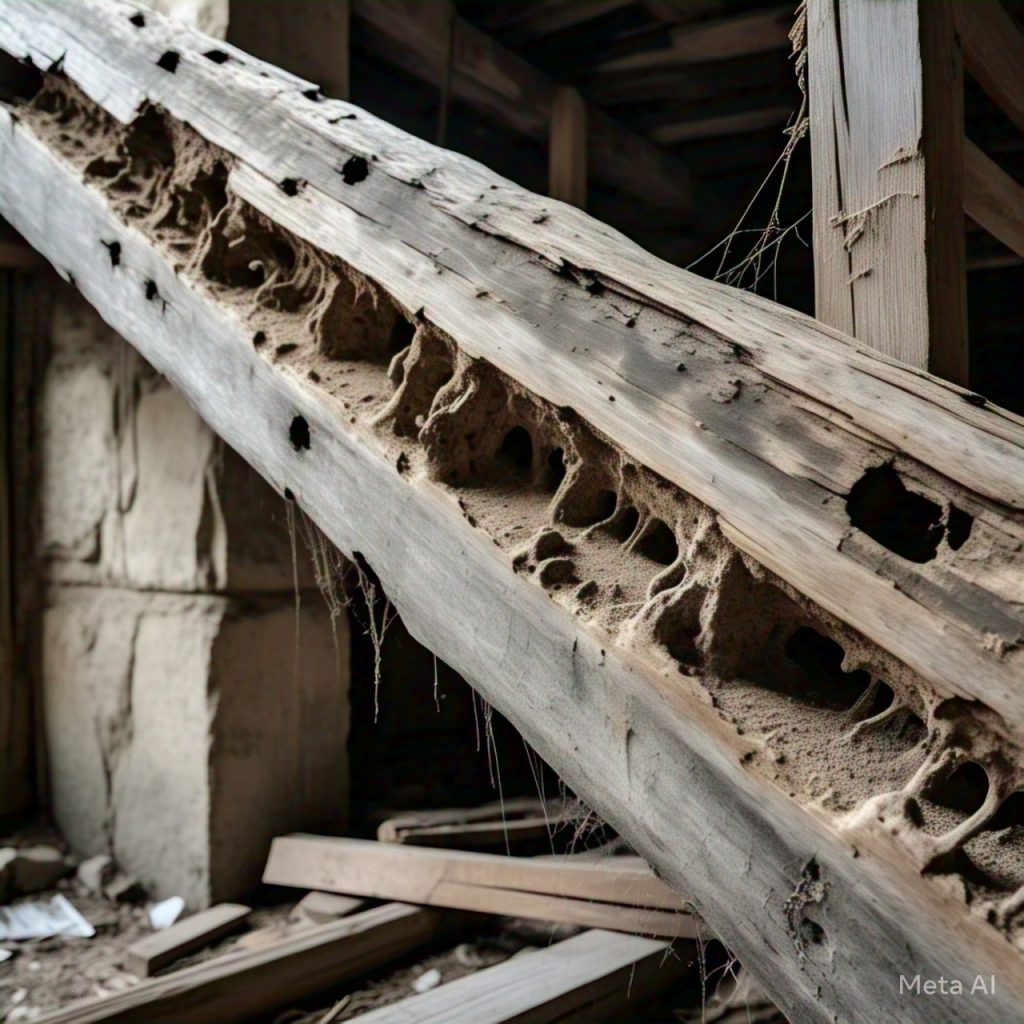
Pests like termites, carpenter ants, and beetles compromise wooden components of homes, leading to instability in floors, walls, and roofing. Over time, untreated infestations can result in collapse.
2. Electrical Hazards
Rodents are notorious for chewing on electrical wiring, stripping insulation and exposing wires. This significantly increases the risk of electrical fires and power failures.
3. Plumbing and Insulation Damage
Rodents and insects often nest inside walls, damaging insulation and chewing on pipes, which can lead to leaks and water damage.
4. Roof and Attic Damage
Birds and bats build nests in attics, clogging ventilation systems and weakening roofing materials, leading to leaks and structural decay.
5. Contamination and Biohazards
Droppings, urine, and decaying pest carcasses introduce harmful bacteria and allergens into the home, affecting indoor air quality and posing health risks.
How to Prevent Pest Damage
Preventing pest-related property damage requires proactive measures, including:
1. Regular Inspections
- Schedule routine pest inspections, especially for termites and rodents.
- Check attics, basements, and crawl spaces for signs of infestation.
2. Sealing Entry Points
- Seal cracks, holes, and gaps around windows, doors, and utility lines.
- Install mesh screens on vents and chimneys to block entry.
3. Moisture Control
- Fix leaks promptly to eliminate damp conditions that attract termites and cockroaches.
- Ensure proper drainage around the property to prevent water accumulation.
4. Proper Food Storage and Waste Management
- Store food in airtight containers to prevent attraction.
- Dispose of garbage regularly and keep trash bins sealed.
5. Landscaping Maintenance
- Trim trees and bushes away from the house to prevent pest access.
- Remove deadwood and debris that may harbor termites and insects.
Restoring Your Home After Pest Damage
If pests have already caused damage, restoration is necessary to ensure safety and structural integrity. Here’s how to restore your home:
1. Assess the Extent of Damage
- Hire a professional inspector to evaluate structural damage.
- Identify compromised areas, including wood, wiring, insulation, and plumbing.
2. Pest Extermination and Control
- Engage professional pest control services to eradicate infestations.
- Implement preventative measures to avoid recurrence.
3. Structural Repairs
- Replace damaged wood, drywall, and insulation.
- Reinforce weakened structures and apply pest-resistant treatments.
4. Deep Cleaning and Decontamination
- Sanitize areas affected by pest droppings and carcasses.
- Use HEPA vacuums and disinfectants to remove allergens and bacteria.
5. Long-Term Prevention Strategies
- Install pest-proof materials such as treated wood and metal screens.
- Continue periodic inspections to detect early signs of infestation.
Conclusion
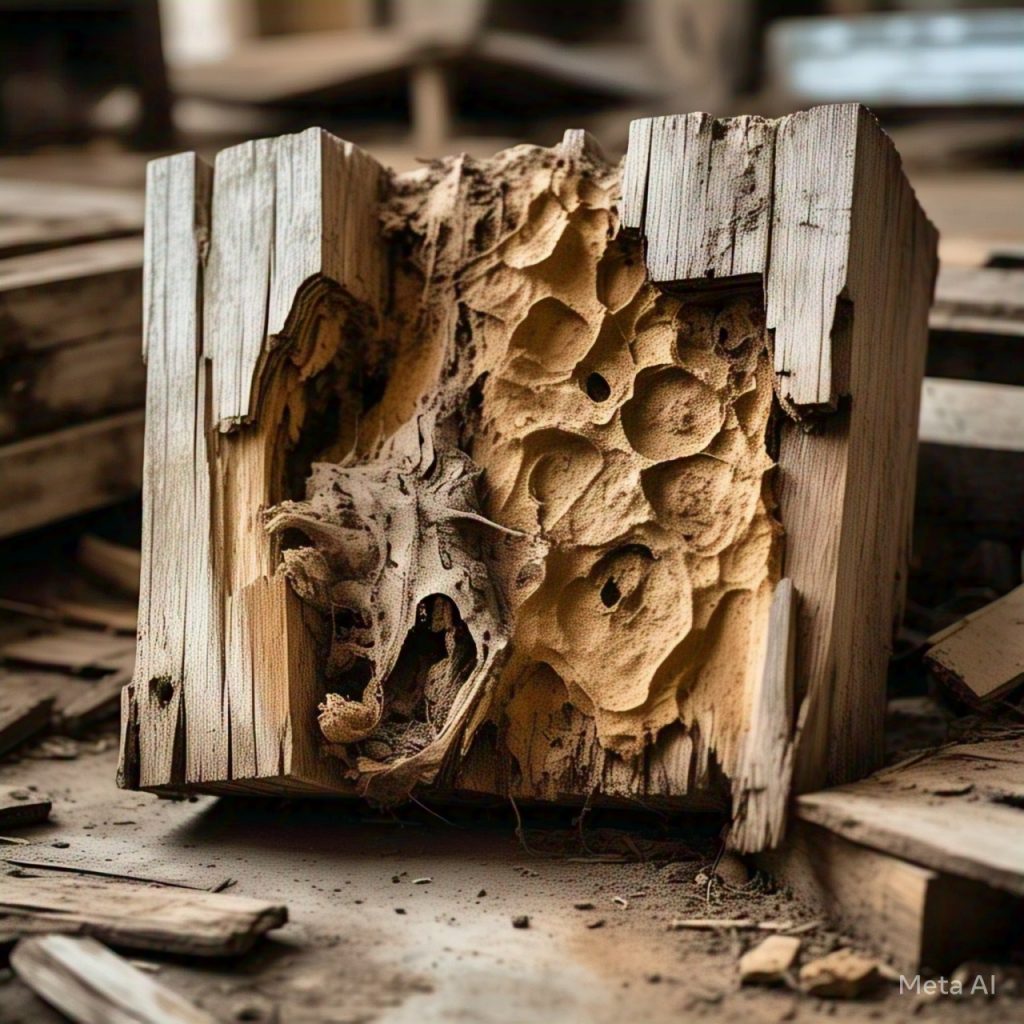
Pests can cause extensive property damage if left unchecked, leading to costly repairs and potential health risks. By identifying the warning signs, taking proactive prevention measures, and addressing infestations promptly, homeowners can protect their properties from the devastating effects of pests. If your home has already suffered damage, swift restoration efforts combined with expert pest control can help restore safety and integrity to your living space in East Columbus, Ohio.
Implementing long-term pest prevention strategies is the key to maintaining a healthy, pest-free home. Stay vigilant, act quickly, and ensure that your property remains a safe haven, free from unwanted invaders.