


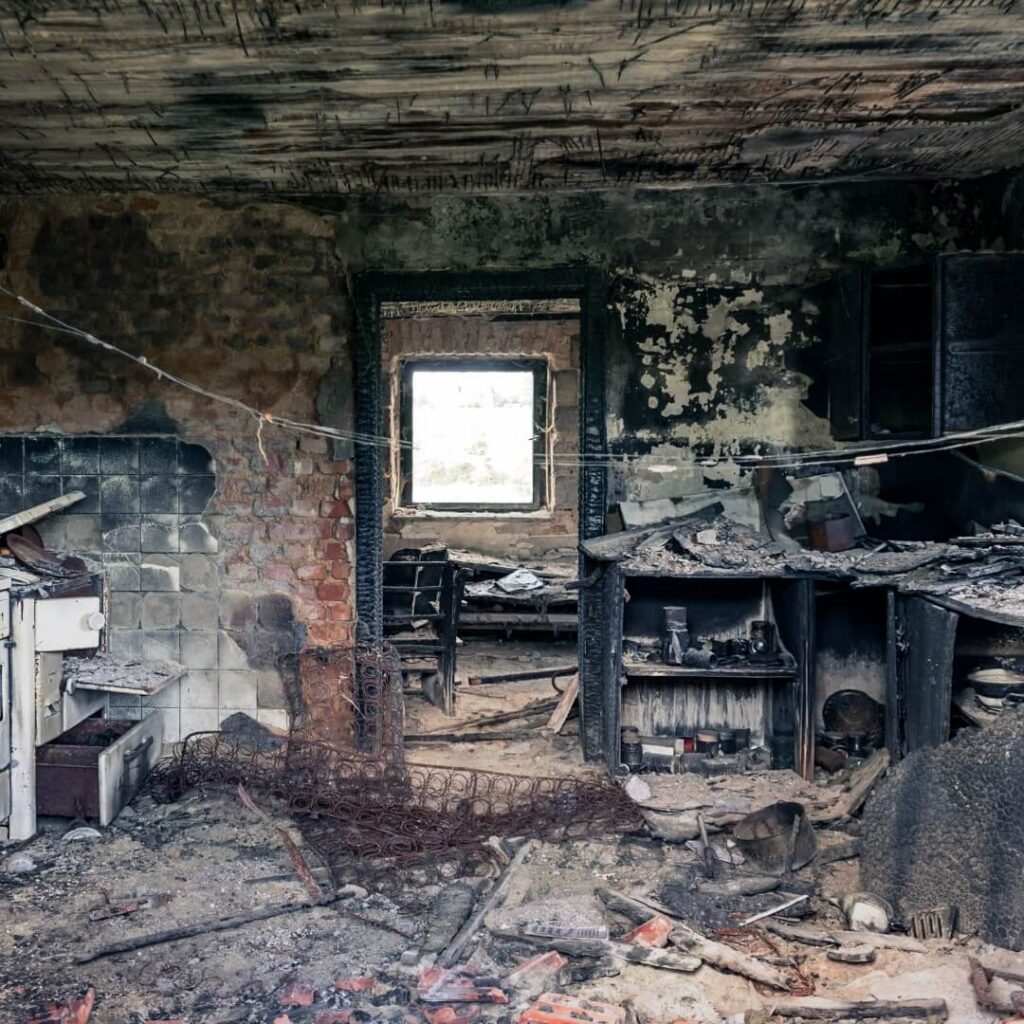
Smoke damage is more than just the charred surfaces and soot marks left behind. It penetrates walls, furniture, and HVAC systems, releasing harmful chemicals and fine particles into the air. These particles can embed deeply into materials, making them difficult to remove without professional intervention. The insidious nature of smoke means that even after visible soot is removed, toxic residues can continue to pose a threat.
The Composition of Smoke
Smoke is a complex mixture of gases and fine particles produced when materials burn. It can contain carbon monoxide, carbon dioxide, and many other harmful chemicals, depending on what was burned. For instance, burning plastics can release dioxins, while wood fires can emit benzene and acrolein. These particles can remain in the air long after the fire is out, continuing to affect air quality.
Understanding the composition of smoke is crucial as it helps determine the appropriate cleaning and purification methods.
Health Risks of Poor Air Quality
Exposure to smoke-damaged air can lead to a range of health problems, from mild irritation of the eyes, nose, and throat to more severe respiratory issues. Vulnerable individuals, such as children, the elderly, and those with compromised immune systems, are particularly at risk.
Long-term exposure can exacerbate chronic conditions and increase the risk of heart and lung diseases. This is why it’s crucial to address air quality restoration promptly after a fire. Beyond immediate health concerns, prolonged exposure to poor air quality can lead to reduced overall well-being and a diminished quality of life.
Smoke Damage Air Quality Restoration Steps
Restoring air quality requires a comprehensive approach that targets all smoke-affected areas. It’s not a one-time fix but a series of steps that ensure thorough decontamination. Here’s a step-by-step guide to help you get started:
1. Initial Assessment and Ventilation
The first step in smoke damage restoration is to assess the extent of the damage. Professionals will inspect your home to determine how deeply the smoke has penetrated and which areas are most affected.
This assessment is crucial for tailoring the cleaning process to your specific situation. Once the assessment is complete, ventilate your home as much as possible. Open windows and doors to allow fresh air to circulate and use fans to expedite the process. This helps remove some of the lingering smoke particles from the air, providing immediate relief while further steps are being planned.
2. Cleaning and Deodorizing
Deep cleaning is essential for removing smoke residues from surfaces. Use specialized cleaning agents that break down soot and smoke particles without damaging your belongings. This often includes:
- Washing walls, ceilings, and floors.
- Cleaning carpets, drapes, and upholstery with steam cleaners.
- Using chemical sponges or dry cleaning for delicate materials.
Deodorizing is also crucial. Smoke odors can be stubborn, but ozone treatments or thermal fogging can help neutralize them. These methods are designed to penetrate deeply into affected materials, ensuring that odors are eliminated at their source rather than just masked.
3. HVAC System Inspection and Cleaning
Your HVAC system can harbor smoke particles and redistribute them throughout your home even after cleaning. It’s important to have your ducts professionally cleaned and replace filters to prevent the recirculation of contaminants. Neglecting this step can lead to persistent air quality issues, as smoke particles trapped in the system can continue to be released over time. Regular maintenance of your HVAC system not only supports air quality restoration but also enhances system efficiency and longevity.
4. Air Purification
Invest in air purifiers equipped with HEPA filters. These filters are designed to capture small particles, including smoke, and can significantly improve air quality. Consider placing these purifiers in the most affected areas for maximum efficiency. In addition to HEPA filters, some air purifiers incorporate activated carbon filters, which can help remove odors and volatile organic compounds (VOCs) from the air, providing a more comprehensive purification solution.
5. Continuous Monitoring
After restoration, continuously monitor the air quality in your home. This can be done using air quality monitors that detect pollutants and provide real-time feedback. Maintaining good air quality is an ongoing process that requires vigilance. Regular monitoring helps identify recurring issues promptly, allowing for timely interventions and ensuring that your home remains safe.
Professional Restoration Services

While some steps can be done independently, working with professional restoration services ensures a thorough approach to smoke damage and air quality restoration. These experts have the tools and experience necessary to handle even the most severe smoke damage, providing peace of mind that your home is safe. Their expertise allows them to navigate complex situations and ensure that restoration efforts are both effective and efficient.
Why Choose Professional Services?
- Expertise and Equipment: Professionals use advanced equipment and techniques to remove smoke particles and odors. They stay updated on the latest industry developments, ensuring they can tackle even the most stubborn smoke damage.
- Comprehensive Solutions: They offer a full range of services from cleaning and deodorizing to HVAC maintenance and air quality testing. Their holistic approach ensures that all aspects of smoke damage are addressed.
- Time and Efficiency: Professionals can complete the restoration process more quickly and effectively than DIY methods. Their experience means they can anticipate and resolve potential challenges, minimizing disruption to your life.
Preventing Future Smoke Damage
While it’s impossible to eliminate all risks, taking precautions can reduce the likelihood of future smoke damage. Being proactive about fire safety protects your home and gives you peace of mind.
- Install smoke detectors on every level of your home and test them regularly. Early detection is key to preventing extensive fire damage.
- Have a fire extinguisher accessible and know how to use it. Regularly check its expiration date and ensure that family members are familiar with its operation.
- Create a fire escape plan and practice it with your family. Regular drills can help everyone remain calm and efficient in the event of an emergency.
- Avoid overloading electrical outlets and ensure your home’s wiring is up to code. Regular inspections by a qualified electrician can identify potential hazards before they lead to a fire.
By taking these preventative measures, you can protect your home and family from future fire and smoke damage. Establishing a culture of safety within your home can significantly mitigate risks.
Conclusion
Restoring air quality after smoke damage is a critical task that requires a systematic approach. By understanding the impact of smoke, taking the necessary restoration steps, and involving professional services, you can ensure that your Ridgewood home is safe and healthy for your family.
It’s essential to recognize that addressing air quality is not just about comfort—it’s about ensuring the well-being of everyone who calls your house a home. Proactive measures and ongoing vigilance can help maintain a safe environment, providing peace of mind and a healthy living space for years.
For expert smoke and fire damage restoration services in the Fair Lawn area, contact PuroClean of Ridgewood today!