Mold removal on wood Emerson NJ: when framing can be cleaned, when it must be replaced and who to call. 551 751 1288.

Mold Removal on Wood Emerson NJ: What Can Be Saved and What Has to Go
You shine a flashlight up between the basement joists and see it: white fuzz on one beam, dark freckles along the sill. It’s been a wet few weeks, and the ground around your Emerson house has been soggy for days. Before you grab a bleach jug, here’s what you should know about mold removal on wood Emerson NJ homeowners deal with every year.
The good news is that wood isn’t always a lost cause. The harder news is that some wood is, and telling the difference matters. We’ll walk through both, plus why wood mold tends to come back in a town with damp soil.
Mold Removal on Wood: Clean It or Replace It?
Solid, sound wood with surface mold can often be cleaned and kept, while wood that is soft, crumbly or rotted usually has to be replaced. The deciding factor is whether the mold stayed on the surface or the wood itself has been damaged.
The EPA’s homeowner guidance warns that mold damages what it grows on, and the longer it grows, the more damage it can cause. That’s why speed counts. Fresh surface mold on structural framing is often a cleaning job. Old, deep growth in wet wood may not be.
Surface Mold Versus Wood Rot
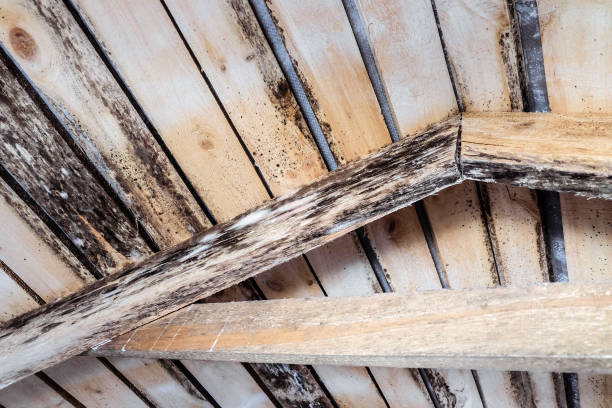
Mold and rot aren’t the same thing. Mold grows on the surface and may stain the wood, while rot is decay caused by fungi that break down the wood fibers. Rot weakens the structure.
A simple clue is texture. Wood that is firm, with mold that wipes or brushes off, is a better sign. Wood that feels spongy, crumbles or lets a screwdriver sink in easily is a worse one. If you’re not sure, have a professional or a licensed contractor look at it, especially for beams, sills and subfloors that carry weight.
How Professionals Handle Mold Removal on Wood Framing
Professional cleaning of moldy wood usually means containing the area, removing loose growth with HEPA vacuuming, cleaning or abrading the surface and then drying the wood fully. The exact method depends on how deep the growth goes.
First, we set up containment so spores don’t spread to the rest of the house. Next, we use a HEPA vacuum on the wood to remove surface growth. Then, depending on the condition, technicians may use methods such as wire brushing, sanding or damp wiping to take off what remains. After that, we dry the framing completely, checking with moisture meters rather than guessing. Finally, we verify the result and, where appropriate, finish the area to help guard against moisture.
Wood that is structurally compromised comes out and gets replaced. Our mold removal and remediation service page explains how we approach each case.
Mold Removal on Wood in Emerson Basements, Joists and Decks
Emerson’s saturated ground and stormwater drainage concerns make basements and crawl spaces prime spots for wood mold. When soil stays wet, moisture moves through foundation walls and into the wood that sits against or near them.
Look first at sill plates, where framing meets the foundation, along with floor joists, subfloor and wall studs on exterior walls. Look at the bottom of stored wooden furniture and shelves too. Outside, decks and fences often show green or black growth, which may be algae or mold. Those usually need cleaning and sealing rather than remediation, although a deck attached to the house is worth checking where it meets the wall.
If your problem began with a sewer backup or contaminated water, don’t scrub. The EPA says to call in professionals for sewage or other contaminated water, and our guide to sewage cleanup in Emerson explains the extra safety steps.
Mold Removal on Hardwood Floors and Wood Furniture
Finished hardwood can often be saved if it’s dried quickly, while unfinished or heavily soaked boards may cup, buckle or hold mold below the surface. Furniture with a sealed finish may clean up well, but unfinished or veneered pieces can be harder.
Don’t flood a moldy floor with water to scrub it. Extra water can drive moisture deeper into the boards. A professional can measure moisture and decide whether drying equipment can rescue the floor.
What to Avoid When Cleaning Mold From Wood
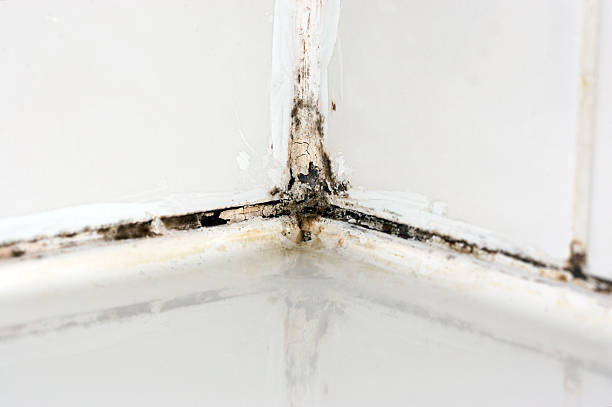
The most common mistakes are soaking the wood, dry brushing without protection and relying on a chemical to do the work. Each can make things worse.
Wood is porous, so liquids sink in and can leave it wetter than before. The EPA doesn’t recommend routine use of bleach or other biocides in mold cleanup, and some resources note that bleach is less effective on porous materials such as wood. Dry sweeping or sanding without containment can throw spores into the air.
If you try a small cleanup yourself, wear at least an N95 respirator, gloves and goggles. Keep the job to about 10 square feet or less, per the EPA’s rule of thumb, and stop if you find soft wood. Never mix bleach with ammonia.
Why Mold Removal on Wood Comes Back, and How to Slow It Down
Mold returns when the wood stays damp, so the lasting fix is moisture control. According to the EPA, the key to mold control is moisture control, and drying wet materials within 24 to 48 hours helps prevent growth. See the EPA’s guide to mold, moisture and your home.
In Emerson, that often means looking outside first. Check that gutters are clear and downspouts carry water away from the foundation, and that soil slopes away from the house. Inside, use a dehumidifier in damp basements, keep stored wood and cardboard off the floor and check for plumbing leaks. These steps may help, though none is a guarantee.
If water got in, our water damage mitigation team can dry the structure before mold takes hold. You can request an on site estimate, and our Emerson service area page shows how we cover your town.
Mold Removal on Wood Emerson NJ FAQ
Can mold be removed from wood?
Often yes, when the wood is solid and the growth is on the surface. Soft or rotted wood usually has to be replaced.
How do I tell mold from wood rot?
Mold stains or fuzzes the surface, while rot breaks down the wood so it feels soft or crumbly. A professional can confirm.
Does bleach kill mold on wood?
The EPA doesn’t recommend routine bleach use, and some resources say it works poorly on porous wood. Moisture control matters more.
Can I sand moldy wood myself?
Sanding can scatter spores without containment. For anything beyond a small spot, hire a professional.
Why does mold keep coming back on my basement wood?
Because moisture remains. Fix leaks, improve drainage and dry the area completely.
Also Serving Nearby: PuroClean in Hackensack
If you’re closer to Teaneck, Paramus, Englewood or Fort Lee, our neighbors at PuroClean Mitigation and Restoration Services in Hackensack may be nearer. Call them at (201) 261 0162 or visit their Hackensack page.
Call for Effective Mold Removal on Wood in Emerson Today
Found mold on wood and not sure what to save? We’ll look, measure and tell you plainly. PuroClean of Ridgewood is here 24/7 for Emerson and nearby towns. Call (551) 751 1288 or contact us online to get started.