Water damage restoration products for Midland Park NJ homes: what helps, what to skip and when to call a pro. PuroClean 551 751 1288.
What are the Best Water Damage Restoration Products: that are 100% Safe and Effective
The pipe froze, thawed and let go, and now there’s a wet stain spreading across the kitchen ceiling. You grab your keys, drive to the hardware store and stand in an aisle full of sprays, powders, absorbent pads and machines, all promising to fix water damage.
What are the most effective water damage restoration products for homes? And which ones are just expensive hope in a bottle?
We’ll give you the honest answer. Most of the work in water damage restoration is done by removing water and drying quickly, not by chemicals.
This guide explains which water damage restoration products help, which are optional, which deserve caution and how to avoid wasting money, with Midland Park’s mix of homeowners and renters in mind.

Water Damage Restoration Products: The Short Answer
The most effective products are the ones that remove and dry water: wet dry vacuums, pumps, fans and dehumidifiers. Cleaners, sealers and sprays come second, and none of them can replace drying.
That ordering surprises people. A product that promises to kill mold or seal a wall is selling the final step. If the structure stays wet, mold can grow regardless of what you spray. The EPA advises drying a flooded home and everything in it within 24 to 48 hours if you can, and you can read its guidance in the text version of the flooded home tour.
Water Removal Products: The Highest Value Purchases
A wet dry vacuum and a small submersible pump give you the most return, because they take out the bulk of the water quickly. Everything after that is easier.
Choose a wet dry vacuum with a sturdy hose and filters made for wet use, and keep a spare. A small submersible pump with a discharge hose helps with standing water in a basement. Squeegees, mops and old towels handle the rest. Use ground fault circuit interrupter protected outlets and rated extension cords, and never use electrical equipment while standing in water. If the power is out, the EPA says portable generators must stay outdoors and at least 20 feet from buildings.
Absorbent Products: Helpful but Limited
Absorbent mats, pads and towels soak up small spills quickly. They’re useful for a leak under a sink or a little water on a hard floor. But they can’t dry a wall, a subfloor or carpet padding, and they quickly become a heavy, wet load that needs disposal.
Think of them as a bridge. They keep you from tracking water around while you set up proper equipment.
Drying Products: Fans and Dehumidifiers
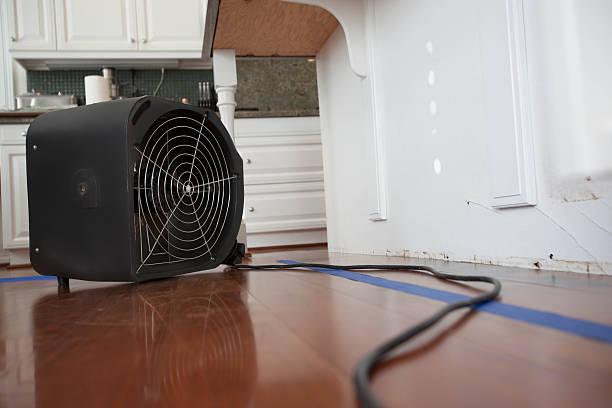
Fans move air across wet surfaces, and dehumidifiers remove the moisture from that air. Together they do most of the real drying a homeowner can do.
Two or three air movers or sturdy box fans help circulate air. A dehumidifier with a decent capacity for your space pulls water out of the air so it doesn’t settle back into materials. Empty the tank often or connect a drain hose. In a cold basement, a dehumidifier may work less efficiently, which is worth remembering in Midland Park winters. Open doors and windows when the weather allows.
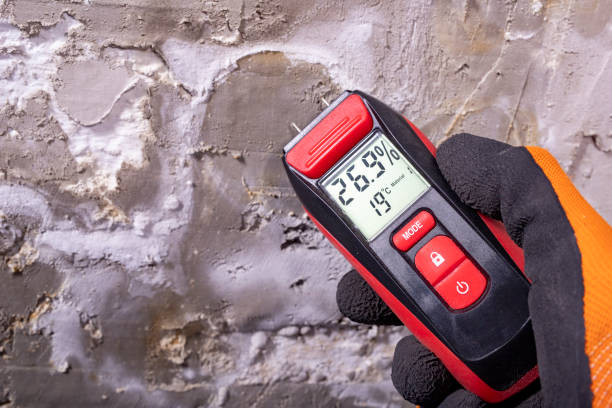
A moisture meter can help you check walls and wood, though it only reads what it touches. Treat it as a clue, not a verdict.
Why Professional Drying Is Different from Water Damage Restoration Products that remove and dry water first.
Professional dehumidifiers and air movers move much more air and remove much more water than household models, and crews place them based on moisture readings and adjust over several days. Specialty systems can dry wall cavities and floors that open air can’t reach. Our guide for Emerson explains these tools in detail. If more than a small area is wet, call us.
Cleaning Products and Antimicrobials: Use With Caution
For hard surfaces, the EPA’s homeowner guidance centers on soap or detergent and water, followed by thorough drying. Specialized antimicrobial or disinfectant products can have a role, but they aren’t a substitute for drying and removal.
The EPA doesn’t recommend routine use of bleach or other biocides during mold cleanup, and it warns never to mix bleach with ammonia. The flooded home guidance also says to use cleaning products carefully, in a well ventilated space, and never mix them.
If you choose a disinfectant, read the label for contact time and surface compatibility. Natural options such as vinegar or hydrogen peroxide are popular for small jobs, but evidence on how well they work is mixed, and they can damage some finishes.
If sewage or flood water is involved, skip the aisle entirely. The EPA says to call professionals when water is caused by sewage or other contaminated water.
Gear You Shouldn’t Skip
Protective equipment belongs on your list before any chemical. At a minimum, the EPA says to wear protective gloves, an N95 respirator and goggles without holes, along with long sleeves, long pants and boots or work shoes.
Sealers, Primers and Paints: Wait Until It’s Dry
Stain blocking primers and mold resistant paints can help after a surface is completely dry and clean. Applying them over a damp wall traps moisture and can cause bubbling, peeling and hidden mold.
Before you buy, ask yourself whether a moisture meter or a professional has confirmed that the wall is dry. If the answer is no, wait. A beautiful coat of paint over a wet wall is one of the most expensive mistakes we see.
Water Damage Restoration Products That Deserve Skepticism
Be wary of anything that promises to restore water damage in a single application, kill every kind of mold permanently or make drying unnecessary. Marketing language is not evidence.
Also be careful with products that claim to make flood water safe to leave in place, since contaminated water needs professional handling. And be cautious with any liquid you plan to pour into walls or floors. If a product seems too good to be true, ask your restoration professional or check the manufacturer’s data sheet and label. We don’t recommend specific brands here, because performance and availability vary.
Water Damage Restoration Products in Midland Park: Renters, Landlords and Winter Leaks
Midland Park has a healthy mix of owners and renters, and many buildings share walls and plumbing, so a leak in one unit can reach another. Products can help, but the first move for renters is to tell the landlord in writing, take photos and keep every message.
Who pays for what depends on your lease and the cause, so ask before you buy a lot of equipment or hire a contractor. Winter adds its own wrinkle. A frozen pipe burst can release a lot of water quickly, and cold, closed spaces dry slowly. Our team can bring professional equipment, and our water damage restoration page explains the process. You can also see our Midland Park service area page.
Nobody can quote your total before seeing the damage, because it depends on how much water entered, how long it sat and what got wet. We don’t publish prices. You can request an on site estimate. If mold has already appeared, our mold removal service can assess it.
Water Damage Restoration Products FAQ
What are the most effective water damage restoration products for homes?
Wet dry vacuums, pumps, fans and dehumidifiers, because they remove water and dry the structure. Cleaners and sealers come second.
Do I need a special spray to prevent mold after water damage?
Not as a replacement for drying. The EPA doesn’t recommend routine biocide use, and drying within 24 to 48 hours matters most.
Can I use vinegar or hydrogen peroxide on water damaged surfaces?
They’re popular for small hard surface jobs, but evidence is mixed and they can damage some finishes. Never mix cleaning products.
When can I paint or seal after water damage?
Only after the surface is completely dry and clean, ideally confirmed with a moisture reading.
When should I stop shopping and call a professional?
When the water may be contaminated, when more than a small area is wet or when you can’t dry everything within 24 to 48 hours.
Also Serving Nearby: PuroClean in Hackensack
If you’re closer to Teaneck, Paramus, Englewood or Fort Lee, our neighbors at PuroClean Mitigation and Restoration Services in Hackensack may be nearer. They handle water, fire, mold and biohazard emergencies. Call them at (201) 261 0162 or visit their Hackensack page.
Call PuroClean of Ridgewood for Water Damage Restoration Products Today
The right product helps, and the right team finishes the job. PuroClean of Ridgewood is here 24/7 for Midland Park and nearby towns. Call (551) 751 1288 or contact us online, and we’ll bring the equipment.