


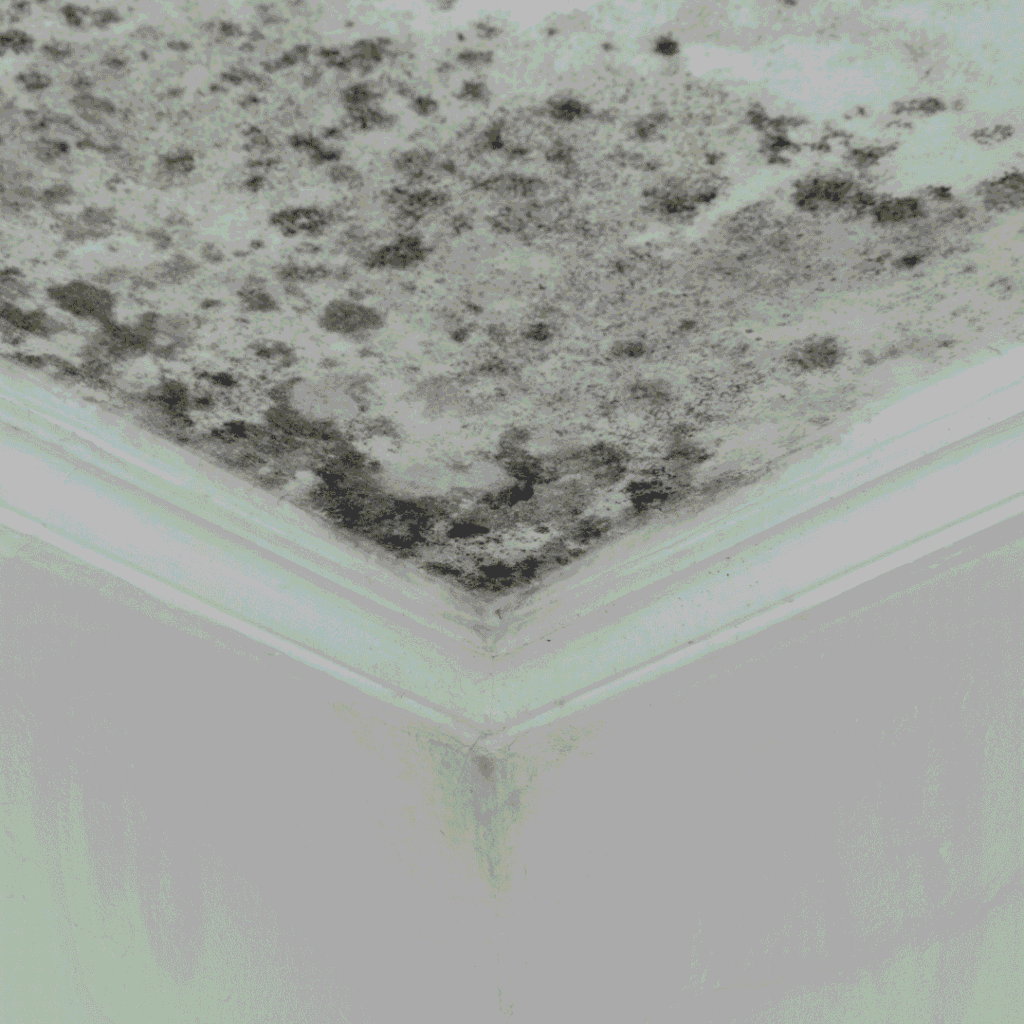
I discovered mold in my Ridgewood, NJ home one early March morning. After a wet winter, small dark patches appeared along the basement walls. There was also a persistent musty smell, especially after a few days of rain. My home is older, built with materials that can hold moisture if there are cracks or leaks, so I wasn’t entirely surprised.
At first, I didn’t think much of it. The patches weren’t large, and I assumed they were superficial. But over a week, I noticed they were spreading slowly, and the smell was stronger. I realized this wasn’t something I could ignore. I had read that mold growth can damage walls, flooring, and personal belongings, and it can affect indoor air quality. Since my family spends a lot of time in the basement, I wanted to make sure the space was safe.
Why Mold Needed Attention
Mold isn’t just an aesthetic problem. Even small colonies can spread quickly when moisture is present. In my case, the basement had some minor water intrusion from a leaky window and condensation from the heating system. Addressing the issue early helps prevent further structural damage and allows surfaces to dry properly.
I also thought about health concerns. Mold spores can irritate lungs, trigger allergies, and cause other issues, especially in sensitive individuals. I wanted to avoid exposing my family. Noticing the musty odor and seeing the first patches made it clear that professional mold damage restoration was necessary.
How the Mold Damage Restoration Was Handled
The team from PuroClean of Ridgewood started with a full inspection. They used moisture meters to check walls, floors, and hidden areas where mold often grows. I was surprised to learn that even small leaks or old plumbing failures can create ideal conditions for mold behind walls or under flooring.
After identifying the affected areas, they set up containment zones to prevent spores from spreading into clean areas. HEPA filtration devices were placed in the work zones to clean the air continuously. Compromised materials, like sections of drywall and insulation, were carefully removed according to industry standards.
All surfaces were cleaned with EPA-registered disinfectants and then vacuumed using HEPA vacuums to capture any remaining spores. They also addressed any lingering moisture using industrial drying equipment, which I learned is essential because even slightly damp areas can encourage new mold growth.
The restoration took several days, and during that time, the containment allowed us to use other parts of the house safely. The team recommended a third-party clearance inspection to confirm that all mold was removed and the air quality was safe.
Addressing Water Damage Alongside Mold
Part of the reason mold grew in my basement was minor water damage from leaks and condensation. The mold damage restoration services included checking for and addressing these water issues. Floors and walls were dried thoroughly, and small leaks in plumbing were noted for repair. I appreciated that this approach reduced the chance of mold returning.
Even in early spring, when humidity can be higher in Ridgewood, taking these steps helped the basement air feel fresher and the walls dry. Learning how water damage and mold are linked was eye-opening for me. Even small amounts of moisture can lead to hidden mold if it isn’t managed promptly.
Estimated Costs and Timeframe

For a basement restoration like mine in Ridgewood, NJ, costs typically range from $1,500 to $5,000, depending on the extent of mold growth and how much material needs to be removed. Factors that influence cost include:
- How widespread the mold is
- Accessibility of the affected areas
- Containment and HEPA filtration requirements
- Any water damage restoration that is needed
The project took about four days, which felt reasonable for the work completed. Seasonal factors like March humidity and rainy weather extended drying times slightly. Hard-to-reach areas behind walls or under flooring can also increase the timeframe. I found that having a thorough inspection upfront helped prevent unexpected delays.
Frequently Asked Questions
Can I Handle Mold Removal Myself?
Small spots can sometimes be cleaned with household cleaners, but mold often hides where it’s not visible. Professionals handle the hidden areas, air filtration, and material removal safely.
How Soon After Water Damage Should I Inspect for Mold?
Mold can develop in as little as 24 to 48 hours after water exposure. Inspecting quickly after leaks, storms, or appliance failures can prevent larger infestations.
Will Mold Return After Cleanup?
Mold can come back if moisture persists. Addressing leaks, ventilation issues, and drainage problems is important to reduce recurrence.
Is It Safe to Stay in the House During Restoration?
Containment and HEPA filtration protect clean areas. In my home, the team isolated affected spaces so the rest of the house could be used safely while remediation was ongoing.
Why PuroClean of Ridgewood Worked for My Home
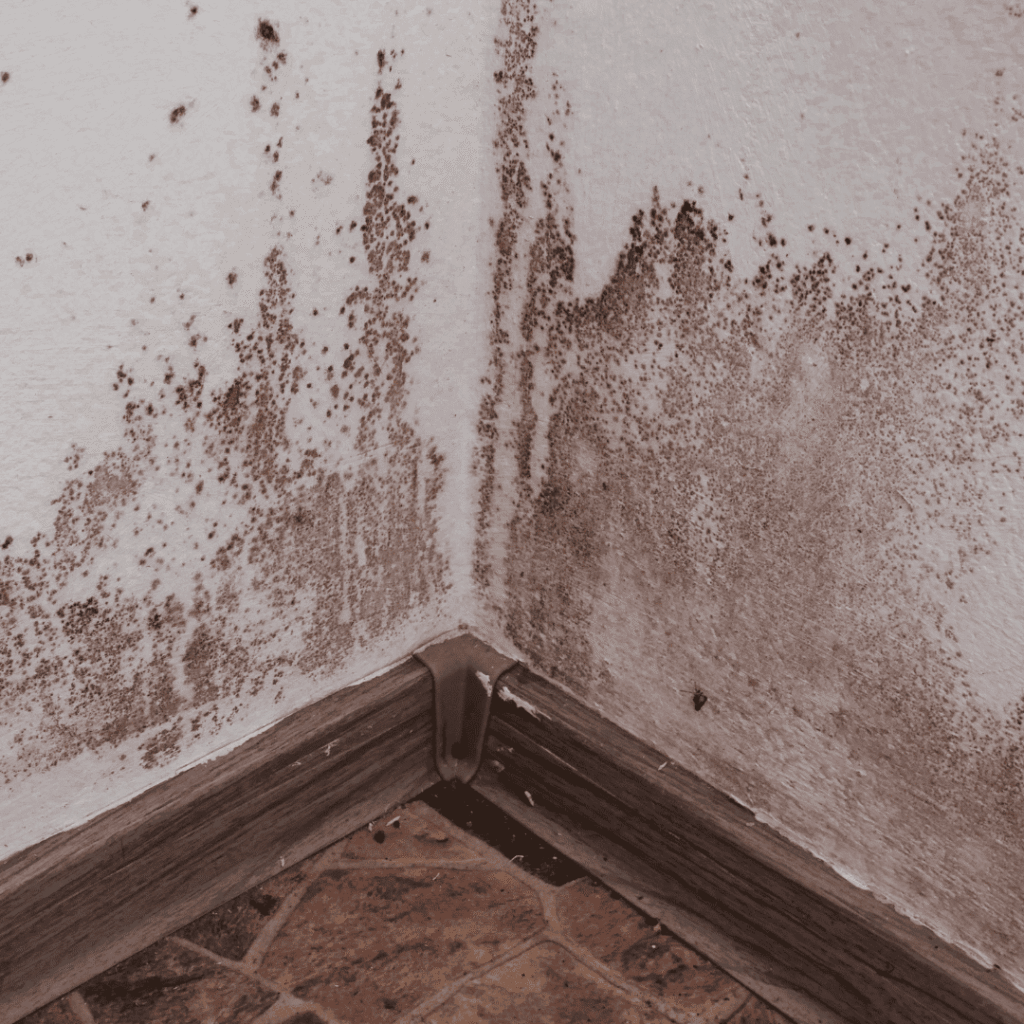
I chose PuroClean of Ridgewood because they are familiar with local conditions. Older homes in Ridgewood can have hidden moisture problems, and early spring rains increase the risk of mold. Their technicians are IICRC certified and work with indoor environmental professionals, giving me confidence that the remediation was done properly.
They maintained clear communication throughout, including photo documentation for insurance purposes. Their experience in mold and water damage restoration made the process structured and practical, without unnecessary delays. I also appreciated that they provided recommendations to prevent mold from returning.
How to Restore a Home Safely From Mold
From my experience, restoring a home with mold requires addressing both visible growth and the underlying moisture sources. The steps that worked for my Ridgewood home included:
- Identifying all affected areas through thorough inspection
- Containing the mold to prevent cross-contamination
- Removing compromised materials safely
- Cleaning air and surfaces using HEPA filtration and EPA-approved solutions
- Drying affected areas completely to prevent recurrence
Early intervention in March, when moisture levels were high, helped prevent further damage and kept the home safe for my family.
If you notice mold in your Ridgewood home, it’s important to act promptly. You can reach out by phone or complete their contact form online to have the situation evaluated and properly restored. Addressing the problem early not only protects your property but also improves indoor air quality for everyone living there.