

When biological contaminants enter a space, the clock starts ticking on both safety and property salvage. In my experience, Ridgewood’s historic building materials like lath-and-plaster or original hardwoods, can pull fluids deep into the structure via capillary action. Professional biohazard cleanup is the only way to ensure that these “hidden” dangers are fully remediated according to OSHA and NJ State Department of Health standards.
What is biohazard cleanup?
Biohazard cleanup is the specialized process of removing, cleaning, and disinfecting sites contaminated with potentially infectious materials such as blood, bodily fluids, animal waste, or sewage. It involves strict containment protocols and the use of EPA-registered hospital-grade disinfectants to eliminate pathogens at the source.
Common Biohazard Scenarios in Ridgewood
What we found was that biohazard needs in Bergen County often fall into three main categories: sewage overflows from aging infrastructure, hoarding situations involving animal waste, and traumatic events or unattended deaths. Each of these requires a different chemistry of cleaning agents. For example, the PuroClean RapidDefense™ Program is specifically designed to address viral and bacterial outbreaks by providing up to three months of residual protection.
The Importance of Proper Containment
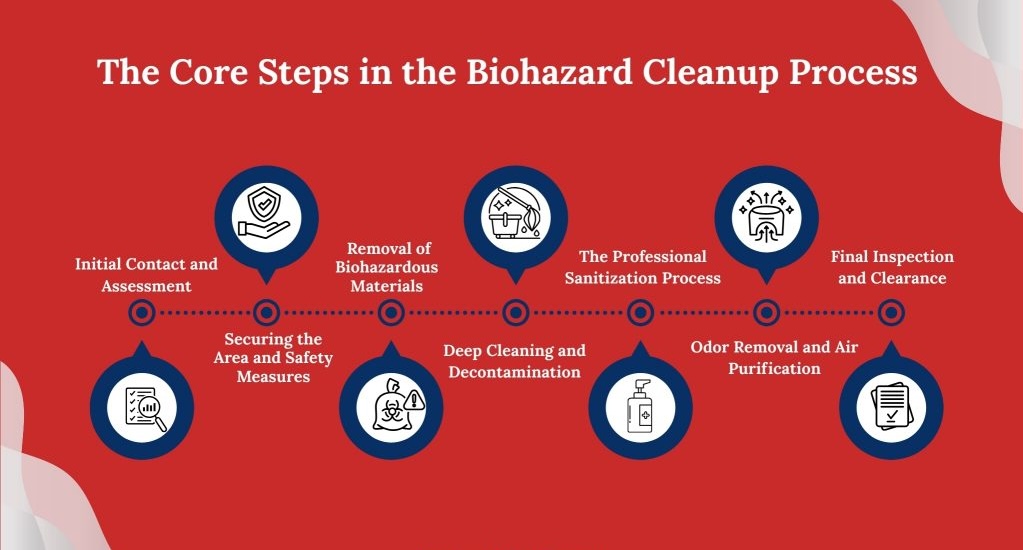
One of the biggest mistakes I see is attempting to clean a biohazard with a standard mop or vacuum. This often aerosolizes pathogens, allowing them to settle in your HVAC system and spread to other rooms. We establish “negative air pressure” zones using industrial HEPA air scrubbers to ensure that no contaminated air escapes the work area during the biohazard cleanup.
How much does biohazard cleanup cost?
In 2026, professional biohazard cleanup in Ridgewood typically costs between $2,500 and $5,000 for a standard residential room, though complex hoarding or trauma scenes can range higher. This price reflects the specialized labor, hazardous waste disposal fees, and the high-cost PPE required to keep technicians safe.
Factors that influence your estimate
- Type of Contaminant: Sewage cleanup is generally less expensive than trauma or crime scene remediation due to different disposal regulations.
- Volume of Porous Materials: If carpeting, drywall, or subflooring has been saturated, the cost of removal and structural repair will increase.
- Disposal Requirements: New Jersey law requires biohazardous waste to be transported by licensed haulers to specialized incinerators, which adds to the project’s bottom line.
Is biohazard cleanup covered by insurance?
Most New Jersey homeowners and commercial property insurance policies cover biohazard cleanup under “Property Damage” or “Additional Coverages.” In my experience, adjusters are often quick to approve these claims because they recognize the liability and health risks of leaving a biohazard untreated.
Professional Documentation for Claims
I have found that the key to a successful claim is the “Proof of Decontamination.” We provide your insurance carrier with detailed reports, including photo documentation of the containment and certificates of disposal for medical waste. This ensures your biohazard cleanup is fully documented, protecting the future resale value of your Ridgewood property.
Expert Tips: Maintaining Safety During an Incident
- Isolate the Area: Immediately lock doors and use tape to seal off the affected room from children and pets.
- Turn Off the HVAC: Shutting down your heating or cooling system prevents airborne pathogens from circulating through the vents.
- Don’t Use Bleach: Bleach can react with certain biological fluids to create toxic gases and often fails to reach pathogens embedded in porous surfaces.
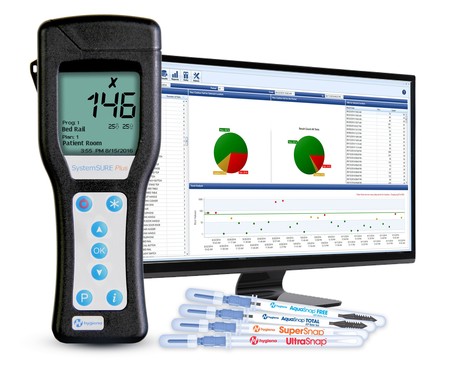
- Wait for the “All Clear”: Do not re-enter the space until a certified technician has performed a final inspection and removed the containment barriers.
Common Myths about Biohazard Cleanup
- Myth: The police or fire department cleans the scene. First responders are there to secure the scene and provide medical aid, they do not perform the specialized cleaning required to make the property livable again.
- Myth: Any cleaning company can handle biohazards. In 2026, New Jersey requires specific licensure and training (IICRC S540) to handle trauma scenes; using an uncertified cleaner can lead to legal and health liabilities.
- Myth: Odor can be covered with candles. Biological odors result from bacteria and decomposition; they must be neutralized with hydroxyl generators or ozone, not masked with scents.
Key Takeaways
- Safety First: Treat all bodily fluids and sewage as if they are highly infectious.
- Legal Compliance: Ensure your provider follows NJ Division of Consumer Affairs and OSHA regulations.
- Discretion Matters: Professional teams use unmarked vehicles and maintain strict privacy during sensitive times.
- Total Restoration: Biohazard cleanup is not finished until the air is scrubbed and the surfaces are verified as pathogen-free.
Contact PuroClean of Ridgewood
When the unthinkable happens, you need a team that combines technical expertise with genuine compassion. We are available 24/7 to provide discreet, professional biohazard cleanup in Ridgewood and across Bergen County.