


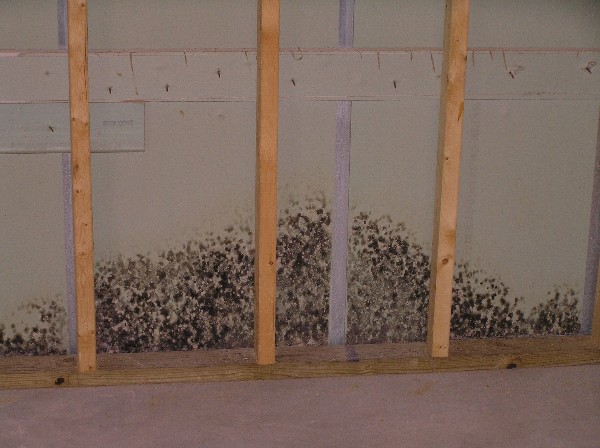
Mold Problems Often Begin Long Before They Are Visible
Mold issues in North Jersey homes rarely start with obvious warning signs. In communities like Fair Lawn and Glen Rock, mold frequently develops behind walls, beneath flooring, or inside attic spaces where moisture accumulates unnoticed. Homeowners often discover mold only after noticing musty odors, allergy symptoms, or staining that appears well after growth has already spread.
Mold remediation focuses on identifying and addressing this hidden contamination rather than just visible growth. Because mold thrives in damp, enclosed environments, early detection and professional remediation are critical to preventing widespread damage.
Basements and Below Grade Spaces Are High Risk Areas
Many homes in Fair Lawn and Glen Rock feature basements that sit below ground level. These spaces are especially vulnerable to moisture intrusion from groundwater, foundation seepage, and seasonal humidity. Even without flooding, moisture can migrate through concrete walls and floors, creating ideal conditions for mold growth.
Mold remediation often begins in these lower levels where humidity remains elevated year round. Addressing moisture in basements helps prevent mold from spreading upward into living spaces.
Condensation Creates Ongoing Moisture Problems
Condensation is a common source of mold in North Jersey homes, particularly during seasonal temperature changes. Warm indoor air meets cold surfaces such as basement walls, windows, or uninsulated pipes, causing moisture to form. Over time, this repeated condensation feeds mold growth even when no active leak is present.
Mold remediation addresses condensation related issues by identifying airflow and insulation gaps. Without correcting these conditions, surface cleaning alone does not prevent mold from returning.
Mold Spreads Easily Through Air Movement
Mold spreads through microscopic spores that travel with air currents. HVAC systems, open stairwells, and normal household activity can move spores from one area to another. This is why mold remediation often involves containment to prevent spores from spreading during cleanup.
Containing affected areas protects the rest of the home and ensures remediation efforts do not unintentionally increase contamination.
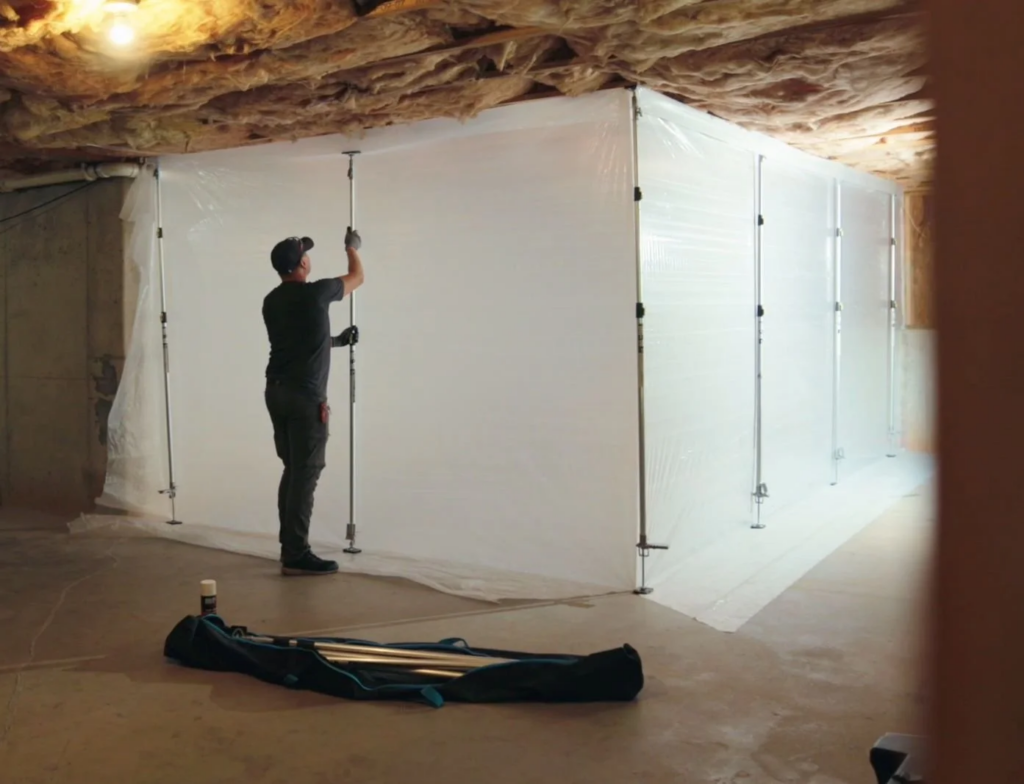
Removing Mold Requires More Than Cleaning Surfaces
Surface cleaning may temporarily remove visible mold, but it does not eliminate contamination within porous materials. Drywall, wood framing, and insulation allow mold roots to penetrate deeply. Without removing affected materials and correcting moisture sources, mold growth often returns quickly.
Mold remediation involves evaluating which materials can be restored and which require removal. This process protects structural integrity and ensures long term results rather than short term cosmetic improvement.
Addressing Moisture Prevents Recurring Mold Problems
Effective mold remediation depends on identifying and correcting moisture sources. In Fair Lawn and Glen Rock homes, moisture may originate from foundation seepage, plumbing leaks, roof issues, or elevated indoor humidity.
Drying affected areas and stabilizing indoor humidity levels are essential steps in preventing mold from returning. Mold remediation that focuses only on removal without addressing moisture leaves the home vulnerable to future growth.
Protecting Indoor Air Quality and Home Value
Mold affects more than building materials. Spores released into the air can impact indoor air quality and occupant comfort. Over time, untreated mold can also affect property value by damaging structural components and requiring extensive repairs.
For homeowners in Fair Lawn, Glen Rock, and surrounding communities, understanding how mold remediation addresses hidden moisture helps guide informed decisions. If musty odors, moisture concerns, or suspected mold growth are present, you can contact us to assess conditions, identify moisture sources, and determine whether mold remediation is needed to restore a healthy indoor environment.