Burst pipe repair in Westwood and insurance: what policies may cover, what they skip and how to protect your claim. Call 551 751 1288 for help.

Burst Pipe Repair in Westwood NJ: What Insurance Covers and How to Protect Your Claim
Picture a Westwood homeowner standing in a wet basement after a long week of rain. The sump pump is running, the carpet squishes underfoot, and a pipe near the water heater is dripping steadily. Was it the rain or the pipe? For burst pipe repair in Westwood NJ residents need, that question matters more than most people realize, because it can decide whether insurance pays.
We’re a restoration company, not an insurer or a law office, so we can’t tell you what your policy says. What we can do is explain how these claims usually work, what tends to trip people up and how to keep your paperwork strong. Think of this as a conversation with a neighbor who has seen a lot of claims.

Does Homeowners Insurance Cover Burst Pipe Repair in Westwood?
Many standard homeowners policies may cover sudden and accidental water damage from a burst pipe, but your exact policy wording decides. Coverage often applies to the damage the water causes, such as ruined drywall and flooring, and may not cover the plumbing repair itself.
That last point surprises people. The pipe that failed is often considered a maintenance item, while the damage it caused to your home is considered the covered loss. Policies differ, so read the water damage section or ask your agent to walk you through it.
Burst Pipe Repair Costs Versus Damage Costs
It helps to separate the bill into two buckets. One bucket is the plumber, who repairs the failed pipe. The other is restoration, which includes water removal, drying, cleanup and rebuilding. Insurance questions usually focus on the second bucket.
Because of that, keep invoices from both professionals in separate folders. When your adjuster asks what happened, you can show which costs relate to which part of the loss.
What Two Events Are Not Covered by Homeowners Insurance?
The two events most often excluded from a standard homeowners policy are flooding and earthquakes. Both typically require a separate policy or endorsement, so check what you have in place.
Flooding matters a great deal in Westwood. According to FEMA, standard homeowners insurance typically doesn’t cover flood damage, and flood coverage is a separate product. You can read more on FEMA’s flood insurance page. Waiting periods often apply before a new flood policy starts, so you can’t buy it the day a storm arrives.
In short, the source of the water is everything. Water that comes out of a failed pipe is plumbing damage. Water that rises from the ground, a stream or an overwhelmed drain is flooding.
Burst Pipe Repair in Westwood and the Pascack Brook Question
Westwood has a long history with Pascack Brook flooding, so the difference between flood and burst pipe is a practical question here. After a heavy storm, a basement can have water from several places at once. Groundwater may seep through the foundation while an older pipe happens to give out.
If you’re in that situation, write down what you saw and when. Note whether the pipe broke before the water level rose, or whether it only started leaking afterward. Photograph the failed pipe itself, because the plumber may replace it quickly and you’ll want proof of what it looked like.
Stick to facts when you speak with anyone about the cause. You don’t need to guess or argue. Say what you observed, and let the plumber’s report and your photos fill in the rest. If sewage is involved, our guide to sewage cleanup in Westwood explains the extra safety steps.
Burst Pipe Insurance Claim Tips: What Not to Say and What to Do
The best way to protect a burst pipe insurance claim is to document everything, report promptly and describe events accurately without guessing. Calm, factual communication works better than long explanations.
First, shut off the water and make the home safe. Then call your insurer or agent and ask how to open a claim. Take wide photos of each room and close photos of the damage, and keep recording as work proceeds. Next, save receipts for plumbing, emergency services and any temporary housing or supplies.
What should you avoid saying to an adjuster? Don’t speculate about the cause if you don’t know it, and don’t downplay the damage because you’re hoping to be easy to deal with. Also avoid saying the pipe had been leaking for a while unless you truly know that, since slow leaks are treated differently from sudden breaks. Honest, specific answers serve you better than guesses in either direction.
It’s also worth knowing that most policies expect you to take reasonable steps to prevent further damage. Starting water removal and drying quickly is part of that. Our team can help you communicate with most insurance companies and explain what each stage of the work involves.
Why Burst Pipe Claims Get Denied
Claims are most often denied or reduced when damage is gradual rather than sudden, when maintenance was ignored, when the loss is excluded, or when the insurer wasn’t told promptly. Understanding these patterns helps you avoid them.
A slow leak behind a wall that went unnoticed for months may be treated as wear and tear. Mold that grew because wet materials weren’t dried may be limited or excluded under some policies. Late reporting can complicate matters too, since the insurer may argue that waiting made the damage worse.
If your claim is denied, ask for the reason in writing and compare it to your policy language. You can request a review, and your agent may be able to help you understand the decision. Consider speaking with a licensed professional if the amount is large.
Service Line Coverage and Burst Pipe Repair in Westwood
Many people assume their policy covers every pipe on the property. That isn’t always true. The service line, which runs from the street or meter to your house, may be excluded unless you’ve added a specific endorsement. Ask your agent whether yours is covered, and who owns that stretch according to your water utility.
This question is much easier to answer on a calm day than during an emergency. A five minute phone call now may save you real confusion later.
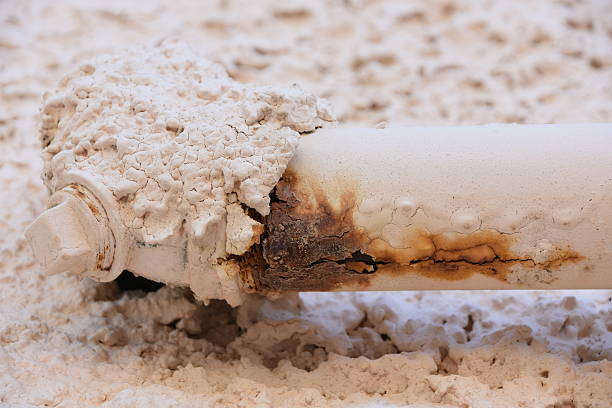
How PuroClean Fits Into Your Claim of Burst Pipe Repair in Westwood
Our role starts after the plumber has stopped the leak. We document moisture levels, extract water, dry the structure and clean the area, and we keep records you can share with your insurer. If walls, floors or cabinets need to be replaced, our water damage mitigation and reconstruction services can handle that too.
Speed also helps with coverage. According to the EPA, drying wet materials within 24 to 48 hours helps prevent mold growth, and its mold and moisture guide explains why. Fast action supports both your health and your claim.
Burst Pipe Repair in Westwood NJ FAQ
Does homeowners insurance cover a burst pipe?
Many standard policies may cover sudden and accidental water damage from a burst pipe. They often exclude flooding and slow leaks from neglect. Your policy wording decides.
What two events are not covered by homeowners insurance?
Flooding and earthquakes are commonly excluded and need separate coverage. Check your policy to confirm.
What should I not say to my insurance adjuster?
Avoid guessing about the cause or minimizing the damage. Stick to what you saw, when you saw it and what you did next.
Why do water damage claims get denied?
Common reasons include gradual leaks, ignored maintenance, excluded flood damage and late reporting. Ask for any denial in writing.
Is the service line covered by homeowners insurance?
Not always. It may require an endorsement, so ask your agent before an emergency happens.
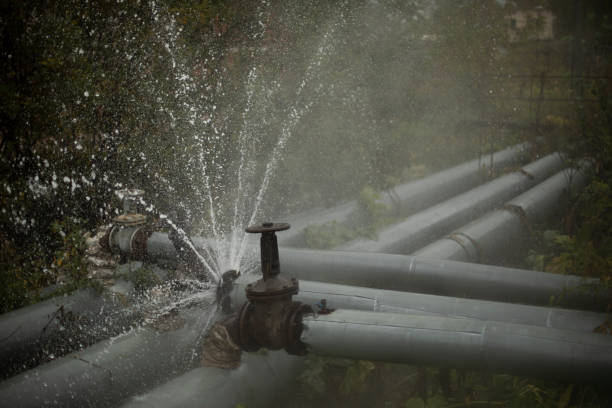
Also Serving Nearby: PuroClean in Hackensack
If you’re closer to Teaneck, Paramus, Englewood or Fort Lee, our neighbors at PuroClean Mitigation and Restoration Services in Hackensack may be nearer. They handle water, fire, mold and biohazard emergencies. Call them at (201) 261 0162 or visit their Hackensack page.
Call for Help Today
Dealing with a burst pipe and an insurance claim at the same time is a lot. PuroClean of Ridgewood is here 24/7, and we’ll help you document the loss and start drying right away. Call (551) 751 1288 or contact us online, and we’ll send a team to Westwood.