


What Bergen County Homeowners Need to Know Before Assuming It Was “Just a Small Fire”
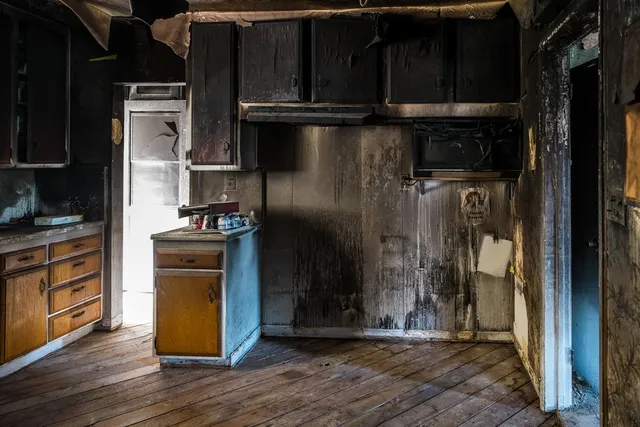
A kitchen fire feels contained. The flames are out, the smoke clears, and the damage looks limited to the stove and the cabinets above it. That impression is almost always wrong, and in Ridgewood’s older homes, it is especially misleading.
Kitchen fires produce wet smoke, protein residue, and grease-laced soot that behave very differently from other fire types. These byproducts travel further, adhere more stubbornly to surfaces, and create odors that standard cleaning cannot eliminate. In a home with original plaster walls, older HVAC ductwork, and decades-old insulation, that contamination finds pathways and hiding places that most homeowners never consider.
At PuroClean of Ridgewood, kitchen fire calls are among the most frequently underestimated jobs we handle. Here is what is actually happening inside your home after one.
What Kitchen Fire Smoke Actually Does to Your Home
Protein smoke from cooking fires is nearly invisible. It does not leave the heavy black soot associated with structural fires, which means homeowners often assume the damage is minor. In reality, protein residue coats every surface in the affected area with a thin, odor-saturated film that discolors paint, degrades finishes, and produces a persistent smell that gets worse when heat activates it again.
In Ridgewood’s older homes, this residue enters:
- HVAC ducts that run through the kitchen zone, distributing contamination throughout the house
- Plaster wall surfaces that are far more porous and absorbent than modern drywall
- Cabinet interiors, drawers, and the contents stored inside them
- Attic insulation, if the fire compromised any ceiling material above the kitchen
The smell alone is enough to make the home unlivable if protein residue is not fully removed, not masked, but chemically broken down and eliminated.
The Hidden Electrical and Structural Risk in Older Bergen County Kitchens
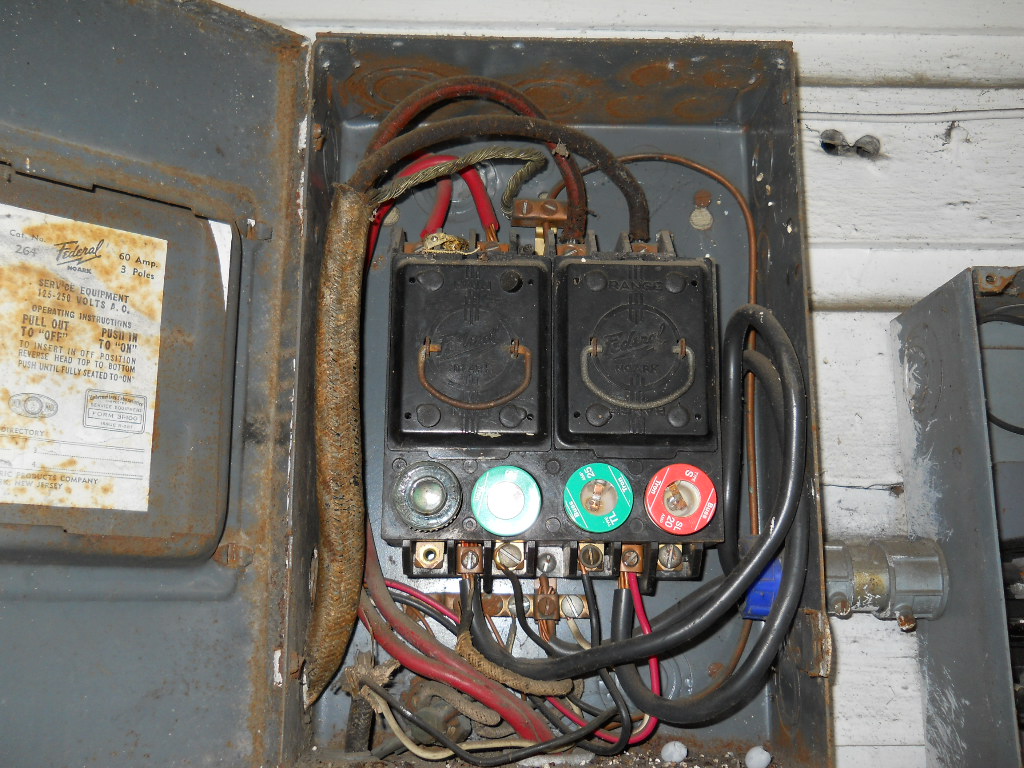
Ridgewood’s older homes frequently have electrical panels and wiring that predate modern safety standards. After a kitchen fire, even one that appears minor, heat exposure to aging knob-and-tube or early aluminum wiring creates latent fire risk that is not visible without a licensed electrician’s inspection.
This is not optional. Our team coordinates electrical assessment before any restoration work begins in an older property, because reopening a home with heat-compromised wiring is a liability no homeowner should take on.
Gas line connections near the stove and oven also require inspection after any kitchen fire. Thermal stress on aging fittings and flexible connectors is a documented risk that does not advertise itself with a smell or a visible sign.
What Professional Fire Damage Restoration Covers After a Kitchen Fire
Professional restoration after a kitchen fire is not cleaning. It is a structured process that addresses contamination, odor, and structural integrity in the correct sequence:
- Scope assessment using thermal imaging to identify heat damage and smoke migration beyond the visible zone
- Containment to prevent soot and residue from spreading during the cleaning process
- Dry and wet cleaning of all affected surfaces using methods matched to protein and grease soot specifically
- HVAC inspection and cleaning if ducts circulated smoke during or after the fire
- Thermal fogging or hydroxyl treatment to eliminate odor at the molecular level rather than masking it
- Content evaluation for salvageable items affected by smoke and residue
- Structural assessment and repair coordination for any fire-compromised materials
Every step is documented for your insurance claim, which in New Jersey’s residential market can make a meaningful difference in how quickly and completely your coverage responds.
One Thing Worth Knowing Before You Sign Anything
Some restoration companies will quote a kitchen fire job based on what is visible in the first walkthrough. That number almost always changes once thermal imaging reveals smoke migration into walls, ceilings, or the HVAC system.
We assess the full scope before we quote. No surprises mid-job, no uncomfortable conversations about additional work that “came up.” You deserve a straight answer from the first day, and that is what we provide.
The Smell Is Telling You Something. Listen to It.
If your kitchen still smells like the fire days later, professional cleaning has not happened yet, regardless of what has been wiped down. Protein smoke odor does not fade on its own. It strengthens every time heat is applied to the affected surfaces.
Call PuroClean of Ridgewood at (551) 751-1288 and let us assess what is actually happening inside your home. We serve Ridgewood, Fair Lawn, Paramus, Hackensack, and throughout Bergen County, around the clock. The sooner we look, the more we can save, and the sooner your kitchen stops smelling like last Tuesday’s disaster.