 PuroClean of Ridgewood
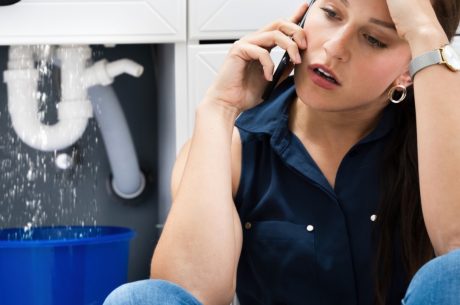
Walking into a flooded room is overwhelming. What we found was that the first 24 to 48 hours are the most critical window for water restoration. In Ridgewood’s climate, humidity levels can spike quickly, turning a simple plumbing leak into a major health hazard. As a Senior SEO Content Strategist, I can tell you that local homeowners searching for “water restoration” are looking for immediate, qualified relief.
What is water restoration?
Water restoration is the professional process of removing excess water, drying the structure, and returning a property to its pre-loss condition. This service combines high-powered extraction, industrial-grade drying, and detailed sanitization to prevent long-term rot or mold.
The Phases of Professional Restoration
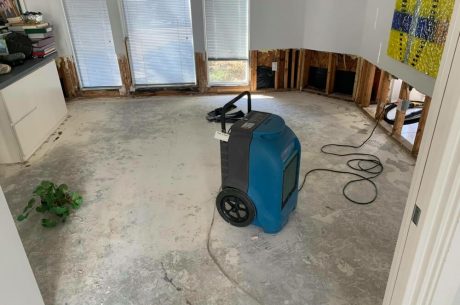
In our years serving Bergen County, we have refined a protocol that ensures no moisture remains trapped. We start with a thermal imaging inspection to find hidden water. Next, we perform heavy-duty extraction, followed by industrial dehumidification. Finally, we sanitize the area to ensure a safe environment for your family.

Why DIY methods often fail
In my experience, homeowners often stop drying once the carpet feels dry to the touch. However, water damage restoration requires measuring moisture levels deep within the subflooring and wall studs. Without professional-grade meters, you risk leaving pockets of humidity that lead to structural weakening.
How long does water restoration take?
The average water restoration project typically takes between three to five days for the drying phase to complete. If significant reconstruction is required, such as replacing drywall or hardwood floors, the total timeline may extend to several weeks.
Factors that influence the timeline
- The Volume of Water: A massive burst pipe creates more saturation than a small appliance leak.
- Material Porosity: Hardwood and concrete take longer to dry than standard drywall.
- Category of Water: Cleaning up “black water” from sewage requires extra days for intensive sanitization.
Is water restoration covered by insurance?
Most standard homeowners insurance policies cover water restoration if the damage is “sudden and accidental,” such as a burst pipe or water heater failure. Gradual damage caused by poor maintenance or long-term seepage is typically excluded.
Navigating the claims process
I have seen many Ridgewood residents feel stressed by the paperwork involved in a claim. We provide detailed digital documentation and moisture logs to help your adjuster understand the full scope of the water damage. This transparency often leads to a smoother and faster reimbursement process.

Expert Tips: What to do while waiting for help
- Shut off the water: Locate your main water valve and turn it clockwise to stop the flow immediately.
- Protect furniture: Place aluminum foil or wood blocks under furniture legs to prevent staining on carpets.
- Avoid electrical hazards: Do not enter a flooded room if the electricity is still on at the breaker.
- Document everything: Take clear photos of the source and the affected areas for your insurance company.
Common Myths about Water Damage
- Myth: Bleach kills mold on drywall. In reality, bleach only kills surface mold, while the water in the bleach can feed the roots inside porous materials.
- Myth: If it doesn’t smell, it’s fine. Mold can grow silently behind baseboards for weeks before a “musty” odor becomes noticeable.
- Myth: Fans are enough. Standard household fans move air but do not remove grains of moisture from the environment like industrial dehumidifiers do.
Key Takeaways
- Immediate Action: Speed is the only way to minimize the cost of water restoration.
- Hidden Moisture: Professional tools like thermal cameras are necessary to find water in wall cavities.
- Insurance Support: Documenting damage immediately helps ensure a successful claim.
- Safety First: Always prioritize electrical safety when dealing with indoor flooding.
Contact PuroClean of Ridgewood
If you are facing a flood or leak, do not wait for the damage to spread. Our certified technicians provide 24/7 water restoration services to protect your home and your health.

 PuroClean of Ridgewood