What rules apply to biohazard cleanup regulations Midland Park NJ residents should know? Four layers of OSHA, state, and transport rules in plain English.
Biohazard Cleanup Regulations in Midland Park NJ: The Four Layers of Rules, Explained Simply
Most people never think about the rules behind biohazard cleanup until they need it. Then the questions come quickly. Is this regulated? Who is allowed to do it? What happens to the waste?
If you searched for biohazard cleanup regulations Midland Park NJ, this guide breaks the rules into four simple layers so you can understand what a professional company must do and why it matters to you.
Quick answer: Professional biohazard cleanup in New Jersey is shaped by four layers of rules: federal OSHA worker safety rules,
New Jersey’s regulated medical waste rules, federal transportation rules for hazardous materials, and local requirements such as police, health, and building officials. New Jersey does not currently have a dedicated state license for biohazard cleanup workers as far as we found, though a bill has been proposed.
Why Biohazard Cleanup Regulations in Midland Park NJ
Blood, body fluids, and some other materials can carry bloodborne pathogens such as hepatitis B, hepatitis C, and HIV.
Rules exist to protect the workers doing the cleanup, the family and neighbors, and the public once the waste leaves the property. When the rules are followed, the risk of spreading anything stays very low. When they are skipped, it does not.
Layer One: Federal Worker Safety Rules (OSHA)
The Occupational Safety and Health Administration’s Bloodborne Pathogens Standard, 29 CFR 1910.1030, is the foundation. It requires employers to:
- Train workers on bloodborne pathogen hazards
- Provide protective equipment such as gloves, gowns, and respirators when needed
- Maintain a written exposure control plan
- Handle sharps and contaminated items safely
- Label biohazard containers
This layer protects the crew. It also protects you, because trained workers are far less likely to spread contamination through your home.
Layer Two: New Jersey Regulated Medical Waste Rules
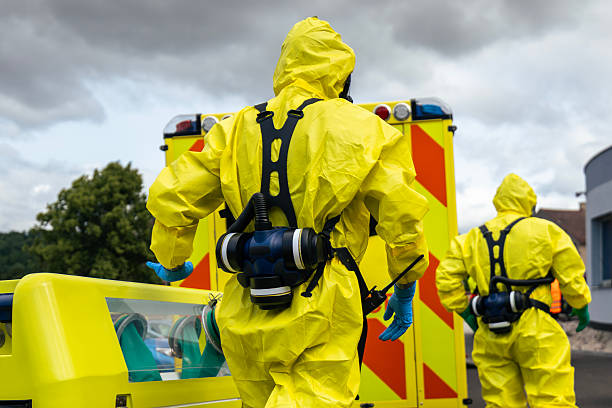
Some of what comes out of a biohazard scene counts as regulated medical waste in New Jersey, such as materials soaked with blood or body fluids. The state’s rules, found in N.J.A.C. 7:26 Subchapter 3A and administered by the Department of Environmental Protection, call for waste to be:
- Placed in sealed, leak resistant containers
- Labeled with the biohazard symbol or the words medical waste
- Tracked with proper paperwork
- Moved only by medical waste transporters registered with the state
The state has said clearly that commercial cleaning companies are not exempt from these rules. This is the layer that separates a professional biohazard team from a general cleaner who might simply throw contaminated materials in a dumpster.
Layer Three: Federal Transportation Rules
When regulated medical waste travels on public roads, federal Department of Transportation hazardous materials rules apply.
These cover packaging, marking, and handling during transport. You will not see this layer, but it is part of why proper waste removal costs more than a trip to the curb.
Layer Four: Local Officials and Your Property
Local involvement depends on the situation.
- Police may need to release a scene before cleanup begins after a crime or death.
- Local health officials can become involved with severe hoarding, sewage, or certain health hazards.
- Building and fire officials may be involved if structural damage is part of the job.
- Landlords, condo associations, and insurers often have their own requirements and paperwork.
If you live in Midland Park, your borough offices and the Bergen County health services can point you to the right contact for your situation. A good cleanup company will also help you coordinate.
What About a State License for Biohazard Cleanup Regulations?
Many people ask whether New Jersey requires a license for biohazard cleanup. We could not find a dedicated practitioner license in effect.
A bill was introduced in the state Legislature that would require trauma scene cleanup providers and their specialists to be licensed. If it passes, rules may change, so verify the current status.
Until then, “licensed” in practice means a company meets the OSHA and waste rules above and is properly insured and registered as a business.
You can read more about how to check a company in our guide to licensed biohazard cleanup in Emerson.
What This Regulations Means for Residential Property Owners?
You do not need to memorize any of this. You do need to know which questions to ask:
- Are your technicians trained in bloodborne pathogen safety?
- How will contaminated waste be packaged and who transports it?
- Can you provide a certificate of insurance?
- Will you document the work for my insurer?
If a company hesitates on any of these, keep looking.
Frequently Asked Questions
Is it legal to clean up biohazards myself in New Jersey?
For a very small household spill, many people do. But contaminated waste from larger events can be regulated medical waste, and there are real health risks. For anything beyond a minor spill, use a professional.
What is regulated medical waste?
It is waste contaminated with blood or certain body fluids that meets the state’s definition. It must be handled, labeled, and transported under New Jersey rules.
Who is responsible for proper disposal, the homeowner or the company?
A professional company should handle waste packaging, labeling, and transport as part of the job. Ask the company to confirm in writing who handles the paperwork.
Do biohazard cleanup companies have to be certified?
OSHA requires worker training. Many companies also pursue industry certifications. See our post on biohazard cleanup certification for a plain explanation of the common ones.
Where do I report a medical waste spill?
New Jersey’s DEP operates a 24 hour hotline for environmental emergencies and medical waste releases. A cleanup company can guide you.
Do you have Questions? Ask Us
PuroClean of Ridgewood handles potentially infectious materials in line with OSHA regulations and sends waste to licensed disposal facilities. Call (551) 751 1288 any time, day or night, or read about our biohazard cleanup services.