Mold removal methods in Ridgewood NJ: how pros clean, what an estimate covers and when to call. PuroClean of Ridgewood: 551 751 1288
What Are the Best Mold Removal Methods in Ridgewood NJ? How Professionals Clean and When to Call
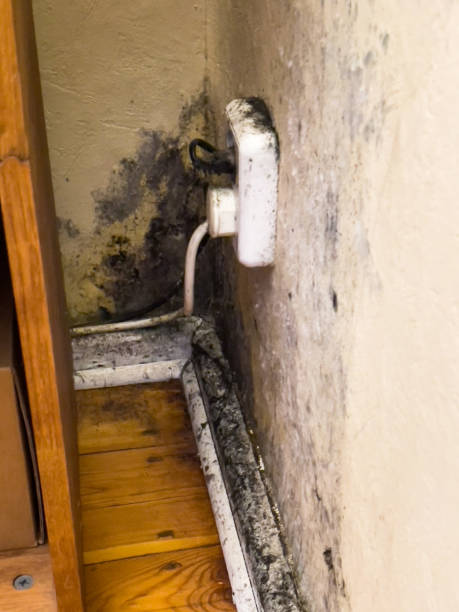
You open the closet in the finished basement and the smell hits you first. Musty, a little sweet, hard to ignore. Then you see the dark freckles along the baseboard, and the dehumidifier that’s been running nonstop suddenly looks like a clue. If you’re looking into mold removal methods Ridgewood NJ homeowners rely on, you’re in the right place.
We’re PuroClean of Ridgewood, and we do this work every week. This is the main guide in our six town mold series, so it covers the full process, the estimate and the line between DIY and professional help. Our other guides go deeper on kits, equipment, wood, bathrooms and household cleaners.
Mold Removal Methods
Every effective mold removal method follows the same order: fix the moisture, control the area, remove or clean the growth, dry everything and confirm the result. Skipping the first step is the most common reason mold returns.
The EPA puts it simply in its homeowner guide: the key to mold control is moisture control. You can read it in A Brief Guide to Mold, Moisture and Your Home. Cleaning a wall while a pipe still drips behind it is like mopping while the tub overflows.
Why Moisture Comes First for Mold Removal Methods
Mold needs water, so we start by finding where it comes from. That may be a plumbing leak, a roof or window leak, a damp foundation, or steady condensation. Humidity matters too, because a closed up basement can stay damp even without a visible leak.
Once the source is stopped, drying becomes the real work. According to the EPA, drying wet materials within 24 to 48 hours helps prevent mold growth. After that window, growth becomes more likely, which is why speed matters after any water event.
Professional Mold Removal Methods Step by Step
Professional mold removal starts with an inspection, moves to containment, then cleaning or removal, drying and a final check. The details depend on the material and the size of the problem.
First, we inspect with moisture meters and thermal imaging to see how far dampness has spread, including behind finished walls. Next, we set up containment, usually plastic barriers, so spores don’t drift into clean rooms.
Air filtration with HEPA equipment helps capture particles in the work area. Then we remove materials that can’t be cleaned and clean what can be saved. Finally, we dry the structure and verify moisture levels before rebuilding.
Industry standards guide this work. The IICRC S520 standard covers professional mold remediation, and our technicians are IICRC certified.

When Materials Must Be Replaced
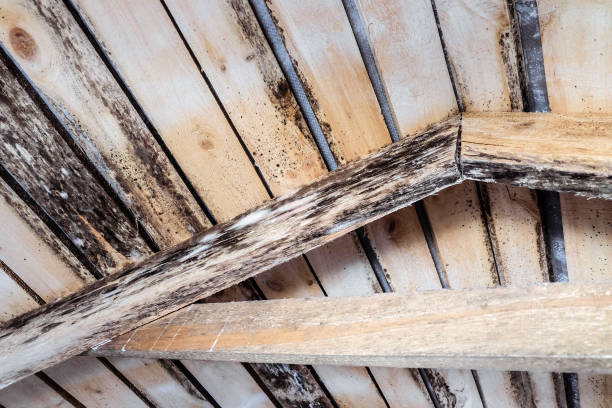
Porous materials such as drywall, ceiling tile, insulation and carpet often can’t be cleaned well once mold grows deep inside them. The EPA notes that absorbent or porous materials may have to be thrown away. Solid wood framing, on the other hand, can often be cleaned and kept if it’s still sound.
That difference explains why two jobs with the same sized stain can look very different. A patch on tile may be a wipe down, while the same patch on wet drywall may mean cutting out a section.
Estimate of Mold Removal Methods: What to Expect and What to Ask
A trustworthy mold removal estimate comes from an on site visit, not a phone guess. The price depends on the size of the affected area, the materials involved, how hard they are to reach and how much drying and rebuilding is needed.
We don’t publish prices in blog posts, and you should be wary of websites that do. Some show tidy cost tables that have nothing to do with your house. A real estimate comes from someone standing in your basement with a moisture meter.
During the visit, we look at the visible mold, check for hidden moisture and explain what we find in plain words. Ask what is included, such as containment, air filtration, material removal, drying and cleaning. Also ask whether rebuilding is part of the quote and how the company will confirm that the work is done. You can request an on site estimate through our contact page.
Do You Need Mold Testing First?
Often not. The EPA’s homeowner guidance generally says that if you can see or smell mold, sampling usually adds little, because you should clean it up and fix the moisture either way. Testing may help in special situations, such as a suspected hidden problem or a dispute, and a qualified professional can advise.
If someone pushes testing before they’ve even looked at the moisture problem, ask why.
Mold Removal Methods You Can Handle Yourself
You may be able to clean a small patch yourself if it’s under about 10 square feet and sits on a hard surface. That’s the EPA’s rule of thumb, roughly a three foot by three foot area.
For small hard surface jobs, the EPA’s guidance centers on scrubbing with detergent and water, drying the area completely and fixing the moisture source. Wear gloves, eye protection and at least an N95 respirator. Never mix bleach with ammonia, since toxic fumes can result. Also remember that routine use of bleach or other biocides isn’t recommended by the EPA.
But here’s the question: when should you stop? Stop if the area is larger than 10 square feet, if mold keeps coming back, if the water came from sewage, or if someone in the house has asthma or a weakened immune system. In those cases, call a professional.
Ridgewood Homes and Mold Removal Methods: Local Notes
Many Ridgewood homes have basements, crawl spaces and older bathrooms, and each can hold moisture quietly. Finished basements deserve special attention, because carpet, drywall and stored boxes can hide a problem for months.
After heavy storms, check low corners, window wells and the area behind furniture on exterior walls. Notice musty smells in closets and under stairs. Our Ridgewood service area page shows what we handle locally, and our mold removal and remediation service page explains the process.
If mold followed a leak or flood, our water damage mitigation team can handle the drying as well.
Where Our Other Mold Guides Go Deeper
This guide covers the big picture.
Our Westwood guide explains the professional equipment behind a safe cleanup, including HEPA filtration and drying gear.
Park Ridge’s guide looks at mold removal kits and what they can and can’t do.
Emerson’s guide covers mold on wood framing, floors and decks.
Waldwick’s guide takes on bathrooms, and
Midland Park’s guide compares vinegar and hydrogen peroxide for small jobs.
Mold Removal Methods in Ridgewood NJ FAQ
What are the best mold removal methods?
The best approach fixes the moisture first, then cleans or removes the growth and dries the area. The right method depends on the material and the size of the problem.
How does a mold removal estimate work?
An on site visit lets a technician measure moisture and inspect the area. The estimate reflects the size, materials, access and the drying or rebuilding needed.
Can I remove mold myself?
Small patches on hard surfaces, under about 10 square feet, may be manageable. Larger areas, sewage related mold and hidden growth need a professional.
Do I need a mold test before removal?
Usually not when mold is visible. A professional can tell you whether testing would help in your case.
Does insurance cover mold removal?
Sometimes, depending on your policy and the cause. Coverage often depends on whether the mold followed a sudden, covered water event, so ask your agent.
Also Serving Nearby: PuroClean in Hackensack
If you live closer to Teaneck, Paramus, Englewood or Fort Lee, our friends at PuroClean Mitigation and Restoration Services in Hackensack may be nearer. Call them at (201) 261 0162 or visit their Hackensack page.
Contact Us Today for Mold Removal Methods
Finding mold is stressful, but you don’t have to guess your way through it. PuroClean of Ridgewood is here 24/7, and we’ll explain every step in plain words. Call (551) 751 1288 or contact us online for an on site estimate.