 PuroClean of Ridgewood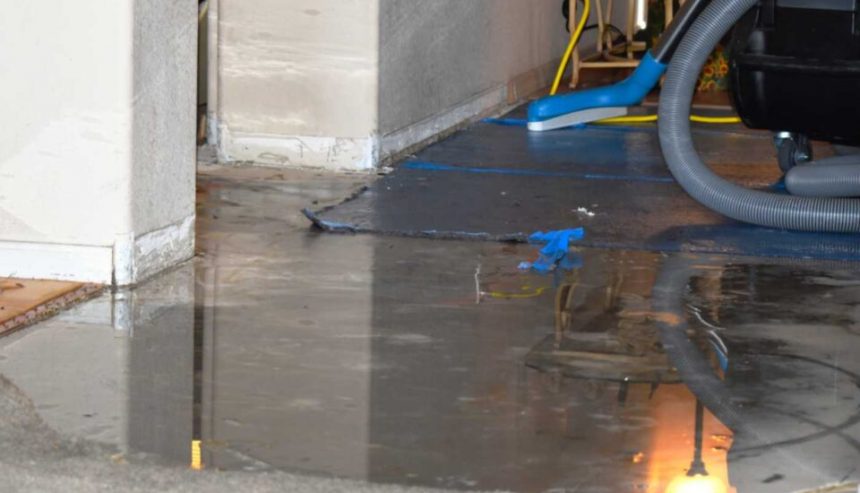
Water Restoration Addresses More Than Visible Water
When water enters a property, the first concern is often removing what can be seen. Standing water on floors or soaked carpets signal a problem that needs immediate attention. However, water restoration extends far beyond surface level cleanup. In homes throughout Hawthorne and Westwood, water often travels beneath flooring, behind walls, and into insulation before it becomes visible.
Water restoration focuses on identifying how moisture has spread and stabilizing the environment before damage progresses further. Without a structured restoration process, moisture remains active and continues affecting materials long after surfaces appear dry.
Appliance Failures Are a Common Source of Water Damage
Appliance related water damage is one of the most frequent causes of water restoration calls in North Jersey. Washing machines, dishwashers, water heaters, and refrigerator supply lines can fail unexpectedly, releasing large amounts of water in a short time. Because these appliances are often located near walls or inside cabinets, leaks may go unnoticed until damage spreads.
Water restoration following appliance failures involves assessing surrounding materials and determining how far water has migrated. Addressing these areas early reduces the likelihood of damage spreading to adjacent rooms.
Flooding Creates Widespread Moisture Challenges
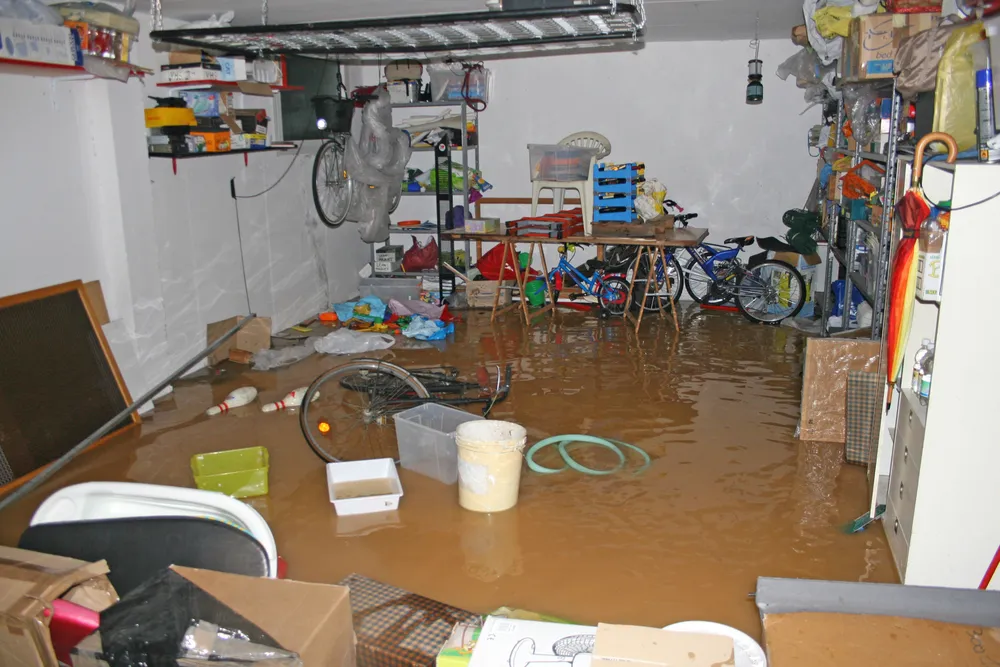
Flooding introduces water that often carries debris and contaminants. Basements and lower levels in Hawthorne and Westwood homes are particularly vulnerable during heavy rain events or drainage failures. Floodwater can saturate floors, walls, and structural components rapidly.
Water restoration after flooding focuses on removing water quickly and drying affected materials thoroughly. Controlling moisture early helps prevent deterioration of building materials and reduces the risk of microbial growth.
Drying Requires More Than Time and Airflow
Allowing a property to dry naturally is rarely effective, especially in areas with seasonal humidity. Materials like drywall, wood framing, and insulation hold moisture deep within their structure. Without proper drying equipment and monitoring, moisture can remain trapped for extended periods.
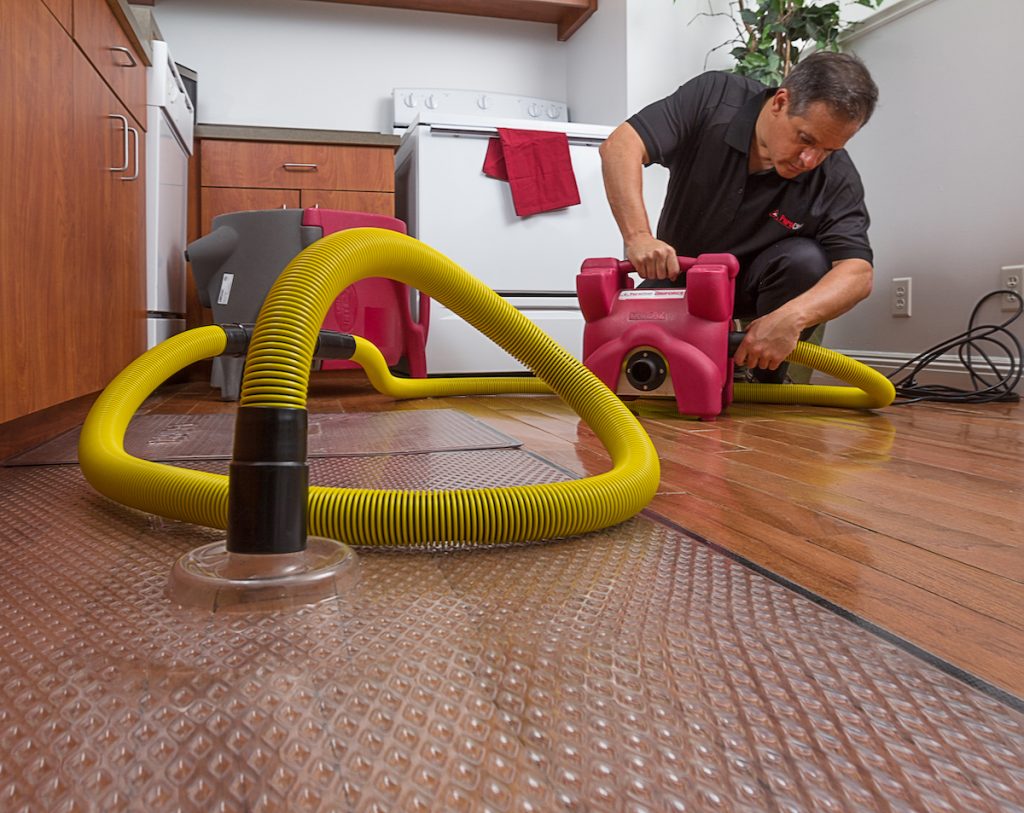
Water restoration uses controlled drying techniques to remove moisture evenly and efficiently. Monitoring ensures materials reach safe moisture levels before restoration progresses.
Hidden Moisture Leads to Secondary Damage
One of the most significant risks following water intrusion is hidden moisture. Areas that appear unaffected may still be saturated, allowing damage to continue unseen. Over time, this moisture can lead to odors, weakened materials, and mold growth.
Water restoration relies on moisture detection to identify these hidden areas. Addressing them early prevents secondary damage and protects the integrity of the structure.
Water Restoration Protects Long Term Property Value
Water damage disrupts daily life and threatens the condition of a property. Proper water restoration limits damage, shortens recovery time, and reduces the need for extensive repairs. In communities like Hawthorne and Westwood, where homes represent significant investments, early restoration helps protect both comfort and value.
When flooding or appliance related water damage affects a property, understanding the importance of water restoration helps guide the next steps. If moisture intrusion has occurred and there is uncertainty about the extent of damage, you can contact us to assess the situation, determine how far water has spread, and begin the restoration process before additional damage develops.

 PuroClean of Ridgewood