


Water emergencies rarely give warnings. A burst pipe at night, a leaking roof during a storm, or an appliance failure can interrupt daily life within minutes. For homeowners and business owners alike, the confusion that follows can feel overwhelming. Knowing what actually happens after water enters a space helps reduce panic and sets realistic expectations.
This blog breaks down how professionals approach recovery, focusing on clarity rather than technical jargon. By understanding each stage, property owners can feel more prepared and confident when facing unexpected water-related situations.
What is Water Damage
Water-related incidents can vary widely depending on the source, duration, and materials involved. Clean water from a broken supply line behaves very differently from water introduced through flooding or backup situations. Data from the National Centers for Environmental Information shows that California has experienced decades of costly weather and climate events, including repeated flooding and severe storms, underscoring how often water exposure affects properties across the state.
In areas like Rocklin, shifting weather patterns combined with aging infrastructure can influence how quickly damage spreads and how deeply moisture travels. What may initially appear as a minor surface issue can move beneath floors or behind walls, creating complications that are not immediately visible. Understanding the nature of water exposure is essential for choosing the right response and limiting longer-term structural or indoor air concerns.
Understanding the Complete Water Damage Restoration Process
The full water damage restoration process follows a structured path designed to control moisture, protect materials, and stabilize the property. Rather than a single action, it is a coordinated sequence of steps that build on one another. Each phase is monitored and adjusted based on moisture readings and material response.
This approach is commonly used for residential and commercial spaces dealing with water damage Rocklin CA, properties that experience it due to plumbing failures, storms, or equipment malfunctions. To explore how these steps connect with available water damage restoration services, readers can refer to our blog for a more detailed local perspective.
Initial Inspection and Damage Assessment
Once professionals arrive, the first task is a thorough inspection. This step involves identifying the source of the water, determining how far it has traveled, and classifying the level of contamination. Advanced tools such as moisture meters and thermal imaging cameras help locate water hidden behind surfaces.
Accurate assessment ensures that the restoration plan is tailored to the building’s layout and materials. Without this step, drying efforts may miss concealed pockets of moisture that later cause complications.
Water Removal and Extraction
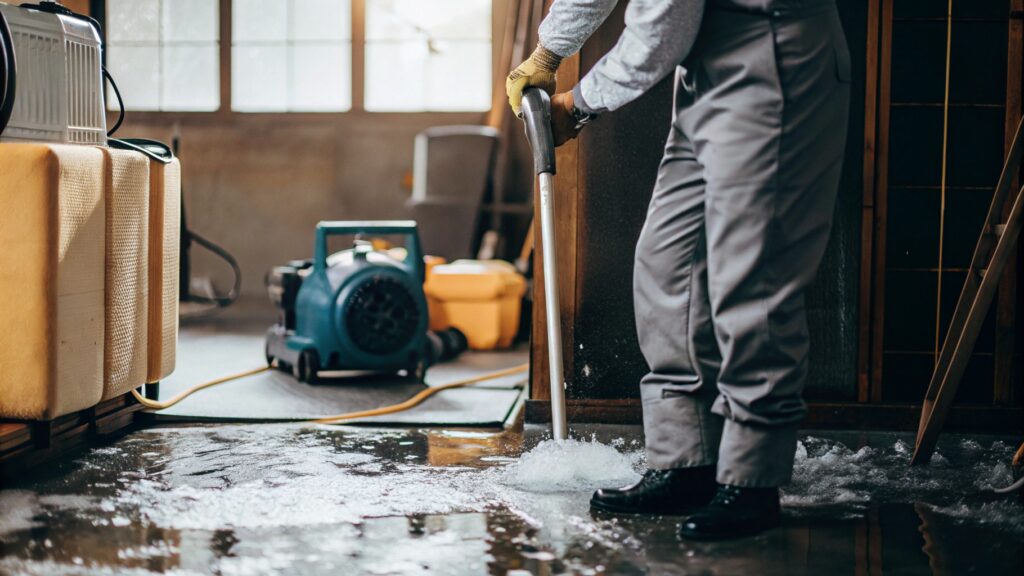
After assessment, standing water is removed using high-powered pumps and vacuums. Acting quickly during this stage helps limit how much water seeps deeper into floors, walls, and structural components. This step is often the most visually noticeable part of water damage restoration, as large volumes of water are physically extracted from the space. Efficient removal at this point helps shorten the overall drying process and reduces the chance of further material saturation.
Moisture Detection and Drying Setup
Once visible water is gone, attention turns to moisture that cannot be seen. Floors, drywall, insulation, and substructures often retain water long after extraction. Specialists strategically place air movers and dehumidifiers to target these areas.
This phase is particularly important for properties affected by water damage Rocklin CA, conditions, where temperature fluctuations can slow natural evaporation. Equipment placement is adjusted based on continuous moisture readings to ensure balanced airflow.
Structural Drying and Dehumidification
Drying is not a one-day task. Structural components such as framing and subfloors require controlled conditions to release trapped moisture safely. Dehumidifiers pull excess humidity from the air, preventing it from settling back into materials. During this phase of water damage restoration, professionals monitor progress daily, making changes to equipment placement as needed. This careful approach helps maintain material stability and reduces the likelihood of warping or weakening.
Cleaning, Sanitizing, and Odor Control
After drying, surfaces such as floors, walls, and furnishings are cleaned to help reduce indoor air concerns. The Environmental Protection Agency (EPA) notes that materials left wet for more than 24 to 48 hours can develop mold, so items that cannot be properly cleaned and dried are typically removed.
Cleaning is completed before applying disinfectants, and ventilation is maintained to limit airborne particles and lingering odors. The EPA advises confirming that cleanup and drying are complete before reoccupying the space.
Repair, Restoration, and Final Checks
The final stage focuses on restoring the space to its pre-incident condition. This may involve replacing drywall, reinstalling flooring, or repairing trims and fixtures. Minor repairs are often handled immediately, while larger rebuilds may follow a separate schedule. A final inspection confirms that moisture levels are within safe ranges and that all affected areas have been addressed. Completing this step ensures the water damage restoration process is truly finished, not just visually improved.

How to Choose the Right Water Damage Restoration Professionals
Selecting the right team can influence how smoothly the entire process unfolds. A reliable provider communicates clearly, explains each step, and uses proper monitoring tools. Before committing, it helps to look for specific indicators of professionalism.
Helpful tips:
- Verify certifications and training credentials
- Ask about moisture monitoring methods
- Check experience with local property types
- Review response time availability
Taking these steps can help ensure that the water damage Rocklin CA properties face is handled efficiently and responsibly.
Conclusion
Water-related incidents can feel disruptive, but understanding the steps involved brings clarity. From inspection to final repairs, each phase serves a purpose. Knowing what happens during recovery allows property owners to move forward with greater confidence and peace of mind.
For those dealing with water damage Rocklin CA properties may experience, being informed helps reduce uncertainty during an already stressful time. Reviewing the restoration process in advance can make it easier to recognize what support may be needed. When questions arise, exploring reliable local resources or professional guidance can help ensure the situation is addressed thoroughly.
FAQ
Q1. How long does the water damage restoration process usually take?
A: Most projects take between several days and a week, depending on the amount of water and affected materials.
Q2. Can water damage spread even after the source is fixed?
A: Yes. Moisture can remain trapped inside structures, which is why professional drying and monitoring are essential.
Q3. Is restoration different for homes and businesses?
A: The steps are similar, but commercial spaces often require larger equipment and more coordination due to size and usage needs.