 PuroClean of Romeoville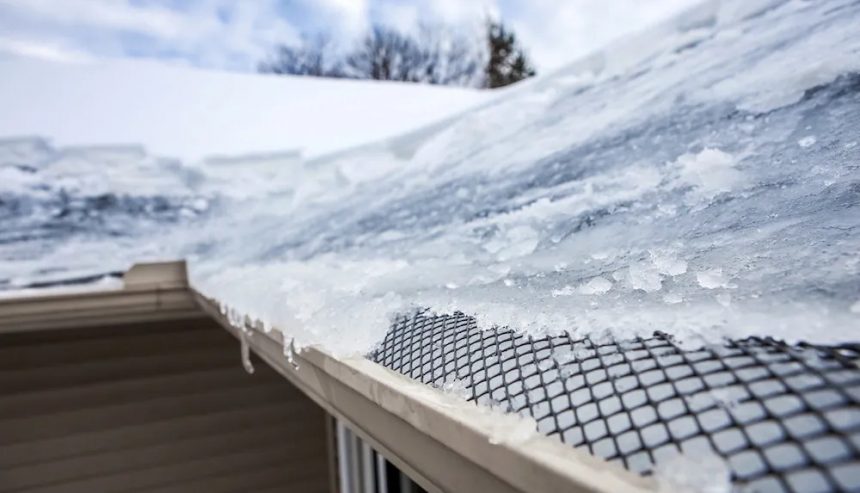
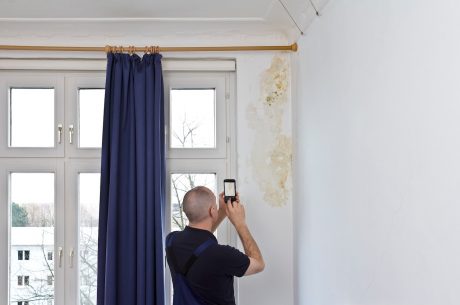
When temperatures drop, many homeowners assume mold is less of a threat. After all, mold thrives in warm, damp environments—so winter should slow it down, right? Unfortunately, mold growth in winter is extremely common, especially in homes with poor ventilation, elevated humidity, or unresolved water leaks. As we tightly seal our homes to keep the cold air out, we also trap indoor moisture, creating the perfect breeding ground for mold during the winter months.
Understanding why mold grows in winter and taking preventive steps early can help protect your home, your air quality, and your family’s health. Below are practical, effective strategies to stop winter mold before it starts.
Why Mold Thrives During Winter
Winter conditions often create a combination of moisture and stagnant air—both ideal for mold growth. Some of the most common winter mold triggers include:
- Increased condensation on windows, cold walls, and floors
- Closed homes with limited ventilation
- Humidifiers running too high
- Snowmelt leading to roof or basement leaks
- Frozen or burst pipes causing hidden water damage
Because mold can begin growing within 24–48 hours, even small moisture issues in winter can quickly become major problems.
1. Maintain Proper Indoor Humidity Levels
To prevent mold growth, aim to keep indoor humidity below 60%, with the ideal range being 35% to 45%. This humidity zone reduces condensation on cold surfaces and makes the home less inviting for mold spores.
- Use a dehumidifier in damp areas like basements or laundry rooms.
- If you use a humidifier, monitor it closely so humidity doesn’t unintentionally rise too high.
- Hygrometers (humidity meters) are inexpensive and extremely helpful for winter monitoring.
2. Increase Regular Cleaning to Reduce Mold Food Sources
Mold feeds on organic materials, including dust, dirt, paper, and even fabric. During winter—when windows stay closed and indoor air recirculates—these materials build up faster.
- Vacuum and dust frequently, especially in carpeted rooms.
- Clean moisture-prone spaces such as bathrooms, kitchens, and basements with mold-resistant products.
- Wash shower curtains, bathmats, and other damp textiles often.
A cleaner indoor environment leaves mold with fewer places to take hold.
3. Improve Ventilation Throughout Your Home
Proper ventilation is one of the most important steps in preventing mold growth in winter. Activities such as showering, cooking, and washing dishes release warm moisture into the air, which condenses on cold surfaces.
To improve airflow:
- Use exhaust fans in the bathroom, kitchen, and laundry room.
- Open windows for a few minutes daily to release trapped humidity—even in cold weather.
- Ensure vents are not blowing warm air into enclosed spaces like the attic or crawl space, where moisture can accumulate unnoticed.
4. Use Washable Rugs in Moisture-Prone Areas
Washable rugs dry more quickly and help prevent mold from growing underneath them. Avoid wall-to-wall carpeting in entryways, bathrooms, or basements—these areas are especially vulnerable to winter moisture from snow, boots, dripping clothing, or condensation.
5. Store Belongings in Dry Locations
Items like books, paper, cardboard boxes, and clothing are prime mold food sources. During winter, keep them away from humid areas such as:
- Basements
- Kitchens
- Bathrooms
- Utility rooms
Store belongings in airtight bins or place them in the driest areas of your home.
6. Inspect and Maintain Your Roof, Gutters, and Downspouts
Winter storms can cause ice dams, clogged gutters, and leaking roofs—all major contributors to mold growth.
To protect your home:
- Keep gutters and downspouts clear of debris.
- Ensure water drains away from the foundation.
- Fix roof leaks immediately to prevent moisture from seeping into insulation and walls.
Addressing roof issues early helps prevent mold from forming in attics or behind walls.
7. Address Basement Moisture Quickly
Basements are especially prone to winter mold because cold surfaces attract condensation.
Steps to prevent basement mold:
- Repair leaking pipes or foundation cracks as soon as they’re detected.
- Use a dehumidifier to control moisture.
- Have a professional inspect your drainage system if you notice water pooling or a persistent damp smell.
8. Improve Crawl Space Protection
Crawl spaces can trap cold, moist air during winter.
To reduce mold risk:
- Cover the soil with a moisture barrier, such as waterproof polyethylene plastic.
- Ensure proper ventilation and keep vents open in the winter to allow airflow.
9. Ensure Proper Grading Around the Foundation
If the soil around your home slopes toward the foundation, melting snow and rain will pool instead of draining away. This increases the risk of basement leaks and eventual mold growth.
Regrading or landscaping adjustments can dramatically reduce winter moisture issues.
10. Insulate Pipes to Prevent Freezing and Bursting
Frozen pipes can burst and cause extensive water damage—an ideal environment for mold to flourish.
Prevent water damage from pipes and appliances! Protect pipes located in:
- Attics
- Crawl spaces
- Basements
- Garages
- Unheated utility rooms
Pipe insulation is inexpensive and can prevent costly mold remediation later.
Keep Your Indoor Air Clean During Winter
Winter is also the time when indoor allergens and pollutants increase. To learn more about maintaining fresh, healthy indoor air, click here for additional tips.
Professional Mold Removal in Romeoville, Joliet, Plainfield & Naperville
If mold does appear, don’t wait — timely mold mitigation prevents more serious contamination and structural damage. If you find some mold – even a small spot—addressing it quickly is essential. For professional mold removal services in Woodridge, IL, Joliet, Plainfield, Naperville, and the surrounding areas, call PuroClean Romeoville at 815-905-2225.
Our team specializes in mold remediation, water removal, and preventing moisture issues before they become major winter hazards.


 PuroClean of Romeoville