 PuroClean of Round Rock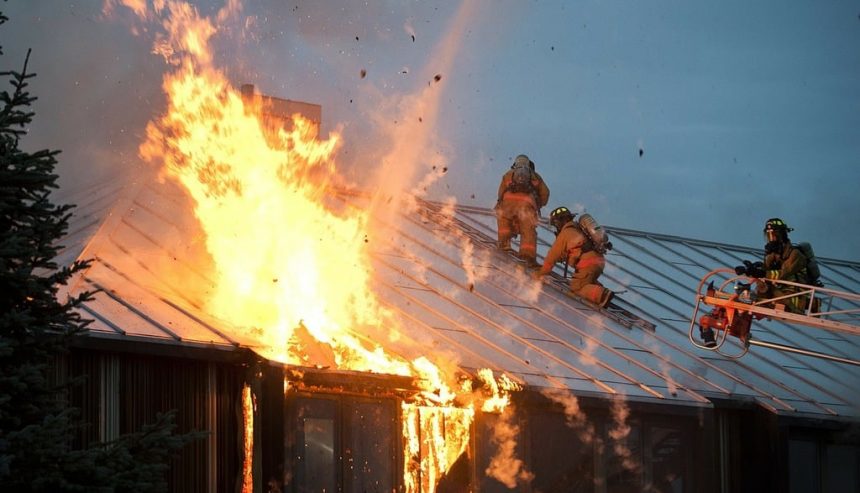
Texas has different areas with unique fire challenges due to climate and land use. Pine forests in the east had frequent fires in the past, while the Blackland Prairies had big fires every 3-7 years, and the Rolling Plains had fires every 20-30 years. These patterns changed due to strict fire control in the 20th century. Now, state organizations are encouraging landowners to adopt better fire risk strategies.
In 2022, there were 374,300 residential building fires in the United States. These fires resulted in $10.8 billion in property damage. Cooking was the leading cause of home fires, accounting for 47.7% of incidents.
Insurance companies have been increasingly cautious about residential fire claims due to the rising frequency and severity of wildfires. Here are some key points from their perspective:
- Stricter Documentation: Insurers now require more detailed documentation of losses, including before-and-after photos and comprehensive lists of damaged items. This helps them verify claims more accurately.
- Increased Deductibles: Some policies have higher deductibles for fire-related claims, which means homeowners need to pay more out-of-pocket before insurance coverage kicks in.
- Claim Denials: There has been a rise in the number of denied claims, often due to technicalities such as inadequate documentation, policy lapses, or failure to maintain defensible space around properties.
- Longer Processing Times: Due to the high volume of claims, especially after major wildfires, processing times have increased, sometimes taking months or even years to resolve.
- Focus on Prevention: Insurance companies emphasize the importance of fire prevention measures, such as maintaining defensible space, installing fire-resistant materials, and adhering to local fire safety regulations.
- Financial Impact: Wildfires have cost insurers billions of dollars in recent years, leading them to take steps to manage their financial risk, including minimizing payouts and delaying claims.
The most common causes of home fires in Texas include:
- Cooking: This is the leading cause of home fires. Unattended cooking, especially on stovetops, often leads to fires.
- Heating Equipment: Space heaters, fireplaces, and other heating equipment are a significant cause, especially during the colder months.
- Electrical Fires: Faulty wiring, overloaded circuits, and malfunctioning electrical appliances can lead to fires.
- Smoking: Fires caused by cigarettes, cigars, and other smoking materials are a common cause, particularly when left unattended.
- Candles: Unattended candles can easily ignite nearby flammable materials.
Fire prevention tips to help keep your home and loved ones safe:
- Install Smoke Alarms: Ensure smoke alarms are installed on every level of your home, inside bedrooms, and outside sleeping areas. Test them monthly and replace batteries at least once a year.
- Maintain Heating Equipment: Have your heating system, chimneys, and vents inspected and cleaned annually by a qualified professional. Keep space heaters at least three feet away from anything that can burn.
- Be Cautious with Cooking: Never leave cooking unattended. Keep flammable items, such as towels and wooden utensils, away from the stove. Use a timer to remind you when food is cooking.
- Handle Electrical Equipment Safely: Avoid overloading outlets and extension cords. Replace damaged or frayed cords immediately. Have a qualified electrician check your home’s wiring if you experience frequent electrical issues.
- Use Candles with Care: Keep candles away from flammable materials and never leave them unattended. Use candle holders that won’t tip over easily and extinguish candles before leaving the room or going to bed.
- Store Flammable Materials Safely: Keep flammable liquids, such as gasoline and paint, in approved containers and store them in well-ventilated areas away from heat sources.
- Create Defensible Space: If you live in a wildfire-prone area, maintain a defensible space around your home by clearing dry vegetation, trimming trees, and keeping your lawn hydrated.
- Install Fire Sprinklers: Consider installing a home fire sprinkler system for an added layer of protection. Sprinklers can control or extinguish a fire before the fire department arrives.
- Plan and Practice an Escape Route: Create a fire escape plan with at least two ways out of every room. Practice the plan regularly with your family, including a designated meeting place outside your home.
- Educate Your Family: Teach everyone in your household about fire safety, including how to use a fire extinguisher.
Sources:
- https://wfca.com/wildfire-articles/texas-fire-season/?form=MG0AV3#pp-toc-6x9tjk18rl5u-anchor-4
- https://www.usfa.fema.gov/statistics/states/texas.html?form=MG0AV3
- https://www.insurancecouncil.org/out-to-alarm-texas-5-common-home-fire-hazards/?form=MG0AV3
- https://attorneybrianwhite.com/blog/5-leading-causes-of-house-fires-in-texas/?form=MG0AV3
Contact PuroClean of Round Rock today for professional fire damage restoration.
 PuroClean of Round Rock