


Table of Contents
Cork flooring is an eco-friendly, comfortable option that adds warmth and texture to any home or business. However, due to its porous nature, it’s particularly vulnerable to water damage. Quick action is crucial to prevent permanent damage if your cork flooring suffers water damage. At PuroClean of Rowland Heights, we specialize in cork flooring water damage restoration and have the experience to restore your floors and mitigate long-term damage.
Why Cork Flooring Is Vulnerable to Water Damage
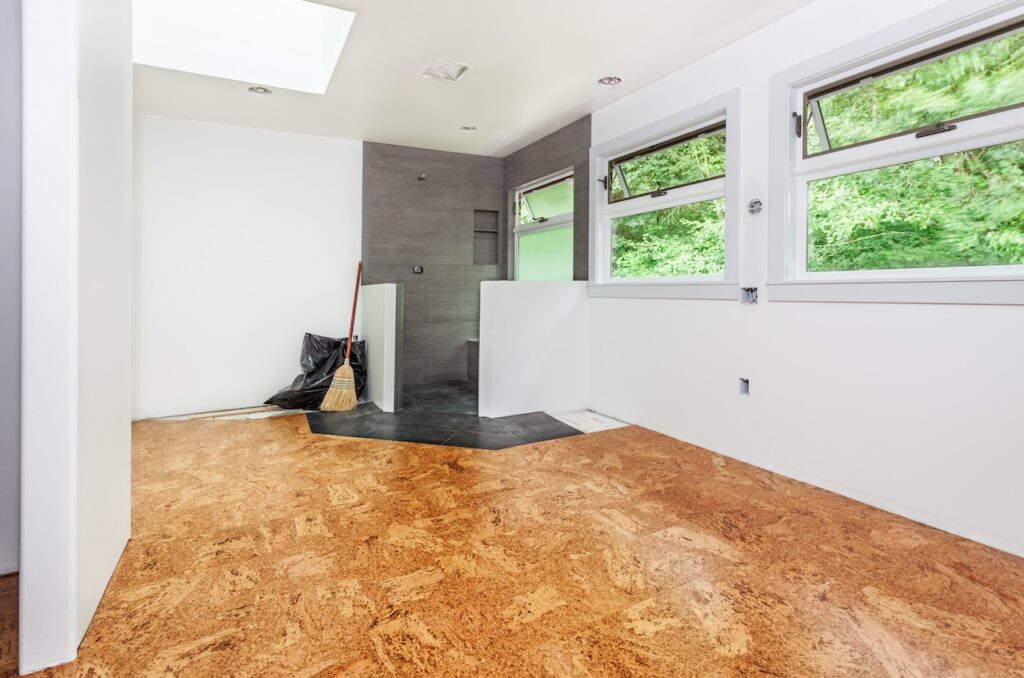
Due to its porous construction, cork is very susceptible to water damage.
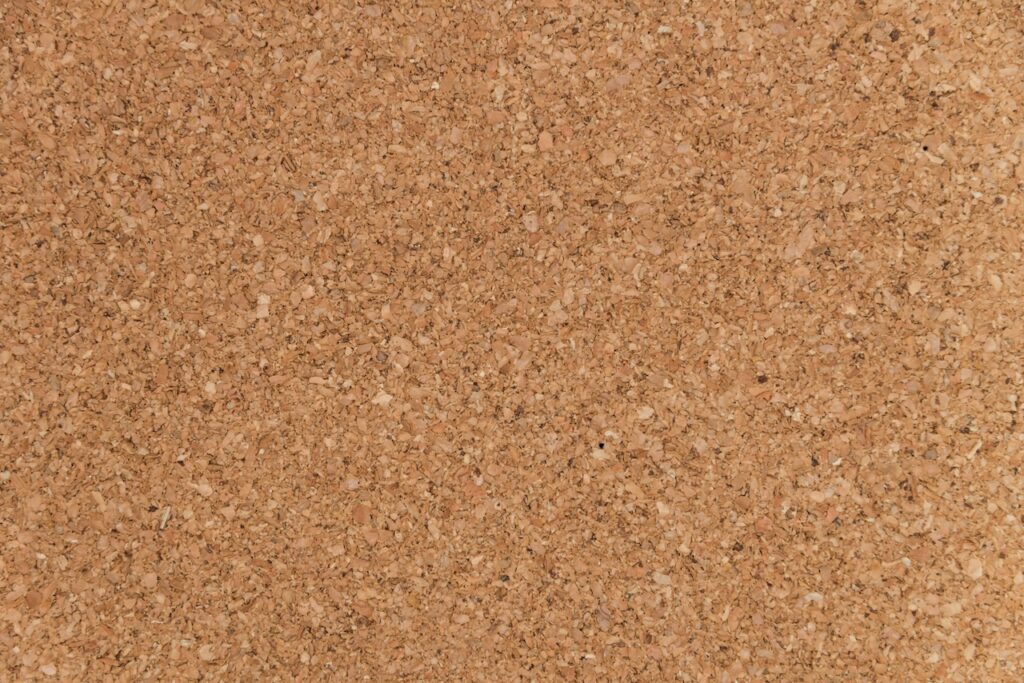
Cork is a natural, renewable material made from the bark of cork oak trees. Its cellular structure contains tiny air pockets that give it elasticity, insulation, and soundproofing. However, those same air pockets make it highly absorbent, meaning cork can soak up water quickly if not sealed properly.
In homes around Rowland Heights, Hacienda Heights, and Walnut, cork flooring is often used in kitchens, living rooms, and offices. Unfortunately, plumbing leaks, appliance malfunctions, and even heavy humidity can cause serious cork flooring water damage.
When exposed to water for too long, cork may:
- Swell or warp, causing uneven flooring.
- Discolor or darken as moisture seeps into the material.
- Develop mold or mildew, especially underneath the tiles.
- Lose adhesion to the subfloor, leading to buckling.
Because damage can worsen quickly, fast action is critical. Professional restoration ensures the water source is identified, moisture is removed, and the flooring is properly restored to prevent long-term deterioration.

Moisture meters can detect even a small amount of moisture build-up.
How to Identify Cork Flooring Water Damage
Water damage isn’t always visible at first glance. Subtle signs often appear before major issues develop. If you suspect water exposure, look for the following indicators:
- Swelling or bulging tiles that feel soft underfoot.
- Discoloration or patches of darkened cork.
- A musty odor that signals trapped moisture or mold.
- Peeling finish or bubbling edges around seams.
At PuroClean of Rowland Heights, our technicians use moisture detection tools like infrared imaging and digital meters to identify hidden moisture beneath the surface. These tools allow us to determine whether sections can be salvaged or if replacement is necessary.
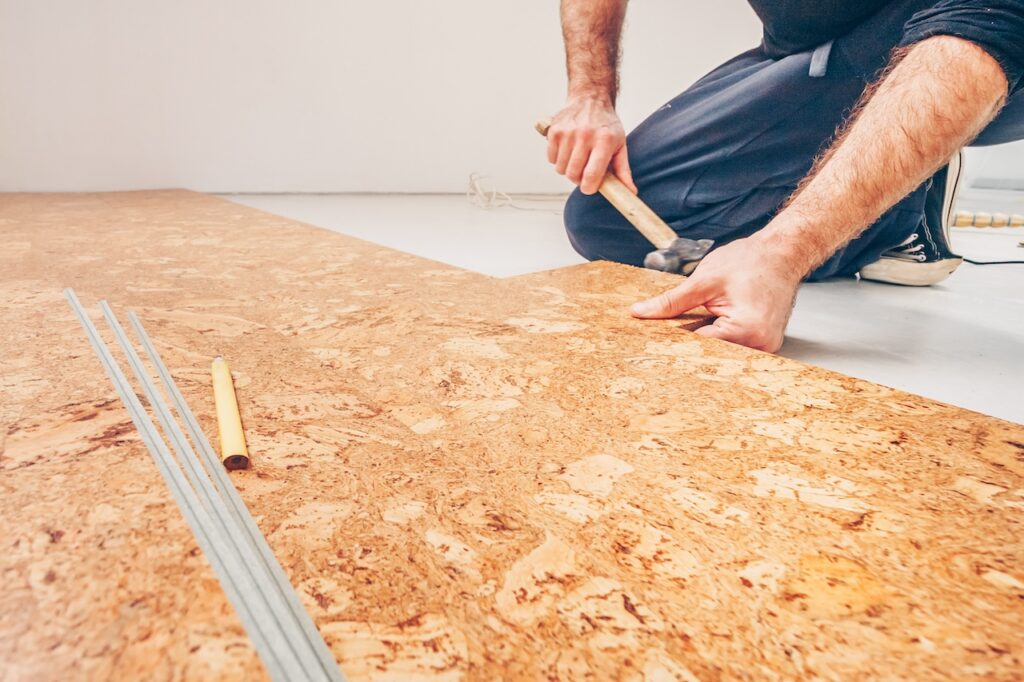
Routine care and problem management can alleviate big bills down the road.
Step-by-Step Process
Repairing cork flooring water damage takes precision and care. Because cork is so absorbent, each stage—from inspection to refinishing—must be handled correctly to prevent further harm. At PuroClean of Rowland Heights, we follow a five-step restoration process that ensures your floors are dried, cleaned, and repaired properly for lasting results.
Step 1: Assessing the Extent of Damage
The first step in restoring water-damaged cork flooring is assessing how deep the water has penetrated. Cork tiles or planks that have absorbed too much moisture may lose their structural integrity, making replacement the safer option.
During our inspection, we:
- Check subfloor moisture levels.
- Identify the water source (plumbing leak, flood, or humidity).
- Evaluate how long the floor has been exposed.
Quick detection is key. The longer cork remains wet, the higher the risk of mold growth, odors, and permanent warping.
Step 2: Drying the Flooring and Subfloor
Once the extent of the damage is known, thorough drying begins. Cork flooring requires a controlled drying process because rapid temperature or humidity changes can worsen damage.
Our certified technicians at PuroClean of Rowland Heights use industrial-grade dehumidifiers, air movers, and negative air systems to draw moisture out gradually. In some cases, we lift sections of flooring to allow airflow underneath.
We also monitor humidity throughout the process using specialized sensors to ensure that both the cork and the subfloor dry evenly. This step helps prevent secondary damage like mold or warping, which can occur even days after the water source is removed.
Step 3: Cleaning and Sanitizing
After drying, cleaning and sanitizing the affected area is essential. Cork flooring can trap bacteria and organic matter if exposed to contaminated water from floods, sewage backups, or broken pipes.
Our restoration process includes:
- Disinfecting with safe, eco-friendly cleaning agents that protect cork’s surface.
- Removing mold or mildew using EPA-approved antimicrobial treatments.
- Deodorizing the area to eliminate musty odors caused by water exposure.
This step not only restores appearance but also ensures a healthy indoor environment—especially important for families and allergy-sensitive residents in Rowland Heights.
Step 4: Repairing or Replacing Cork Flooring
Once the floor is dry and sanitized, the next step is repairing or refinishing it. The method depends on how severe the damage is.
- For minor water exposure: Light sanding can smooth out minor swelling or surface imperfections. After sanding, applying a fresh sealant or finish adds moisture resistance and brings back the floor’s natural shine.
- For moderate damage: Individual planks or tiles that are warped or stained may need replacement. Professionals carefully remove damaged sections and install matching pieces for a seamless appearance.
- For severe water damage: If moisture has deeply penetrated the cork and subfloor, full replacement may be necessary. In this case, the old flooring is safely removed, the subfloor is dried and disinfected, and new cork flooring is installed and sealed for protection.
At PuroClean of Rowland Heights, we ensure each step is handled with precision—matching color, texture, and finish to make repairs virtually invisible.
Step 5: Refinishing and Resealing
Cork flooring must always be properly sealed to resist future moisture. After repairs, the entire surface is refinished using water-resistant polyurethane or wax-based sealants. This protective coating prevents liquid absorption while allowing cork to maintain its flexibility and natural look.
For high-moisture areas like kitchens or bathrooms, we often recommend multiple coats of sealant or switching to floating cork flooring systems with built-in water barriers.
How to Prevent Cork Flooring Water Damage
Prevention is just as important as restoration. By following a few simple steps, you can extend the lifespan of your cork floors and reduce the risk of water-related issues.
- Fix leaks immediately: Even small plumbing leaks can lead to significant damage if ignored. Regularly check under sinks, around appliances, and along baseboards.
- Maintain proper ventilation: Use exhaust fans in humid areas like kitchens and bathrooms to reduce condensation and moisture buildup.
- Use mats and area rugs: Place absorbent mats near entryways, sinks, and dishwashers to catch drips or spills before they reach the cork.
- Reapply sealant regularly: A fresh layer of waterproof sealant every few years keeps your flooring protected against accidental spills.
- Clean with care: Avoid soaking the floor when cleaning. Instead, use a slightly damp mop and pH-neutral cleaner designed for cork surfaces.
For more moisture control tips, consult the Environmental Protection Agency (EPA) guide on preventing mold and moisture in buildings
Conclusion: Protecting Your Cork Flooring for the Future
Cork flooring offers natural beauty, warmth, and eco-friendly comfort—but it requires careful maintenance when exposed to water. Understanding how to handle cork flooring water damage quickly can prevent permanent loss and expensive repairs.
If you’re in Rowland Heights, CA, and notice swelling, stains, or moisture under your cork floors, don’t wait. Trust PuroClean of Rowland Heights to provide expert restoration backed by professional tools, proven drying methods, and years of local experience.
Call (626) 923-9992 today for immediate service and restore your cork flooring to its original beauty.
Frequently Asked Questions (FAQ)
1. Can cork flooring be repaired after water damage?
Yes, if treated quickly. Minor swelling or discoloration can often be sanded, resealed, and restored. Severe cases may require plank replacement.
2. How long does it take to dry cork flooring?
Drying can take several days, depending on the extent of moisture. Professional-grade dehumidifiers help speed up the process safely.
3. Will cork flooring mold after water exposure?
Yes, if moisture remains trapped. That’s why professional drying and antimicrobial treatment are essential.
4. Should I reseal cork flooring after restoration?
Absolutely. Resealing prevents future water absorption and prolongs the floor’s life.
5. Does homeowners insurance cover cork flooring water damage?
Most policies cover sudden water damage (like burst pipes), but not long-term leaks. Always check your policy for details.
Summary
- Cork is porous and easily absorbs water.
- Early detection prevents swelling, stains, and mold.
- Professional drying and resealing ensure long-term durability.
- PuroClean of Rowland Heights offers certified water restoration 24/7.


