


How to Tell Where Smoke Smell Is Coming From in Your Boyle Heights Home
If your Boyle Heights home smells like smoke, the source may not be obvious. Smoke odor can come from a nearby warehouse fire, a neighboring apartment fire, HVAC contamination, soot residue, old smoke exposure, cooking incidents, or hidden fire damage. PuroClean of Rowland Heights helps homeowners identify the source of smoke odor and restore affected areas.
Common Sources of Smoke Smell
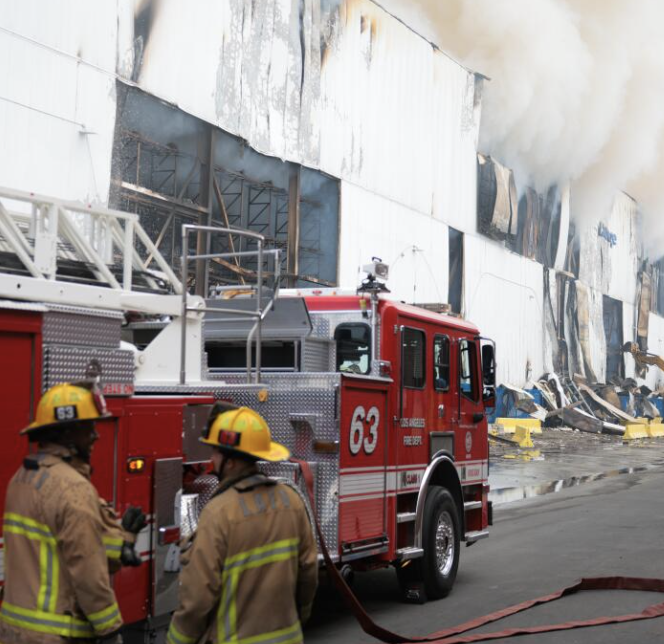
Smoke odor inside a Boyle Heights home can come from several different sources. A nearby warehouse fire or structure fire may send smoke into the neighborhood, but that is not the only possibility. Smoke smell can also come from HVAC contamination, past fire damage, fireplace residue, cooking smoke, electrical overheating, cigarettes, nearby apartment units, or soot trapped inside porous materials.
The first step is determining whether the odor is new, recurring, localized, or spreading throughout the home. A smoke smell that appears suddenly after a nearby fire may indicate exterior smoke intrusion. A smell that becomes stronger when the air conditioner runs may indicate smoke particles inside the HVAC system. A smell concentrated near one wall, outlet, appliance, or attic area may require more urgent inspection.
If the odor is widespread or persistent, professional Smoke Odor Removal Boyle Heights can help locate and remove the source.
Where to Check First
Start by checking the areas where smoke particles commonly enter or collect. Look around windowsills, attic vents, HVAC registers, return air vents, closets, ceiling fans, curtains, carpeting, upholstered furniture, and electronics. If you see black or gray residue, avoid wiping it with household cleaners because soot can smear and permanently stain surfaces.
Common inspection points include:
- HVAC vents and filters
- Windowsills and door frames
- Attic access points
- Carpet and carpet padding
- Upholstered furniture
- Closets and stored clothing
- Walls near outlets or appliances
- Ceiling fans and light fixtures


