


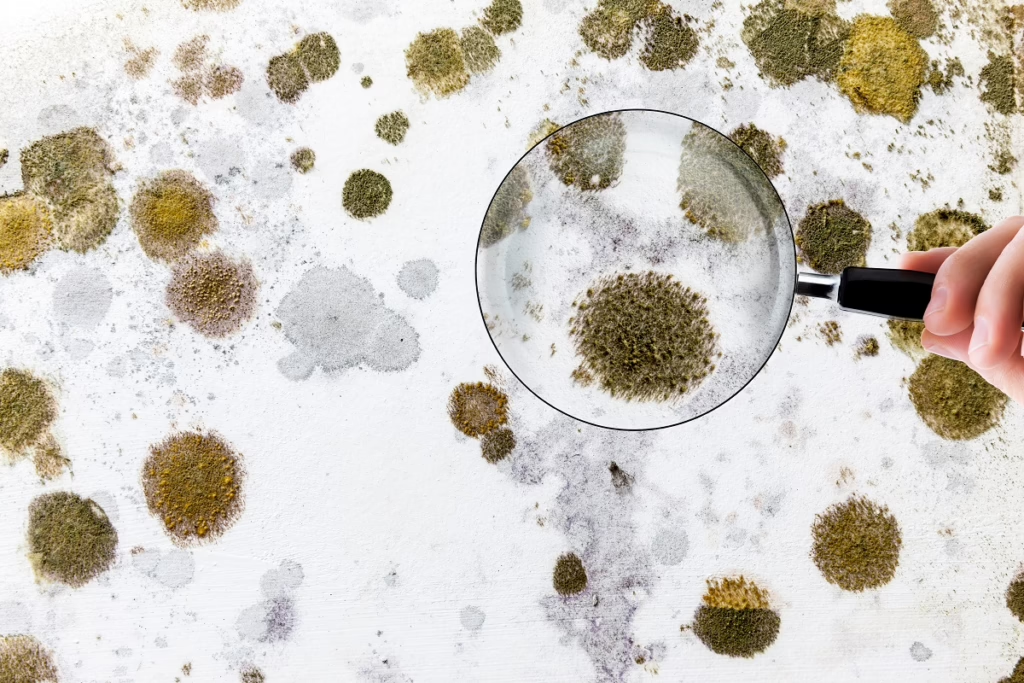
What Causes Attic Mold in Diamond Bar Homes
Homes in Diamond Bar, CA are typically larger than the national average, with median square footage ranging between 2,000–2,800 sq ft, and many properties exceeding 3,000 sq ft in newer developments. The majority of homes were built between the late 1970s and early 1990s, which means aging roofing systems, insulation, and ventilation setups are common. Combine this with an average annual rainfall of roughly 14–18 inches and coastal humidity patterns from nearby Los Angeles County, and you get a consistent environment where moisture can accumulate in enclosed attic spaces. These conditions create a perfect storm for attic mold Diamond Bar homeowners often don’t detect until it becomes a serious issue.
Understanding what causes attic mold is the first step toward preventing structural damage, maintaining air quality, and protecting long-term property value in Diamond Bar homes.
Table of Contents
- Primary Causes of Attic Mold
- How Diamond Bar Climate Contributes
- Construction Factors in Diamond Bar Homes
- Why Attic Mold Matters
- What To Do If You Suspect Mold
- Professional Mold Remediation Process
Primary Causes of Attic Mold
Attic mold is not random. It forms when three variables intersect: moisture, organic material, and lack of airflow. In Diamond Bar homes, these conditions are more common than most homeowners realize.
1. Roof Leaks
Even minor roof leaks allow water intrusion that soaks into insulation and wood framing. Over time, this moisture becomes trapped, leading to mold colonies forming on rafters and sheathing.
These issues often originate from aging roofing materials, especially in homes built before the 2000s. If left unchecked, they can escalate into larger problems requiring water damage restoration in Diamond Bar.
2. Poor Ventilation
Attics rely on proper airflow to regulate temperature and humidity. When ventilation systems are inadequate or blocked, warm, moist air becomes trapped.
- Blocked soffit vents
- Improper ridge vent installation
- Insufficient airflow design
This stagnant air creates condensation, especially during cooler nights, which feeds mold growth.
3. Bathroom and Kitchen Venting Mistakes
One of the most common causes of attic mold in Diamond Bar homes is improperly routed exhaust systems. When bathroom or kitchen vents discharge into the attic instead of outside, they introduce constant moisture.
This repeated exposure accelerates mold development far faster than natural humidity alone.
4. Condensation From Temperature Differentials
Diamond Bar experiences warm days and cooler nights, creating temperature fluctuations. When warm interior air rises into a cooler attic, condensation forms on surfaces.
This moisture accumulation is often invisible but persistent, making it one of the most dangerous contributors to attic mold.
5. Plumbing Leaks and Hidden Water Sources
Leaking pipes running through attic spaces can go unnoticed for extended periods. Even small leaks introduce enough moisture to sustain mold growth.
In some cases, this overlaps with issues requiring burst pipe repair in Diamond Bar, especially in older homes with aging plumbing systems.
How Diamond Bar Climate Contributes
While Diamond Bar is not considered a high-rainfall region, its climate still supports mold growth due to a combination of factors:
- Moderate humidity levels throughout the year
- Marine layer influence bringing moisture inland
- Seasonal rain patterns during winter months
- Warm temperatures that accelerate microbial growth
Unlike colder climates where freezing temperatures inhibit mold, Diamond Bar’s mild environment allows mold to grow year-round if moisture is present.
According to the EPA, mold can begin developing within 24–48 hours of moisture exposure, making even short-term water events a risk factor.
Construction Factors in Diamond Bar Homes
The design and age of homes in Diamond Bar play a significant role in attic mold development.
1. Older Insulation Systems
Homes built in the 70s–90s often have outdated insulation that retains moisture more easily than modern materials.
2. Larger Attic Spaces
Bigger homes mean larger attic volumes. Without proper ventilation design, these spaces are more prone to uneven airflow and trapped humidity.
3. Roofing Material Wear
Over time, roofing materials degrade, allowing small leaks that are difficult to detect until mold appears.
4. Energy Efficiency Retrofits
Sealing homes for energy efficiency can unintentionally reduce airflow, increasing moisture buildup in attics.
When combined, these factors make attic mold a common issue across Diamond Bar neighborhoods.
Why Attic Mold Matters
Attic mold is not just a cosmetic issue. It has direct consequences for both property and health.
Structural Impact
Mold breaks down organic materials like wood, weakening the structural integrity of your home.
Air Quality Issues
Mold spores circulate through HVAC systems, affecting indoor air quality and potentially causing:
- Respiratory irritation
- Allergic reactions
- Chronic health issues
Spread to Other Areas
Mold rarely stays contained. It can migrate to other parts of the home, leading to issues requiring crawl space mold cleanup in Diamond Bar or even ceiling repairs.
Property Value Decline
Homes with mold problems often fail inspections or require costly remediation before sale.
What To Do If You Suspect Mold
If you believe attic mold is present, immediate action is required to prevent escalation.
- Avoid disturbing the area to prevent spore spread
- Do not attempt DIY removal without proper equipment
- Check for moisture sources such as leaks or condensation
- Contact a professional restoration company
Ignoring early signs can lead to more extensive damage, including structural repairs and contamination in living spaces.
Professional Mold Remediation Process
Professional attic mold remediation in Diamond Bar follows a systematic approach to ensure complete removal and prevention.
1. Inspection
Technicians assess the extent of mold growth and identify moisture sources.
2. Containment
The affected area is sealed to prevent cross-contamination.
3. Air Filtration
HEPA filtration systems remove airborne spores.
4. Mold Removal
Contaminated materials are cleaned or removed using specialized techniques.
5. Drying and Dehumidification
Moisture is eliminated to prevent recurrence.
6. Restoration
Damaged areas are repaired or replaced to restore the home.
This process ensures not only removal but long-term protection against mold returning.
Protect Your Diamond Bar Home
Attic mold is a direct result of moisture and airflow imbalance. In Diamond Bar homes, climate conditions, construction factors, and aging materials all contribute to the risk.
Understanding the causes allows homeowners to take proactive steps before mold becomes a major issue.


