


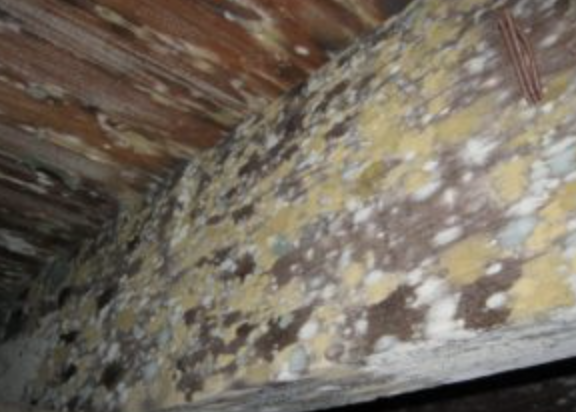
How Moisture Causes Crawl Space Mold in Diamond Bar Homes
In Diamond Bar, CA, crawl space mold is rarely caused by a single event. It is almost always the result of ongoing moisture exposure beneath the home. With many properties built between the late 1970s and 1990s, crawl spaces often feature older vapor barriers, minimal sealing, and aging plumbing infrastructure. Combine that with Southern California’s seasonal rainfall, coastal humidity influence, and soil moisture migration, and conditions become ideal for mold growth below the home. Understanding how moisture drives crawl space mold cleanup Diamond Bar situations is critical to preventing long-term structural and air quality issues.
Moisture in a crawl space does not just stay contained. It rises, spreads, and impacts the entire home. Identifying the sources and mechanisms of moisture buildup is the first step toward stopping mold before it becomes a major problem.
Table of Contents
- How Moisture Enters Crawl Spaces
- How Moisture Leads to Mold Growth
- Diamond Bar Environmental Factors
- Why Crawl Space Mold Matters
- What To Do If You Have Moisture Issues
- Professional Crawl Space Mold Cleanup Process
How Moisture Enters Crawl Spaces
Moisture intrusion in crawl spaces happens through multiple pathways. In Diamond Bar homes, these sources often overlap, creating persistent damp conditions.
1. Ground Moisture and Vapor Transmission
Soil naturally releases moisture upward. Without a proper vapor barrier, this moisture enters the crawl space and increases humidity levels continuously.
2. Plumbing Leaks
Crawl spaces often house water supply and drainage lines. Even a slow leak introduces enough moisture to sustain mold growth.
In more severe cases, unresolved issues may require burst pipe repair in Diamond Bar to stop ongoing water intrusion.
3. Poor Drainage Around the Foundation
If the property’s grading directs water toward the home, rainwater can seep into the crawl space. Clogged gutters and downspouts worsen this problem.
4. Flooding and Water Damage Events
Previous water damage incidents can leave residual moisture trapped beneath the home. If not properly dried, this moisture becomes a long-term mold risk.
These situations often begin with events requiring water damage restoration in Diamond Bar.
5. Poor Ventilation
Older crawl spaces often lack sufficient airflow. Without ventilation, moisture cannot escape and instead accumulates over time.
How Moisture Leads to Mold Growth
Mold growth follows a predictable pattern once moisture is present. Crawl spaces provide the perfect environment due to limited airflow, organic materials, and consistent humidity.
Step 1: Humidity Increase
Moisture raises the relative humidity in the crawl space. Once levels exceed 60%, mold growth becomes highly likely.
Step 2: Condensation Formation
Temperature differences between the crawl space and outdoor air cause condensation on wood beams, insulation, and pipes.
Step 3: Organic Material Exposure
Wood framing, subflooring, and insulation provide nutrients for mold to grow.
Step 4: Rapid Colonization
According to the EPA, mold can begin forming within 24–48 hours in damp conditions.
Once established, mold spreads quickly, often requiring professional crawl space mold cleanup in Diamond Bar to fully resolve.
Diamond Bar Environmental Factors
Diamond Bar’s climate contributes to crawl space moisture in several ways:
- Moderate annual rainfall introduces seasonal water intrusion risks
- Coastal humidity influence raises baseline moisture levels
- Warm temperatures accelerate microbial growth
- Temperature fluctuations increase condensation cycles
Unlike colder regions where freezing temperatures slow mold growth, Diamond Bar’s mild climate allows mold to develop year-round when moisture is present.
Why Crawl Space Mold Matters
Moisture-driven mold in crawl spaces has far-reaching effects on the entire home.
1. Indoor Air Quality
A significant portion of indoor air originates from the crawl space. Mold spores can circulate throughout the home, affecting occupants.
2. Structural Integrity
Mold breaks down wood and other organic materials, weakening the foundation and support systems.
3. Energy Efficiency Loss
Moisture reduces insulation effectiveness, increasing heating and cooling costs.
4. Spread to Other Areas
Mold can migrate upward into walls and ceilings, eventually requiring broader remediation such as mold cleanup in Diamond Bar.
5. Property Value Impact
Homes with crawl space mold issues often face inspection challenges and reduced resale value.
What To Do If You Have Moisture Issues
If you suspect moisture buildup in your crawl space, immediate action is required to prevent mold growth.
- Inspect for visible water or dampness
- Check plumbing lines for leaks
- Evaluate drainage around the home
- Avoid DIY mold removal
- Contact a professional restoration company
Addressing the moisture source is critical. Without eliminating the cause, mold will continue to return.
Professional Crawl Space Mold Cleanup Process
Professional crawl space mold remediation in Diamond Bar follows a structured process designed to eliminate mold and prevent recurrence.
1. Inspection and Moisture Mapping
Technicians identify moisture sources and assess mold growth using specialized equipment.
2. Containment
The crawl space is sealed to prevent cross-contamination.
3. Air Filtration
HEPA filtration removes airborne mold spores.
4. Mold Removal
Contaminated materials are cleaned or removed safely.
5. Drying and Dehumidification
All moisture is eliminated to prevent regrowth.
6. Preventative Solutions
Vapor barriers, improved drainage, and ventilation upgrades are implemented.
Stop Moisture Before Mold Starts
Moisture is the root cause of crawl space mold in Diamond Bar homes. By understanding how it enters and accumulates, homeowners can take proactive steps to prevent mold before it becomes a major issue.
Professional crawl space mold cleanup ensures the problem is handled completely, protecting both the structure of your home and the health of its occupants.


