


Table of Contents
When disaster strikes, like a fire tearing through your rented home, the question arises: Does renters insurance cover fire damage? Understanding your renter’s insurance policy is critical in California, where wildfires are a common threat. This guide dives deep into fire damage coverage, explains how to file claims effectively, compares different providers, and sheds light on tenant rights under state law.
What is Renters Insurance and Why is It Important?
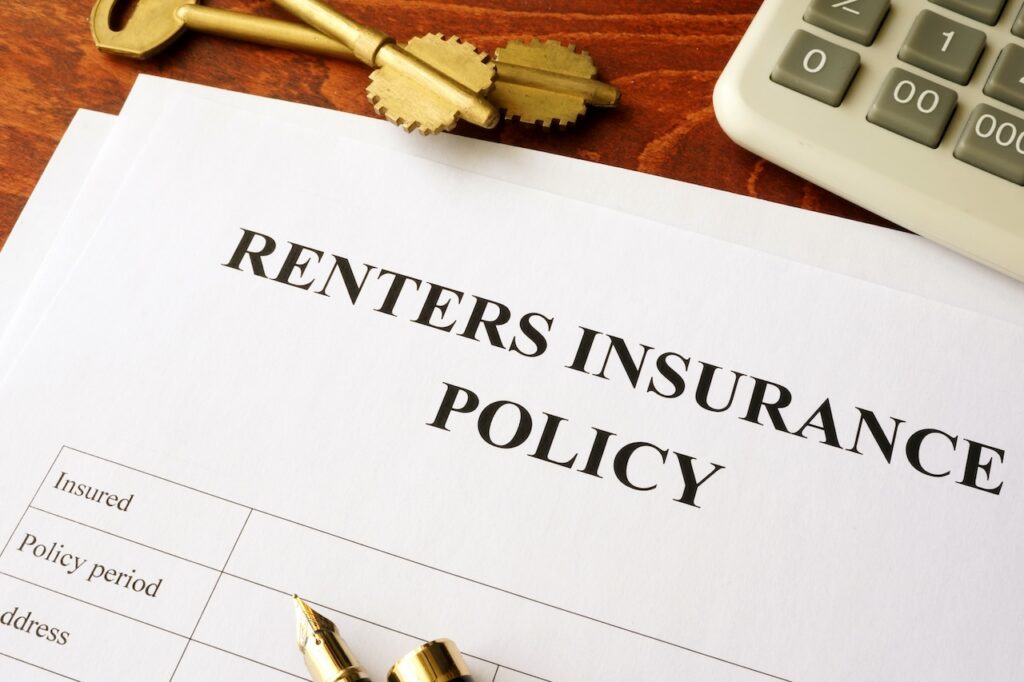
Renters insurance provides financial protection for tenants by covering personal property, liability, and additional living expenses during emergencies.
Renters insurance is designed to protect tenants, not landlords. It covers personal belongings, liability, and temporary living expenses after disasters like fire, smoke damage, or theft.
In areas like Rowland Heights and the greater Los Angeles County region, where fire risks—from electrical issues to nearby brush fires—are common, having active coverage is more than a safety net; it’s a necessity. Many landlords now require proof of renters insurance before leasing.
This type of policy ensures you’re not left paying out of pocket to replace furniture, electronics, clothing, or essentials lost in a fire. However, the building’s structure—walls, ceilings, and flooring—remains the landlord’s responsibility under their own insurance.
Does Renters Insurance Cover Fire Damage?
Yes, renters insurance usually covers fire damage, including damage caused by smoke, flames, or heat. But understanding the scope and limits of that coverage helps you prepare for the unexpected.
What’s Typically Covered
- Personal Property: Your clothes, electronics, furniture, and valuables are reimbursed up to your policy’s limit if they’re damaged or destroyed by fire.
- Liability Coverage: If you accidentally cause a fire that damages neighboring units or common areas, your policy may cover those repair costs.
- Additional Living Expenses (ALE): If your rental becomes uninhabitable, the policy helps pay for temporary housing, meals, and extra costs while repairs are made.
What’s Not Covered
- Structural Damage: The building itself—floors, walls, and roof—is covered by the landlord’s insurance.
- Intentional Acts: Fires caused on purpose or through illegal activity are excluded.
- Over-the-Limit Claims: If the value of your items exceeds your coverage limit, the difference isn’t reimbursed.
Each policy varies, so always review your provider’s documentation. Companies like State Farm, Allstate, and Lemonade offer detailed breakdowns of fire and smoke damage clauses in California-specific plans
How to File a Claim After Fire Damage

When fire strikes, filing a claim promptly can speed up the recovery process.
Filing a claim after a fire can feel overwhelming, but following the right steps helps speed up recovery and ensures your claim is processed smoothly.
1. Ensure Everyone’s Safety
Your first priority is to make sure everyone is safe and out of danger. Don’t re-enter the property until the fire department says it’s safe. Once cleared, document everything—take clear photos or videos of all damaged areas and belongings, even minor ones. Good documentation makes a big difference later in the claims process.
2. Notify Your Insurance Company
Contact your insurer right away. Most providers have 24-hour hotlines or apps where you can report damage and upload photos. Quick reporting helps start the inspection and approval process sooner. Be ready to give your policy number and a short description of the incident.
3. Prepare Your Documentation
Make a list of everything damaged or lost in the fire, including item descriptions, estimated values, and purchase dates if possible. Receipts or digital records help verify value, but even photos can work. A clear, detailed inventory will help your claim move faster.
4. Work with the Claims Adjuster
Your insurer will send an adjuster to inspect the damage. Be present during their visit to point out affected areas and share your documentation. Keep notes on all communications, including what was discussed and any promised next steps, to avoid confusion later.
5. Prevent Further Damage
Once the fire is out, protect the property from additional harm. If it’s safe, cover openings with tarps or boards and remove debris that could worsen damage. Many insurers require you to take reasonable steps to prevent further loss, so acting quickly can help your claim and protect your home.
Understanding Tenant Rights and California Laws
California provides strong protections for renters affected by fires, helping tenants and landlords navigate repairs, relocation, and lease concerns. Knowing these rights ensures you can act quickly and fairly after a disaster.
Landlord Responsibilities
Landlords are legally required to maintain safe, livable housing. After a fire, they must repair structural damage and restore the property to habitable condition before tenants return. This includes ensuring smoke alarms work properly and that all repairs meet building and safety codes. If a landlord fails to make the unit safe, tenants may be entitled to alternative housing or may end the lease without penalty.
Tenant Rights After a Fire
If your rental unit becomes unsafe to live in:
- You have the right to terminate the lease without penalty if the property is uninhabitable.
- You may qualify for relocation or temporary housing assistance, depending on your policy and the landlord’s insurance coverage.
California Civil Code §1942.5 also prevents landlords from retaliating against tenants who assert these rights, offering additional legal protection.
Wildfire-Specific Rules
Because California is prone to wildfires, the state has established additional rules to protect renters. Insurance companies are required to offer coverage options that specifically address fire and smoke damage, even in high-risk areas like parts of Los Angeles County.
The California Department of Insurance also oversees claims to make sure renters are treated fairly and receive the compensation they’re entitled to. This ensures that tenants in communities such as Rowland Heights, Hacienda Heights, and nearby areas have access to the coverage and support they need to recover after a wildfire or residential fire.
Key Features of Fire Damage Coverage
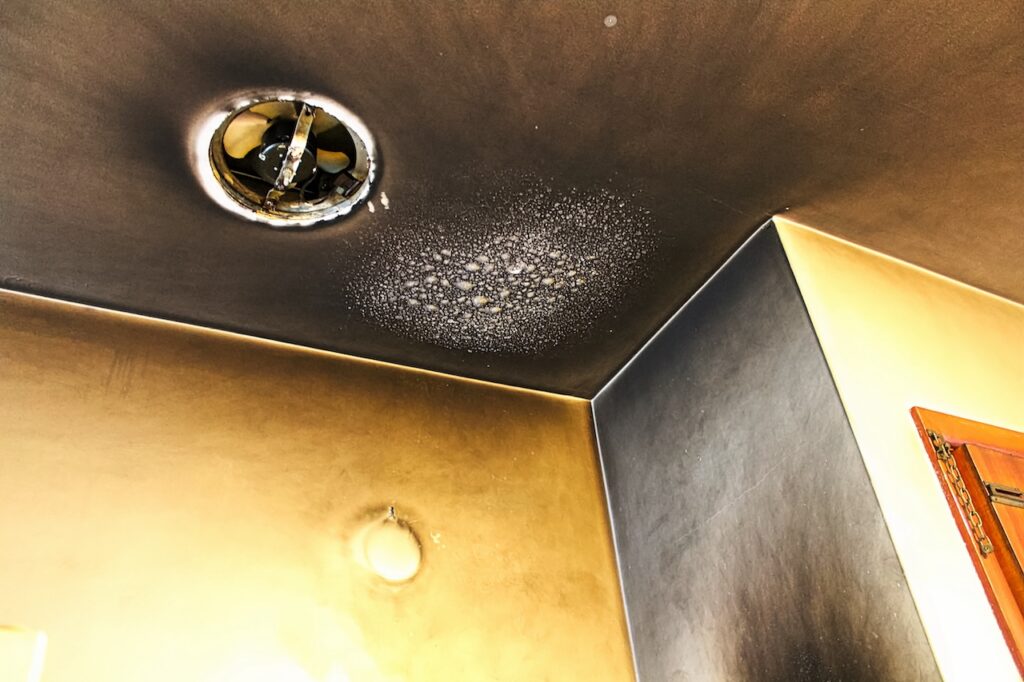
Renters insurance also covers damages caused by smoke.
Beyond replacing your belongings, fire coverage in a renters policy often extends further than tenants expect.
Smoke and Soot Damage
Even if flames don’t reach your unit, smoke can ruin clothing, upholstery, and electronics. Most policies cover smoke damage restoration and cleaning costs.
Customizable Coverage
California insurers often offer add-on options for those living in high-risk areas like hillside communities near Rowland Heights. These may include:
- Extended replacement coverage for high-value property
- Higher limits for electronics or jewelry
- Longer Additional Living Expense (ALE) benefits
Wildfire Coverage
With wildfire risks increasing in Southern California, many insurance companies now include or recommend wildfire-specific endorsements to protect against large-scale events that affect entire apartment complexes or neighborhoods.
Conclusion: Protect Your Home and Peace of Mind
So, does renters insurance cover fire damage? Yes—but knowing the details of your policy is essential. It can protect your belongings, cover temporary living costs, and give you financial relief when disaster strikes.
In Rowland Heights, CA, where fire risk is an ongoing concern, staying insured and informed is the best protection. And when damage occurs, you can rely on PuroClean of Rowland Heights for expert, compassionate fire restoration services.
Call (626) 923-9992 or visit our website to schedule professional fire and smoke damage restoration today.
Frequently Asked Questions (FAQ)
1. Does renters insurance cover accidental fires?
Yes, most policies cover fires caused by accidents, like a cooking mishap or electrical issue, as long as they weren’t intentional.
2. Does renters insurance cover wildfires in California?
Yes, but it depends on the provider and policy terms. Some may require additional coverage for wildfire-prone zones in Southern California.
3. What should I do immediately after a fire?
Ensure safety first, contact your landlord and insurance company, document the damage, and arrange for temporary housing if needed.
4. How long does it take to process a fire damage claim?
It varies by insurer, but most claims take between two and six weeks once all documentation is submitted.
5. Can my landlord’s insurance replace my belongings?
No. Your landlord’s policy covers the building only. You need renters insurance to protect your personal property.
Summary
- Renters insurance usually covers fire, smoke, and soot damage.
- Policies also cover liability and temporary housing costs.
- Landlords handle building repairs; tenants handle belongings.
- California law protects renters’ rights after a fire.
- For safe cleanup, contact PuroClean of Rowland Heights for certified fire restoration.


