


Table of Contents
Black mold, a notorious household problem, poses significant health risks if left unaddressed. Recognizing the signs and understanding how to check for black mold in your home can help prevent further spread and reduce potential harm to you and your family. In this guide, we’ll explore the symptoms of mold presence, DIY testing techniques, the importance of professional inspection, and essential steps if mold is detected.
What Is Black Mold and Why It’s Dangerous
Black mold, scientifically known as Stachybotrys chartarum, thrives in damp, humid environments. It feeds on organic materials like wood, drywall, and paper—common components in most homes.
In Los Angeles, where moisture can build up from coastal humidity, roof leaks, or poorly ventilated bathrooms, black mold can become a hidden but serious issue. Exposure can cause allergy-like symptoms, respiratory irritation, fatigue, and, in severe cases, health complications for people with asthma or weakened immune systems.
Early detection and professional remediation are crucial to preventing structural damage and keeping your indoor air safe.
Recognizing the Signs of Black Mold

Musty odors are one of the definitive signs of mold growth.
Mold doesn’t always make itself obvious. Sometimes it grows behind walls, under floors, or inside HVAC systems. However, certain warning signs can help you spot it early.
1. Visible Growth
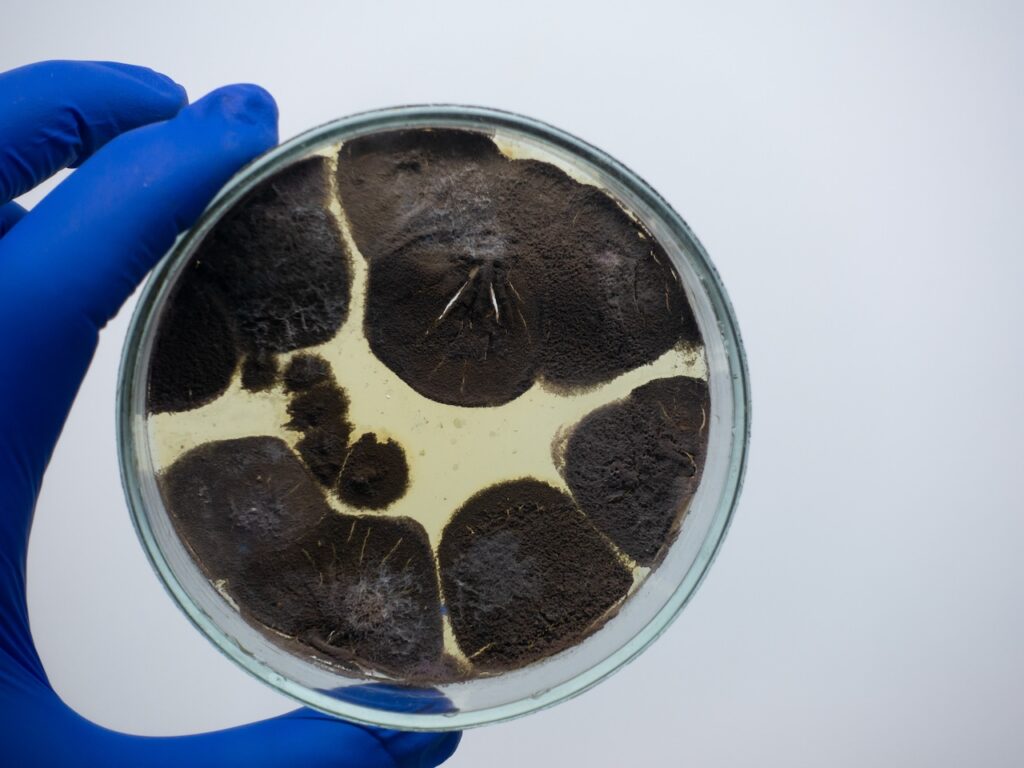
One of the most straightforward signs of black mold is visible growth on surfaces. It often appears as dark green, gray, or black blotches that may look fuzzy, powdery, or slimy, depending on the moisture level.
These spots can start small and expand quickly, forming irregular patterns on walls, ceilings, tiles, or grout lines. If you notice such discoloration, especially in humid areas like bathrooms or around sinks, it’s essential to inspect further and avoid disturbing it, as spores can spread through the air.
2. Musty Odor
A strong, persistent musty or earthy smell is one of the earliest and most reliable signs of mold, even when you can’t see it. This odor often intensifies after rain or when your HVAC system is running, circulating the scent throughout your home.
Basements, closets, and laundry rooms are common sources. Because black mold often grows behind surfaces, smell can sometimes be your only clue that a hidden colony is thriving.
3. Water Damage or Stains
Where there’s moisture, mold is likely to follow. Water damage leaves behind telltale signs such as bubbling or cracking paint, peeling wallpaper, warped drywall, or brown and yellow stains on ceilings and walls.
These stains indicate that water has seeped into porous materials, creating an ideal environment for mold spores to grow. Even if the water damage seems old or dry, mold can remain dormant and reactivate when humidity levels rise again.
4. Health Symptoms
Physical symptoms are often the first sign of a hidden mold problem. Black mold releases spores and mycotoxins that can irritate the respiratory system, eyes, and skin.
Common reactions include coughing, sneezing, headaches, sore throat, and watery or itchy eyes—symptoms that tend to worsen indoors and improve once you leave the environment.
People with asthma, allergies, or weakened immune systems are particularly vulnerable. If these symptoms persist without a clear cause, it’s worth investigating your home for possible mold contamination.
How to Check for Black Mold at Home
Knowing how to check for black mold in your home can help you identify a potential problem early—before it spreads or affects your health. While DIY methods can provide helpful clues, they only offer a basic assessment. Professional inspection is still recommended if you suspect widespread contamination or toxic black mold.
Step 1: Visually Inspect Problem Areas
Begin by looking closely at spaces where moisture tends to accumulate. Bathrooms, basements, kitchens, and laundry rooms are prime locations for mold growth due to humidity and poor ventilation. Examine walls, ceilings, and floors near sinks, tubs, and windows.
Don’t forget to check less visible spots like under sinks, behind furniture pressed against exterior walls, and inside cabinets. Use a flashlight to inspect corners and vents where mold can hide. Even small dark spots or discoloration can indicate an early mold problem that requires attention.
Step 2: Perform a Smell Test
Sometimes, black mold hides behind walls or under flooring, but your nose can help detect it. A persistent musty, earthy odor—especially when confined to one area—is a strong indicator of mold growth.
Follow the smell to its strongest point; it may lead you to the source of hidden moisture. In Los Angeles homes, humidity from showers or plumbing leaks can trap moisture in walls, creating the perfect environment for mold. If the odor persists after cleaning or ventilation, further inspection is warranted.
Step 3: Try a Surface Swab or Bleach Test
A quick, simple test involves using a diluted bleach solution to check suspicious spots. Dip a cotton swab or cloth into a mix of one part bleach to ten parts water and gently dab it on the area. If the dark patch lightens after a few minutes, it’s likely mold.
If it stays dark, it could just be dirt or a stain. However, this method won’t confirm whether it’s toxic black mold—only a laboratory analysis can do that. Handle the area carefully, as disturbing mold can release spores into the air.
Step 4: Use a Home Mold Test Kit
If you want a more precise idea of what’s growing in your home, try a mold test kit. These are widely available at home improvement stores and include instructions for collecting samples from surfaces or the air.
After collecting, you send the samples to a lab for professional testing. While convenient, results can vary based on how samples are collected. Mold hidden inside walls or air ducts may not show up, even if contamination exists. For this reason, DIY kits are best for preliminary testing, not full diagnosis.
Step 5: Consider Air Sampling
Because mold spores travel through the air, air sampling is one of the most reliable ways to detect contamination that isn’t visible. Some DIY kits offer air sample options, but professional air testing provides more accurate and comprehensive results.
Certified inspectors use advanced instruments to measure spore concentration and locate hidden colonies inside walls, ceilings, or HVAC systems. If your household experiences ongoing musty odors or allergy symptoms but no visible mold, air testing is often the key to finding the hidden source.
Professional Inspection Services: When to Call for Help
DIY tests can sometimes leave questions unanswered, especially if mold growth is hidden or in hard-to-reach areas. Professional mold inspectors are trained to identify black mold accurately and can access spaces homeowners may overlook.
A certified inspector will comprehensively check your home, often using moisture meters, infrared cameras, and air sampling. They’ll assess the extent of the mold, identify any potential structural damage, and provide recommendations for mold removal.
If your initial tests indicate mold or if you continue to experience symptoms, it’s best to call a professional. A trained inspector can guide you through the necessary steps to safely remove mold and prevent its return.
According to the EPA, mold in homes can lead to various health risks, especially for those with respiratory issues, making professional assessment vital when DIY methods fall short. The EPA has various resources to help you get started, including this mold cleanup website.
Steps to Take if Black Mold is Detected

Devices like dehumidifiers can help mitigate mold growth.
Discovering black mold in your home can feel overwhelming, but there are crucial steps you can take to manage the situation and protect your household:
- Limit Access to Affected Areas: Mold spores can spread through air, so close off the affected area to reduce exposure.
- Improve Ventilation and Reduce Moisture: Use dehumidifiers and ensure good ventilation in damp areas to slow mold growth.
- Schedule Professional Mold Remediation: Hire a mold remediation specialist, such as PuroClean of Rowland Heights, for effective removal and prevention. They can ensure safe and thorough removal, preventing mold from reappearing.
- Take Preventive Measures: Regularly check high-moisture areas, maintain low humidity, and address any leaks promptly to help prevent future mold growth.
Following these steps, you can manage black mold growth and protect your home and health from further issues.

High-moisture areas, like those near AC units, can be particularly susceptible to mold.
Conclusion: Stay Vigilant and Act Quickly
Knowing how to check for black mold gives you the power to protect your home and family before a small problem turns into a serious hazard. In Los Angeles’ warm, humid climate, moisture control and early detection are key to keeping your home mold-free.
If you suspect mold growth or notice musty odors, trust PuroClean of Rowland Heights for fast, certified mold inspection and remediation.
Call (626) 923-9992 today or visit our website for 24/7 assistance.
Frequently Asked Questions (FAQ)
1. What does black mold look like?
It typically appears as dark green or black patches with a slimy or powdery texture, often in damp areas like bathrooms or basements.
2. Can I test for black mold myself?
You can use home test kits, but results aren’t always accurate. Professional testing provides more reliable identification and guidance.
3. Is black mold dangerous to my health?
Yes. Prolonged exposure can cause respiratory irritation, allergic reactions, and worsen asthma symptoms.
4. How do professionals check for black mold?
They use moisture meters, air sampling, and infrared imaging to locate mold behind surfaces and determine contamination levels.
5. How quickly should I act if I find mold?
Immediately. Mold spreads fast, and delaying cleanup can increase health risks and property damage.
Summary
- Mold thrives in damp, humid environments.
- Signs include musty odors, dark spots, and health symptoms.
- DIY tests help, but professional inspection ensures accuracy.
- PuroClean of Rowland Heights offers expert black mold removal.


