 PuroClean of Rowland Heights
Table of Contents
Dealing with a leaky toilet can be a major inconvenience, especially when it produces harmful sewer gas odors. The culprit is often a faulty wax ring. Knowing how to fix a leaky toilet wax ring can save you time and money and ensure your bathroom remains fresh and clean. In this guide, we’ll walk you through the steps to replace a faulty wax ring on your toilet.
What is a Toilet Wax Ring?

A plumber showing the wax seal underneath a toilet.
A toilet wax ring is a thick, moldable seal located between the toilet base and the floor flange. Its purpose is to keep wastewater and sewer gases from leaking into your bathroom. Over time, this ring can deteriorate, crack, or shift, especially if the toilet becomes loose or the home experiences temperature changes.
In Rowland Heights, where many homes were built decades ago, worn seals are a common issue. Frequent use, hard water, and even minor floor settling can cause the wax ring to lose its seal, leading to slow leaks and hidden moisture beneath the toilet.
Signs of a Faulty Wax Ring
A leaky wax seal doesn’t always cause visible flooding—but it often leaves subtle warning signs. Homeowners should watch for the following indicators of a failing toilet seal:
- Water pooling at the toilet’s base, especially after flushing.
- Persistent sewer odors even after cleaning.
- Wobbling or shifting toilet when you sit down.
- Discolored flooring or soft spots around the toilet.
If one or more of these symptoms appear, the wax ring is likely no longer providing a proper barrier—and immediate repair is essential to prevent long-term water or mold damage.
Tools and Materials Needed
To fix a leaky toilet wax ring, you’ll need the following tools and materials:
- Adjustable wrench – used to loosen and tighten bolts when disconnecting the water line or securing the toilet.
- Putty knife – helps remove the old wax ring and clean the flange for a proper new seal.
- New wax ring – creates a watertight barrier between the toilet and the floor flange; choose a durable one for best results.
- Rubber gloves – protect your hands from grime, bacteria, and sticky wax residue.
- Sponge and bucket – useful for draining remaining water from the tank and bowl before removing the toilet.
- Towels or rags – keep the area dry, protect the floor, and provide a soft spot to set the toilet down.
- Cleaning supplies – disinfect and clean the flange area before reinstalling the toilet to ensure a tight, sanitary fit.
Step-by-Step Guide to Replacing a Faulty Wax Ring
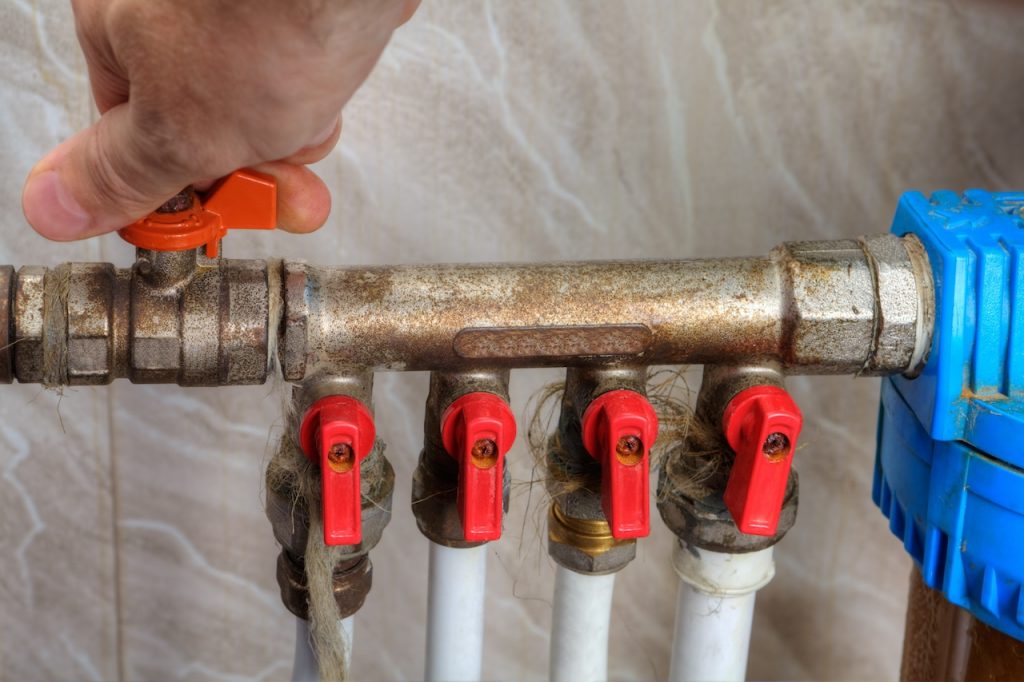
Remember to shut off your home’s water supply before removing the toilet.
- Turn Off the Water Supply: The first step in how to fix a leaky toilet wax ring is to turn off the water supply to the toilet. Locate the shut-off valve behind the toilet and turn it clockwise to stop the water flow.
- Drain the Toilet: Flush the toilet to drain as much water as possible from the tank and bowl. Use a sponge and bucket to remove any remaining water from the bowl.
- Disconnect the Water Supply Line: Use an adjustable wrench to disconnect the water supply line from the toilet tank. Prepare towels or rags to catch any residual water.
- Remove the Toilet: Next, remove the caps covering the bolts at the toilet’s base. Use the wrench to unscrew the bolts, and carefully lift the toilet off the flange. Place the toilet on a towel or old sheet to avoid damaging the floor.
- Remove the Old Wax Ring: After removing the toilet, you’ll have access to the old wax ring. Use a putty knife to remove it from the flange. Clean the area thoroughly to ensure a good seal with the new wax ring.
- Install the New Wax Ring: Place the new wax ring on the flange, ensuring it’s centered and properly seated. Some wax rings come with a plastic sleeve, which should be positioned downward into the flange.
- Reinstall the Toilet: Carefully lift the toilet and align the holes at the base with the bolts on the flange. Lower the toilet onto the new wax ring, pressing down firmly to create a good seal. Reattach the nuts and caps to secure the toilet.
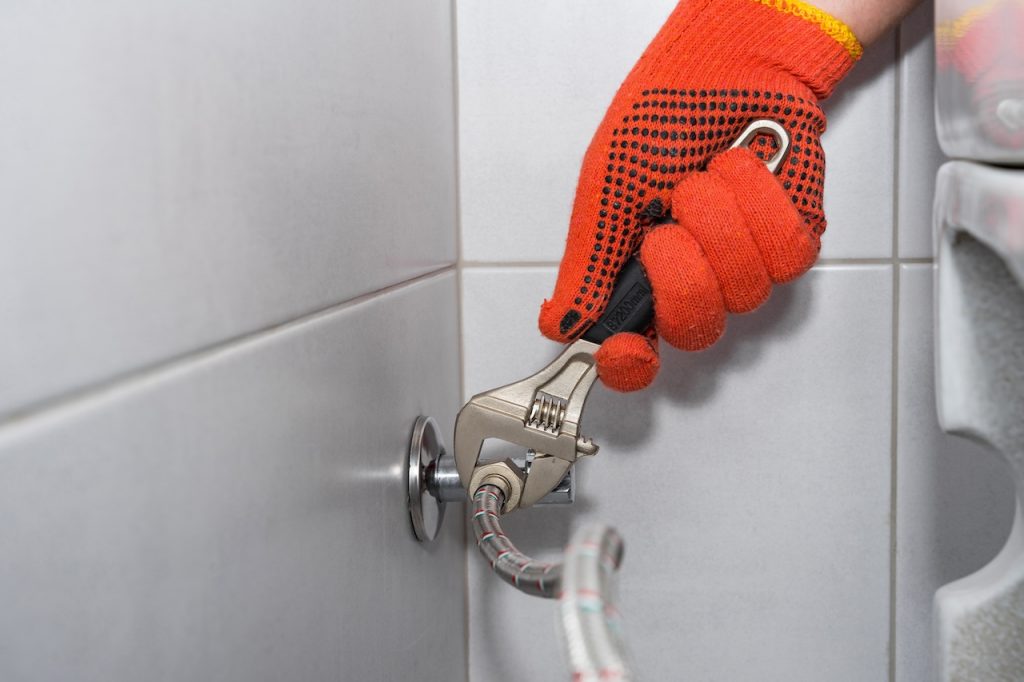
Use an adjustable wrench to reconnect the toilet hose to your water supply.
- Reconnect the Water Supply Line: Using the adjustable wrench, reconnect the water supply line to the toilet tank. Then, turn on the shut-off valve to restore water flow.
- Test for Leaks: Flush the toilet a few times and check for any signs of leaks around the base. If everything is dry, you’ve successfully learned how to fix a leaky toilet wax ring!
Why You Should Act Quickly
Ignoring a small toilet leak can lead to extensive floor damage, rotting subfloor materials, and even mold growth beneath tiles. The moisture from a failed wax ring can seep into flooring and drywall, creating the perfect environment for bacteria and mold spores.
In older bathrooms found throughout Rowland Heights—particularly those with tile or laminate floors—moisture often spreads unnoticed until stains or odors appear. Acting early helps you avoid expensive structural repairs and potential health hazards.
Preventing Future Toilet Leaks
Once your new seal is in place, simple maintenance habits can help it last for years:
- Make sure the toilet remains stable—rocking loosens the seal.
- Avoid harsh chemical drain cleaners that may damage seals and gaskets.
- Periodically inspect the base for water or odor.
- Use gentle cleaning products around the floor flange area.
If your toilet moves or you notice a faint musty smell again, it’s best to have it checked promptly by a plumbing or restoration professional.
Conclusion: Protect Your Home from Hidden Damage
Knowing how to fix a leaky toilet wax ring can save you from bigger problems like mold growth or flooring damage. Replacing the seal promptly ensures your bathroom remains dry, odor-free, and sanitary.
If you discover signs of a faulty wax ring, act quickly—and if water has already spread or odors persist, trust the certified restoration specialists at PuroClean of Rowland Heights to handle cleanup safely and efficiently.
Call (626) 923-9992 or visit our website to schedule an inspection today.
Frequently Asked Questions (FAQ)
1. How long does it take to replace a toilet wax ring?
Most replacements take about one to two hours, depending on your experience level and accessibility.
2. How often should a wax ring be replaced?
A well-installed wax ring can last 20 to 30 years, but leaks, loose toilets, or remodeling can shorten its lifespan.
3. Can I use a double wax ring?
Yes—double wax rings are sometimes used for toilets set on raised flooring or uneven surfaces to ensure a proper seal.
4. Why does my toilet still leak after replacing the wax ring?
If leaks continue, the flange might be cracked, bolts may be loose, or the toilet wasn’t set evenly. It’s best to recheck the installation or call a professional.
5. Is it safe to clean up water from a leaky toilet myself?
If the water is clean and recent, yes—but if there’s any sewage odor or discoloration, contact PuroClean of Rowland Heights immediately for safe cleanup.
Summary
- A leaky toilet base often means a worn wax ring.
- Replace it in 10 steps using simple tools.
- Choose between wax and wax-free seals.
- Watch for persistent odors or water damage.
- Call PuroClean of Rowland Heights for professional restoration if contamination occurs.

 PuroClean of Rowland Heights