 PuroClean of Rowland Heights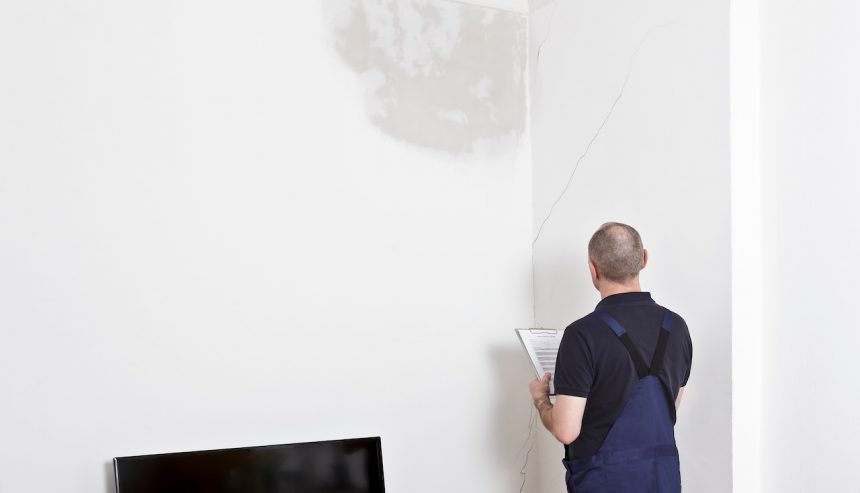
Table of Contents
Plaster wall water damage can threaten both your property’s structure and indoor air quality. Whether from leaks, roof issues, or flooding, moisture can quickly ruin plaster surfaces and lead to costly repairs if ignored. In this expert guide, PuroClean of Rowland Heights, CA, explains how to identify, repair, and prevent plaster wall water damage to keep your home safe and beautiful.
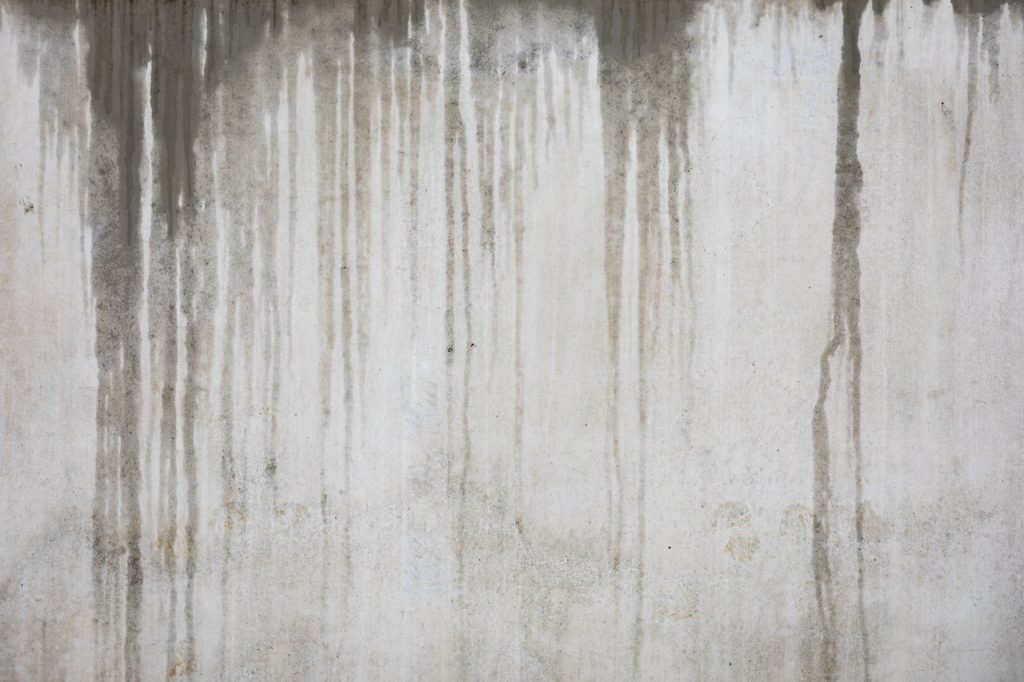
Due to its porous nature, plaster is prone to mold, bubbling, swelling, and cracking when exposed to moisture.
Why Plaster Walls Are Vulnerable to Water Damage
Plaster walls are common in older homes across Rowland Heights and Los Angeles County, valued for their durability and smooth finish. However, plaster is a porous material, which means it easily absorbs moisture. When exposed to water—from leaking roofs, burst pipes, or high humidity—the material can swell, crack, or even separate from the wooden lath beneath.
In addition to cosmetic issues, excess moisture weakens the wall’s structure and creates ideal conditions for mold growth. The longer the problem goes untreated, the more likely the plaster will deteriorate beyond repair. Recognizing the signs of plaster wall water damage early can help homeowners avoid expensive restoration later.
Recognizing the Signs of Plaster Wall Water Damage
Detecting water damage in plaster walls isn’t always easy. Sometimes the signs are subtle and develop gradually. Look for these common indicators:
- Discoloration or staining: Brown or yellow water stains usually appear first.
- Bubbling or peeling paint: Trapped moisture causes the paint to lift from the surface.
- Soft or spongy areas: Indicates that the plaster has absorbed water and lost its rigidity.
- Cracks or sagging: The plaster may pull away from the lath, especially if water exposure is prolonged.
- Musty odor or visible mold: Signals hidden moisture behind the wall.
At PuroClean of Rowland Heights, our technicians use advanced moisture meters and infrared imaging to locate hidden leaks and saturated areas—even when damage isn’t visible. Identifying the full extent of water intrusion ensures no trapped moisture remains to cause future issues.
Step-by-Step Restoration: How Professionals Repair Water-Damaged Plaster Walls
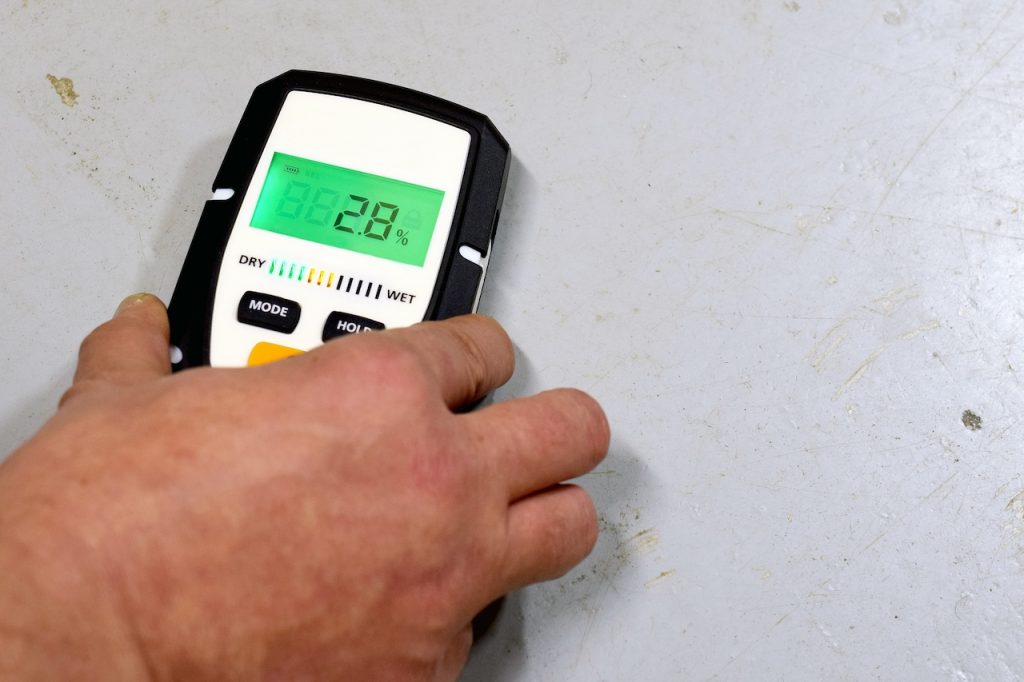
Moisture meters can detect wetness through a variety of building mediums.
Addressing plaster wall water damage requires more than drying the surface. Proper restoration involves moisture extraction, structural assessment, repair, and preventive measures.
1. Inspection and Moisture Detection
Before any work begins, professionals conduct a detailed inspection to determine how far the water has spread. Using specialized equipment, they measure moisture levels behind the plaster and in surrounding materials such as wood framing or insulation. This assessment helps form a targeted restoration plan tailored to the property’s condition.
2. Controlled Drying Process
Plaster absorbs water deeply, so thorough drying is crucial. Industrial-grade dehumidifiers and air movers are positioned strategically to remove trapped moisture without causing cracks or additional stress. The drying process may take several days, depending on humidity levels and wall thickness.
Technicians monitor humidity and temperature continuously during this stage to ensure the plaster dries evenly. Rushing the process can cause the material to crumble or warp, so patience and professional control are key.
3. Cleaning and Mold Prevention
Once moisture is removed, affected surfaces are cleaned and treated with antimicrobial solutions to prevent mold growth. Smoke-like staining or mineral deposits left by water may be gently scrubbed away using specialized cleaning agents designed for delicate plaster surfaces.
4. Repair and Replastering
After drying, damaged areas are evaluated for repair or replacement. Minor cracks and chips can be patched using compatible filler compounds. For severe damage, the compromised plaster is removed and replaced with new layers applied in multiple coats.
At PuroClean of Rowland Heights, technicians apply fresh plaster in thin, even layers, allowing each coat to dry slowly before adding the next. This technique restores both the wall’s appearance and its durability, ensuring the repaired area blends seamlessly with the original finish.
5. Sanding, Finishing and Painting
Once repairs are complete, the surface is carefully sanded to a smooth texture. The final step is applying primer and paint that are vapor-permeable, allowing the wall to “breathe.” Using the right paint type prevents future moisture from becoming trapped beneath the surface.
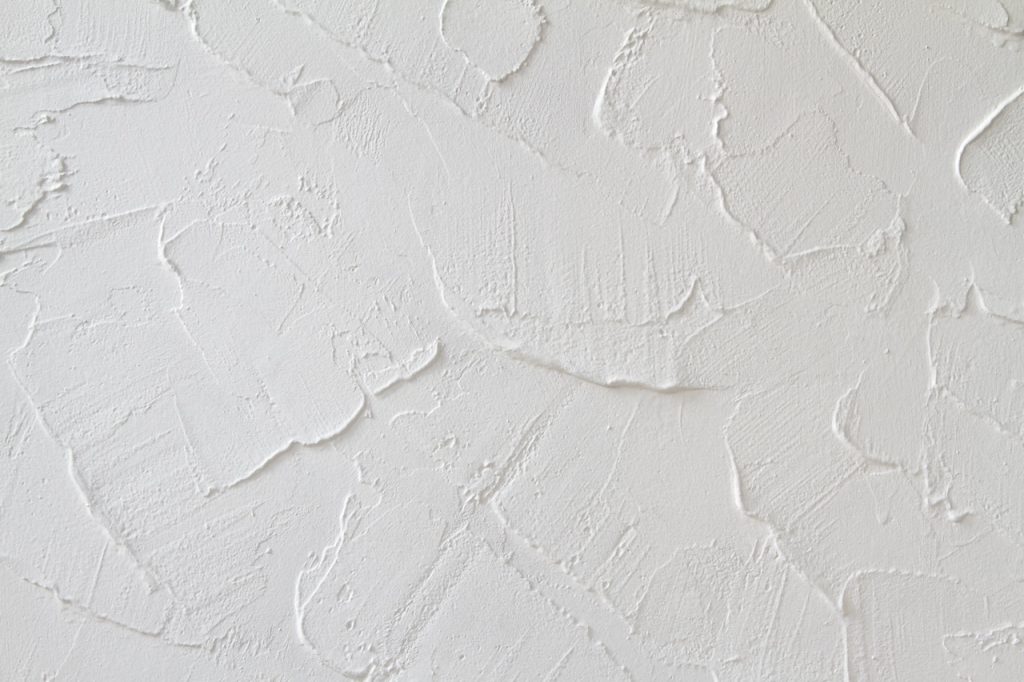
Plaster should be applied in layers, and each layer should dry slowly.
When Replastering Is Necessary
Not all water-damaged plaster walls can be saved. If water exposure has been prolonged or if mold has developed behind the surface, complete removal and replastering may be required.
Replastering involves stripping away all compromised material, cleaning the lath, and applying new plaster in layers. Each layer must dry gradually to prevent cracking and ensure adhesion. Though more time-consuming, this process restores the wall’s original strength and integrity.
Professional restoration specialists ensure that temperature and humidity are properly controlled during replastering—a critical step often missed in DIY repairs.
Preventing Future Plaster Wall Water Damage
Prevention is the best protection against recurring water issues. Here’s how homeowners in Rowland Heights can safeguard plaster walls from future moisture problems:
- Repair Leaks Promptly: Address any roof, plumbing, or window leaks as soon as they appear. Even small drips can lead to extensive wall damage over time.
- Improve Ventilation: Use exhaust fans in kitchens and bathrooms to reduce humidity. Poor ventilation allows condensation to build up inside plaster walls.
- Inspect Regularly: Check for early signs of dampness or discoloration on walls and ceilings, especially after heavy rain or plumbing work.
- Install Moisture Barriers: If renovating, consider adding waterproof membranes behind walls in moisture-prone areas.
- Use Quality Paints and Sealers: Moisture-resistant primers and breathable paints create a protective layer that prevents plaster from absorbing water while allowing it to release humidity safely.
For more prevention tips, the Federal Emergency Management Agency (FEMA) offers guidance on dealing with moisture and mold issues in homes
Conclusion: Protecting Your Plaster Walls and Your Home
Plaster wall water damage can escalate quickly, affecting structure, air quality, and aesthetics. Acting early—and hiring certified professionals—prevents small issues from turning into major restoration projects.
In Rowland Heights, CA, where temperature and humidity changes are common, safeguarding your plaster walls starts with fast action and expert care. Trust PuroClean of Rowland Heights to restore your walls with precision and ensure your property remains strong, safe, and beautiful.
Call (626) 923-9992 today or visit our website to request immediate service.
Frequently Asked Questions (FAQ)
1. Can plaster walls be saved after water damage?
Yes, if addressed quickly. Early drying and professional repair can often restore plaster walls without needing full replacement.
2. How long does it take for plaster to dry after water damage?
Depending on severity and humidity, drying may take several days. Professional-grade dehumidifiers speed up the process safely.
3. Will water damage cause mold to grow behind plaster?
Yes, trapped moisture can lead to mold growth, especially in older walls. Mold inspection is always part of the restoration process.
4. Should I paint over a stained plaster wall?
No. Painting over water stains without fixing the source of the leak will cause the damage to reappear and may trap moisture underneath.
5. Does homeowners insurance cover plaster wall water damage?
Most policies cover sudden and accidental water damage (like pipe bursts), but not gradual leaks. Always check your policy and act quickly.
Summary
- Plaster walls absorb moisture quickly and require expert drying.
- Common signs include cracks, stains, and bubbling paint.
- Professional restoration ensures safety and long-term stability.
- PuroClean of Rowland Heights offers full repair and prevention services.


 PuroClean of Rowland Heights