


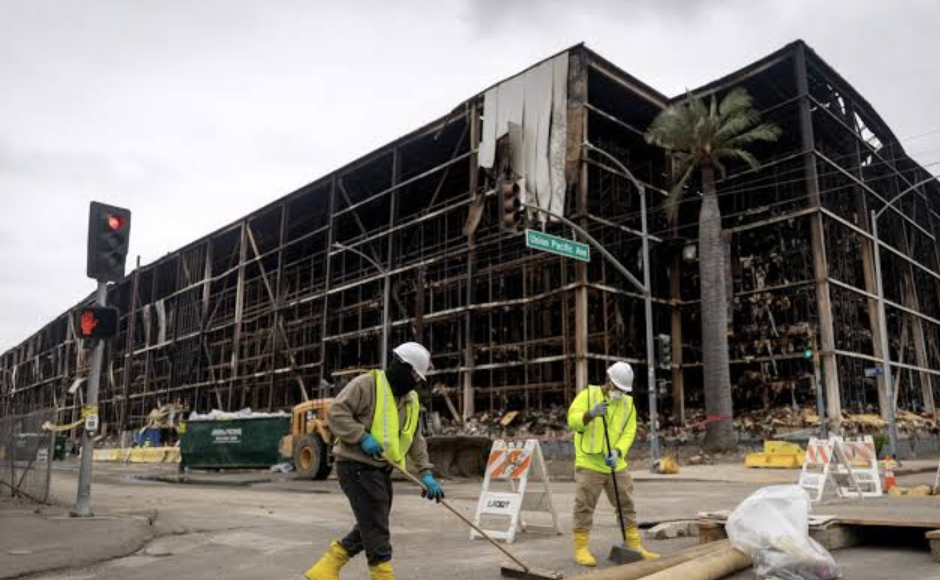
Smoke Odor After the Boyle Heights Warehouse Fire: What Homeowners Should Know
If your home smells like smoke after the Boyle Heights warehouse fire, smoke particles may have entered through windows, doors, attic vents, HVAC systems, or small openings around the property. PuroClean of Rowland Heights helps Boyle Heights homeowners remove lingering smoke odor, soot residue, and smoke contamination after nearby fires.
Causes of Smoke Odor After a Warehouse Fire
Warehouse fires can produce large volumes of smoke in a short period of time. Unlike a small contained fire, a warehouse fire may involve pallets, plastics, packaging materials, insulation, chemicals, equipment, cardboard, textiles, stored goods, and building materials. As those materials burn, smoke can travel through the surrounding neighborhood and settle into nearby homes.
Boyle Heights residents may notice smoke odor even if their home was never touched by flames. Smoke can enter through open windows, attic vents, wall gaps, bathroom fans, kitchen exhaust systems, HVAC intakes, door frames, and crawl space openings. Once inside, smoke particles can attach to walls, ceilings, curtains, carpets, furniture, clothing, bedding, insulation, and personal belongings.
Another reason smoke odor lingers is that smoke particles are microscopic. A room can look clean while still holding odor-causing residue. That is why simply opening windows, using candles, spraying air fresheners, or running fans rarely solves the problem completely.
For homes with ongoing odor after the fire, professional Smoke Odor Removal Boyle Heights services can help identify and remove the source of the smell.
Why Smoke Odor Matters
Smoke odor is more than an unpleasant smell. Lingering odor often indicates that smoke particles are still present inside the home. These particles may continue affecting indoor air quality, soft surfaces, HVAC systems, and household contents until they are properly removed.
The U.S. Environmental Protection Agency explains that smoke can contain fine particles that may affect indoor air quality and respiratory comfort, especially for sensitive individuals. Homeowners can review general smoke and indoor air guidance from the EPA Indoor Air Quality resources.
Smoke residue can also become more difficult to remove over time. Odors can settle deeper into porous materials such as carpet padding, upholstery, mattresses, insulation, drywall, and clothing. When the home becomes warm or humid, those trapped particles may release odor again, making it seem like the smoke smell keeps coming back.
Smoke odor after the Boyle Heights warehouse fire may also indicate hidden soot contamination. Fine soot can collect around vents, windowsills, ceiling fans, electronics, cabinets, and horizontal surfaces. If soot is visible, avoid aggressive wiping with household cleaners because improper cleaning can smear residue and make staining worse.
For visible residue or widespread contamination, homeowners should also review Smoke Damage Cleanup Boyle Heights and Soot Removal Boyle Heights.
What Boyle Heights Homeowners Should Do
If your home smells like smoke after the Boyle Heights warehouse fire, start by documenting what you notice. Take photos of visible soot, residue around vents, discolored surfaces, affected rooms, and any belongings that smell strongly of smoke. Make notes about when the odor began, which rooms are affected, and whether the smell changes when the HVAC system turns on.
Next, limit actions that could spread contamination. Avoid running the HVAC system if you suspect smoke entered the ductwork. Do not use household vacuums on soot because standard vacuums can push fine particles back into the air. Avoid wiping soot with wet cloths unless you know the material can be safely cleaned that way.
Homeowners should ventilate cautiously if outdoor air quality has improved, but ventilation alone is usually not enough to remove embedded smoke odor. Fabrics, carpets, furniture, insulation, and porous materials may still require professional cleaning and deodorization.
If the warehouse fire caused smoke intrusion into your home, it may also be worth contacting your insurance carrier to ask whether smoke odor removal, soot cleaning, or smoke damage cleanup may be covered under your policy. Coverage depends on the policy, cause of loss, and documentation.
If your home experienced direct fire damage in addition to smoke exposure, visit House Fire Restoration Boyle Heights and Fire Damage Cleanup Boyle Heights.
Professional Smoke Odor Removal Process
Professional smoke odor removal begins with inspection. The goal is to determine how smoke entered the home, where it settled, and which materials are contributing to the odor. Technicians may evaluate walls, ceilings, vents, carpets, furniture, closets, attics, HVAC pathways, and affected contents.
The next step is cleaning. Deodorization works best when smoke residue and soot are removed first. If odor-causing particles remain on surfaces, air fresheners or deodorizing sprays may only provide temporary relief. Professional cleaning may include surface cleaning, HEPA filtration, contents evaluation, and targeted treatment of porous materials.
Air filtration may also be used to reduce airborne particles while restoration is underway. Depending on the severity of the odor, deodorization methods may include odor-neutralizing products, hydroxyl technology, thermal fogging, or other restoration-grade treatments designed to reach areas where smoke particles traveled.
The final step is verification. The home should be evaluated again after cleaning and deodorization to confirm that odor sources have been addressed. Some materials may require additional treatment if smoke exposure was heavy or if odor was absorbed deeply into porous contents.
For Boyle Heights homeowners, the key is acting before smoke odor becomes a long-term problem. Prompt cleanup can reduce staining, odor absorption, indoor air concerns, and damage to personal belongings.
Frequently Asked Questions
Can a warehouse fire make nearby homes smell like smoke?
Yes. Smoke from a warehouse fire can travel into nearby homes through windows, vents, doors, HVAC intakes, attic openings, and small exterior gaps. Homes can smell like smoke even without direct flame damage.
Will smoke odor go away on its own?
Light smoke odor may fade with ventilation, but embedded smoke odor often remains inside carpets, furniture, insulation, curtains, clothing, and drywall until the source is professionally cleaned and deodorized.
Should I run my air conditioner after smoke exposure?
If you suspect smoke entered the HVAC system, limit use until the system can be evaluated. Running contaminated HVAC equipment can spread smoke particles throughout the home.
Can smoke odor affect indoor air quality?
Yes. Lingering smoke odor may indicate that fine smoke particles or soot residue remain inside the home. Professional cleaning and filtration can help improve indoor conditions after smoke exposure.
Does insurance cover smoke odor removal?
Coverage depends on your policy and the circumstances of the loss. Documenting odor, soot, affected areas, and smoke-related damage can help support the claims process.
Call for Smoke Odor Removal in Boyle Heights
If your home smells like smoke after the Boyle Heights warehouse fire, PuroClean of Rowland Heights can help. Our team provides smoke odor removal, smoke damage cleanup, soot removal, and fire damage restoration services for Boyle Heights homeowners dealing with smoke contamination after nearby fires.


