
If you live in Salem, OR, then there’s a good chance you know that you need to have carbon monoxide detectors in your home. After all, according to the Portland Business Journal, 60% of all homes in Oregon use natural gas appliances for heating and cooking and Oregon law requires that all rental housing, new homes, and homes for sale have carbon monoxide detectors. But how many detectors do you really need to be safe? One for each room? One for each floor? More? Less? The answer may surprise you.
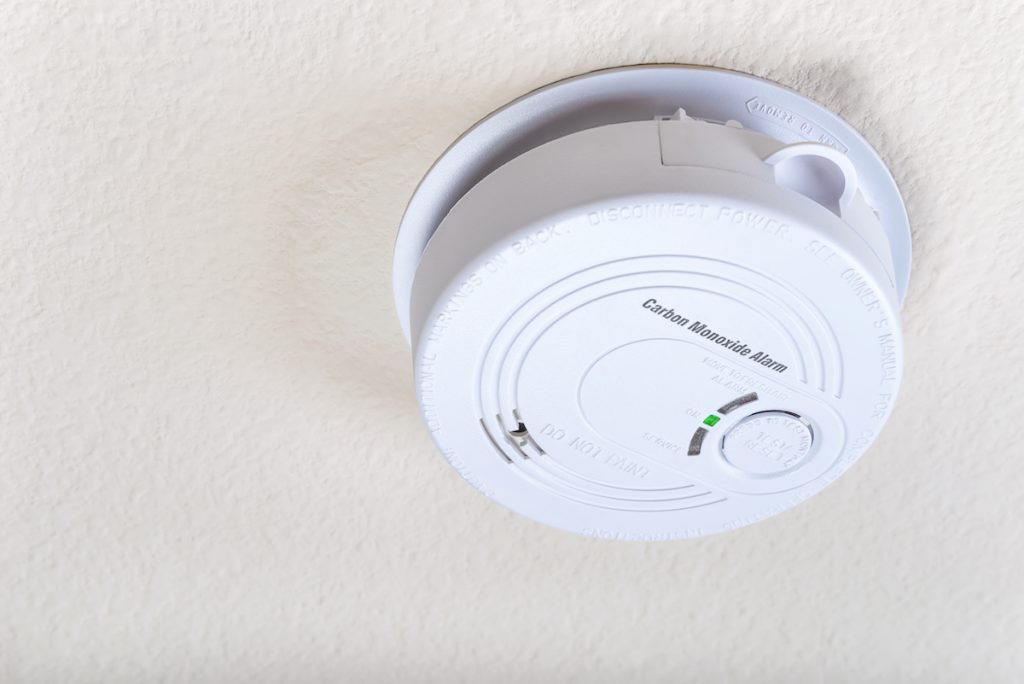
What is Carbon Monoxide?
Carbon Monoxide (CO) is an odorless, colorless gas produced when fuel such as gasoline, wood, charcoal, or oil is burned incompletely. It can build up to dangerous levels in homes and other buildings with poor ventilation. Long-term exposure can cause serious health problems including death. The Oregon Health Authority estimates that there are roughly 20 unintentional CO deaths in Oregon on average each year.
How do I know if I have carbon monoxide in my home?
Carbon monoxide is difficult to detect without a detector since it’s odorless and colorless. A carbon monoxide detector can help alert you of dangerous levels of CO in your home.
The following are warning signs that there might be high levels of carbon monoxide in your home: nausea, dizziness, headaches, and fatigue; soot around furnace vents; and seeing a yellow or orange-colored flame on your gas stove instead of blue. However, the most reliable way to safeguard yourself is by installing a carbon monoxide detector.
So How Many Carbon Monoxide Detectors Do I Need?
The truth is, there is no one-size-fits-all answer to this question. The number of carbon monoxide detectors you need depends on a variety of factors, including the size of your home, the layout of your home, and whether or not you have any gas-powered appliances.
If you have a small home with only one or two bedrooms, one carbon monoxide detector should suffice. However, if you have a larger home with multiple bedrooms and bathrooms, you’ll need more than one detector to ensure adequate coverage. The same goes for homes with multiple floors; if you have a two-story home, you should have at least one detector on each floor.
Finally, many homes in Salem, OR use gas-powered appliances. If you have any gas-powered appliances in your home—such as a furnace, water heater, or stove—you should install a carbon monoxide detector near those appliances. This will help ensure that you’re alerted to any potential problems as soon as possible.
Carbon Monoxide Detector Installation Tips
When installing carbon monoxide detectors, it’s important to follow some basic safety tips.
- Purchase CO alarms from a trusted retailer.
- Choose battery-operated alarms or alarms that use batteries as a backup.
- Follow the manufacturer’s instructions for proper installation.
- Make sure the detector is placed at least 15 feet away from any fuel-burning appliances.
- Make sure it is securely mounted on a wall or ceiling in an area where it can be easily heard.
- Make sure objects like furniture parts or drapery don’t cover the alarm.
- Interconnect CO alarms to provide the best protection. When one sounds, they all do.
- Install both CO alarms and smoke alarms in your home. You can also find combination smoke-and-carbon-monoxide detectors.
Carbon Monoxide Detector Maintenance Tips
Follow these tips to keep your CO detectors running efficiently and safely.
- Test your CO alarms once a month by pressing the test button to ensure they work properly.
- Replace CO alarm batteries twice a year.
- Clean your carbon monoxide detector regularly. Vacuum the outside of the detector with a soft brush attachment and use canned air to blow away any dust or debris that may have accumulated inside.
- Carbon monoxide detectors don’t last forever. Most detectors need to be replaced every 5-7 years.
- Check the manufacturer’s instructions for any additional maintenance that may be required.
What Should I do if the detector alarm sounds?
If your carbon monoxide detector alarm sounds, you should alert others and immediately evacuate your home and call 911. Do not re-enter the building until it has been checked by a qualified professional and any potential problems have been corrected. Seek immediate medical help if you suspect CO poisoning and are feeling dizzy, light-headed or nauseous.
Tips to Help Prevent CO in Your Home
The best way to avoid carbon monoxide poisoning is to take preventive measures to ensure that your home is free from this potentially deadly gas. Here are some tips:
- Have all fuel-burning appliances, such as furnaces or water heaters, inspected every year by a qualified technician.
- Make sure all fuel-burning appliances are vented properly and that the vents are not blocked or covered.
- Never use portable generators indoors or in an enclosed space.
- Open windows when using any fuel-burning appliance to ensure adequate ventilation.
- Avoid idling your car inside a garage, even if the garage door is open.
- Have your chimney cleaned and inspected annually to make sure it’s not blocked by debris or other materials.
- Never use a charcoal grill indoors.
- Do not use the oven for heating your home.
So how many carbon monoxide detectors do you need? It depends. Small homes with no gas-powered appliances might need only one detector, while larger homes with multiple floors and gas-powered appliances will need several detectors to ensure adequate coverage. No matter how many detectors you need, though, be sure to install them in strategic locations so that they can do their job effectively.
The Oregon Health Authority is a valuable resource for homeowners in the state of Oregon. The Authority provides information on carbon monoxide poisoning and how to prevent it, as well as resources for installing carbon monoxide detectors in your home. In addition, the Authority offers tips on how to stay safe from other types of home fires. By keeping up with the latest safety information from the Oregen Health Authority, you can help keep your family safe from carbon monoxide poisoning and other types of home fires.
Many people don’t realize that there are other health risks to be aware of in their homes beyond carbon monoxide. Radon and lead, for example, are two dangers that often go unnoticed. But both can cause serious health problems if not detected and addressed. Check out the links below to learn more.
For professional fire damage restoration services or smoke odor removal, contact PuroClean of Salem today.