


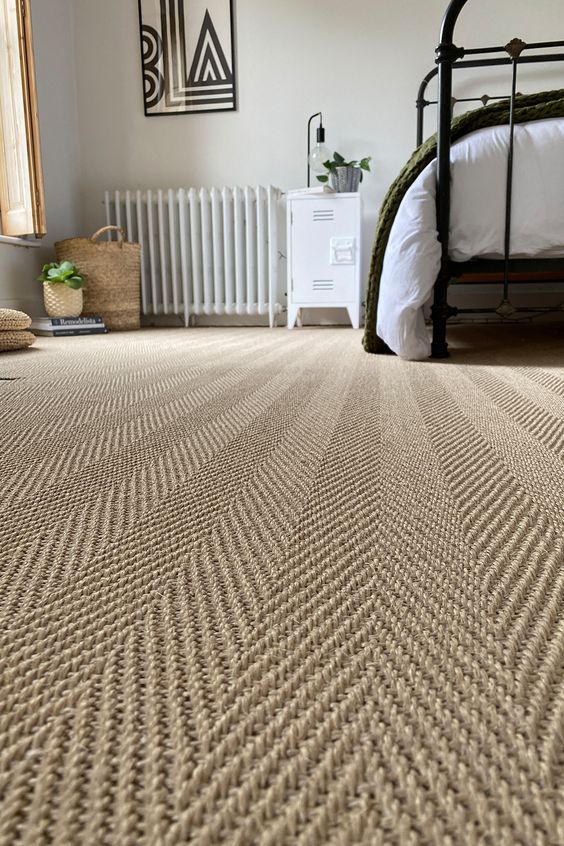
Carpet water damage can be quite distressing, but there are steps you can take to prevent it and address it effectively. Here’s what you need to know:
Causes of Carpet Water Damage:
Natural Disasters: Floods or heavy rain can soak your carpet.
Leaky Pipes: Damaged or leaking pipes can lead to water seeping into your carpet.
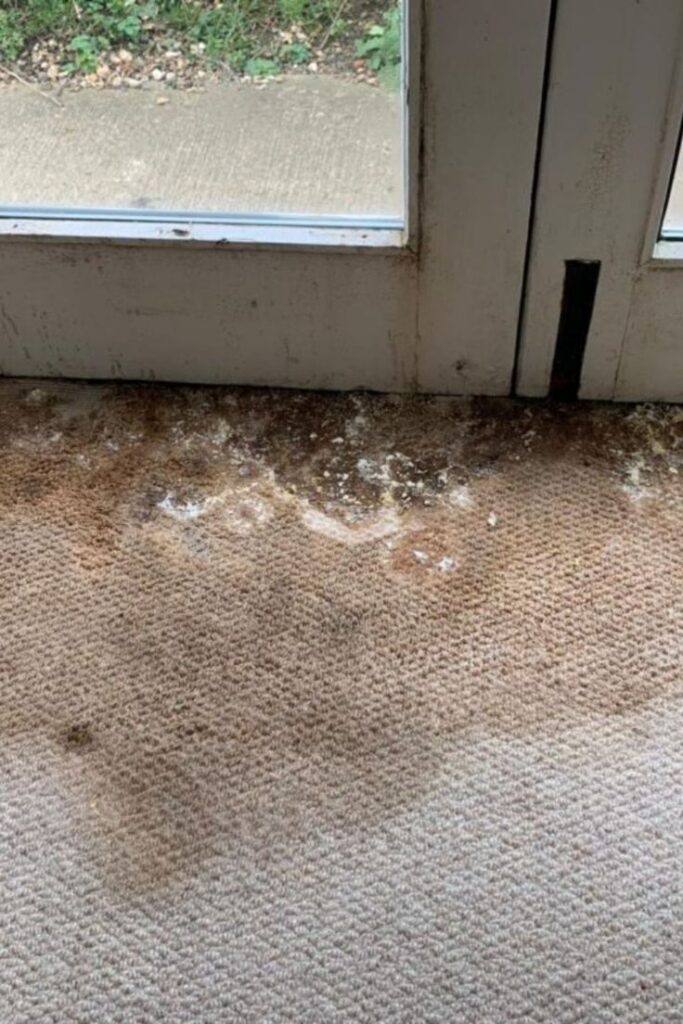
Sewage Overflow: If sewage backs up, it can contaminate your carpet.
Burst Pipes: Sudden pipe bursts can flood your home and damage carpets.
Signs of Water Damage in Carpets:
Mold and Mildew Growth: Look out for fuzzy patches or musty smells.
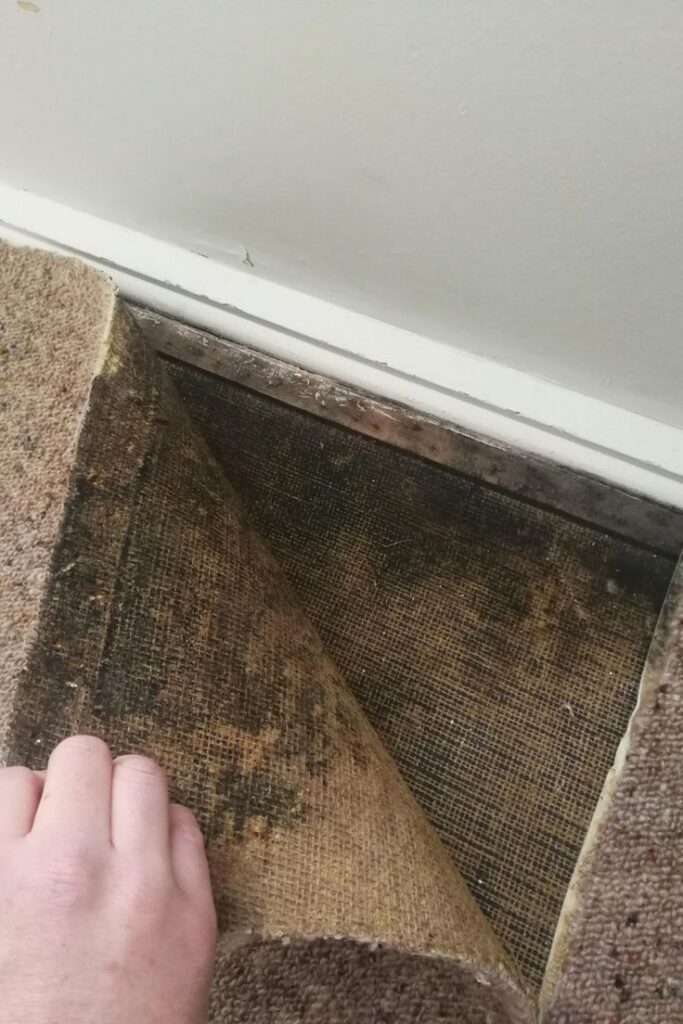
Dampness or Wetness: Touch the carpet to check for moisture.
Discoloration: Water can cause colors to fade or bleed.
Musty Odors: Unpleasant smells indicate water damage.
Immediate Actions:
Stop the Source: Identify and fix the water source (e.g., turn off the main water supply).
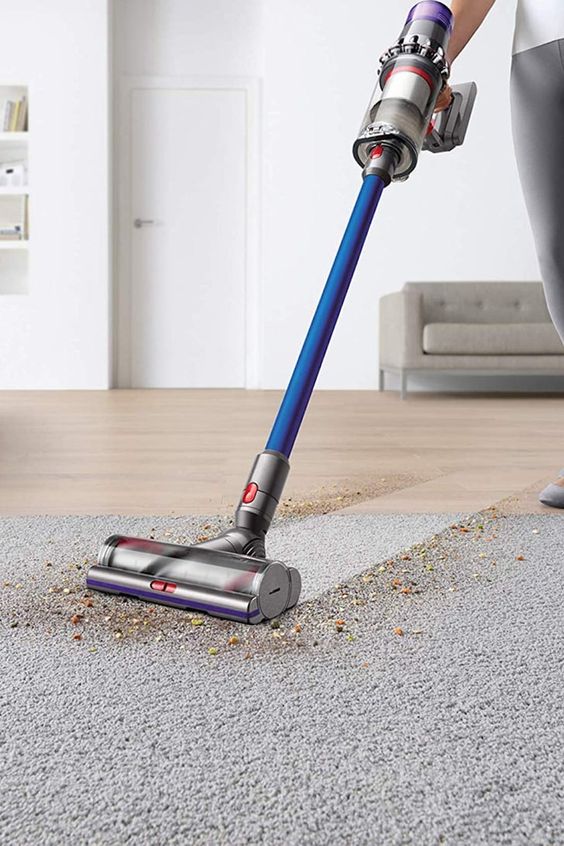
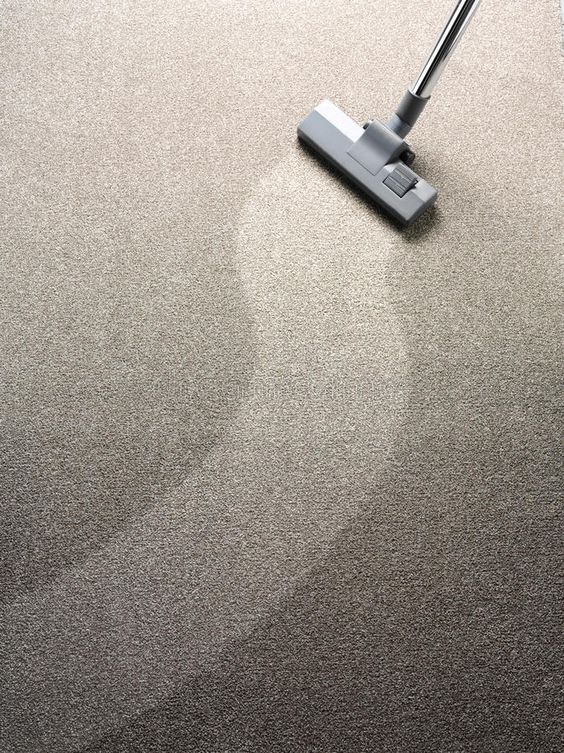
Remove Water: Use a wet/dry vacuum or mop to extract water.
Dry Thoroughly: Use fans and dehumidifiers to dry the carpet completely.
Clean the Carpet: Prevent mold growth by cleaning the carpet promptly.
Types of Water Damage:
Clean Water Damage: From rainwater or minor leaks.
Gray Water Damage: Contaminated water from burst pipes or toilet overflow.
Black Water Damage: Polluted water, such as sewage backups.
Health Risks:
Water-damaged carpets can harbor bacteria and pose health risks.
Prompt action and proper restoration are crucial to mitigate hazards.
Remember, acting swiftly is essential to minimize damage and protect your carpet. If in doubt, consider seeking professional help or replacing severely damaged carpets. 🌟