 PuroClean of San Clemente
Most homeowners know that coastal climates bring salty air and higher humidity, but few realize that the very system designed to keep your home comfortable can also be the gateway for mold growth. HVAC systems, when exposed to warm, damp conditions, can become breeding grounds for mold without showing obvious signs.
From subtle odors to unexplained allergies, the consequences often appear long before the mold itself does. Understanding how HVAC mold growth occurs and why it’s particularly problematic in coastal homes is the first step toward prevention and ensuring a healthier living space.
Understanding the Coastal Home Environment
Homes located near the ocean are exposed to environmental conditions that make them inherently more susceptible to mold. Unlike inland areas, coastal regions experience elevated humidity levels, frequent rainfall, and salty air, all of which influence how moisture behaves inside a house. HVAC systems in these homes often work harder to manage temperature and humidity, sometimes contributing to HVAC mold growth.
Why Coastal Homes Are More Prone to Moisture
Living by the coast comes with fresh air and scenic views, but also a higher risk of moisture buildup. The mix of salty air, humidity, and frequent rain keeps homes damp for long periods. Even tiny gaps around windows, doors, or roofs let moisture sneak in and raise humidity indoors. Over time, that dampness becomes the perfect environment for mold to grow, especially inside HVAC systems.
High Humidity Levels
Coastal air is naturally humid, and when that air gets trapped indoors, especially in rooms without good airflow, it creates ideal conditions for HVAC mold growth. Mold spores spread easily on walls, furniture, and inside air ducts, where moisture collects.
Salt-Laden Air
Salty air may feel refreshing, but it can corrode metal parts inside HVAC units. Over time, this corrosion causes small leaks where condensation forms, making it easier for mold to thrive unnoticed.
Temperature Fluctuations
In coastal areas, warm, damp air often meets cooler indoor surfaces, causing condensation. These constant temperature changes make it harder for HVAC systems to manage moisture effectively, leading to more HVAC mold growth risks.
Poor Ventilation
Coastal homes are often built to capture ocean views, but this design can restrict airflow. When ventilation is poor, moisture lingers in corners, attics, and ducts, perfect spots for mold. Regular cleaning and air duct mold prevention measures are essential to keep your home’s air clean and dry.
How HVAC Systems Influence Mold Growth
HVAC systems are designed to regulate temperature and airflow, but in coastal homes, they can unintentionally become mold incubators. When moisture accumulates in ducts, vents, or around the coils, mold spores settle and proliferate. Understanding the mechanics of HVAC mold growth is key to preventing a larger problem in your home.
Understanding HVAC Mold Growth
It refers to the development of mold inside heating, ventilation, and air conditioning components. Even minor condensation in ducts or drip pans provides enough moisture for spores to thrive. Once established, these spores can circulate through the home whenever the system runs, spreading mold to multiple rooms.
Among the different types that can appear, black mold is one of the most harmful due to its potential health effects. To understand its risks in more detail, explore our blog on black mold health risks.
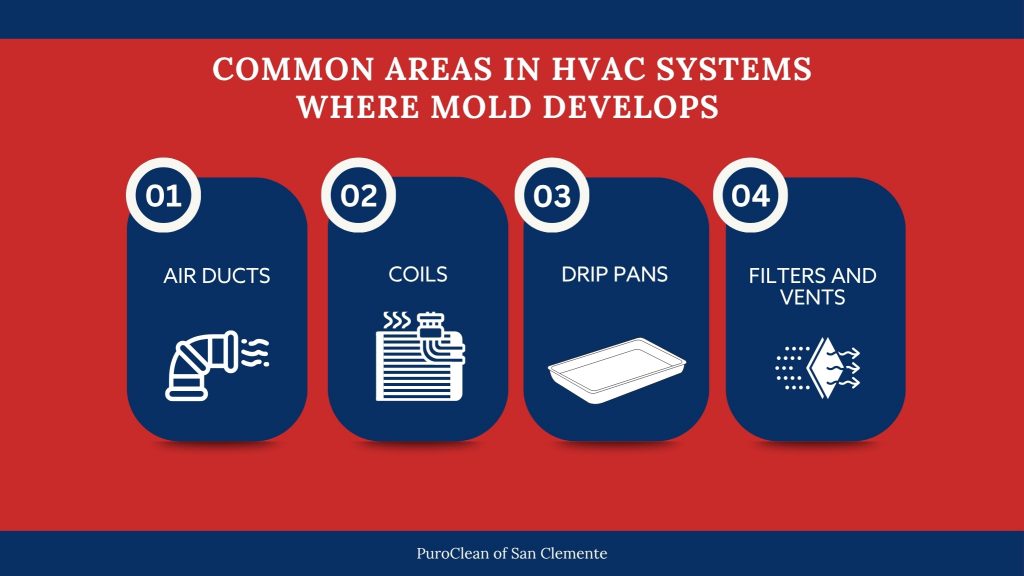
Common Areas in HVAC Systems Where Mold Develops
Mold can form in several HVAC components. These spots are especially vulnerable because they consistently encounter moisture and airflow, creating a perfect environment for spores to thrive.
- Air ducts: Moisture can settle in poorly insulated or clogged ducts.
- Coils: Condensation builds on evaporator coils, creating a damp surface.
- Drip pans: Standing water in drain pans is a frequent breeding ground.
- Filters and vents: Neglected filters allow spores to cling and multiply.
Left unchecked, mold in these areas can spread throughout the home whenever the system operates. Regular monitoring and preventive measures are key to stopping HVAC mold growth before it becomes a larger problem.
Signs of Mold Presence in HVAC Systems
Detecting mold early in HVAC systems is crucial for maintaining a healthy home. Mold in these systems doesn’t always show visible signs immediately, but subtle indicators can reveal its presence.
- Musty or earthy odors from vents or ducts
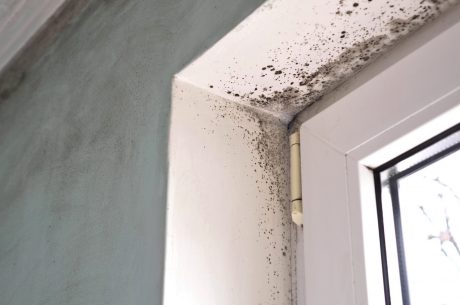
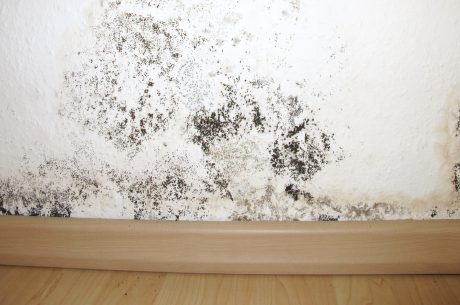
- Black or green spots inside or around vents
- Frequent allergy or respiratory symptoms among occupants
- Visible condensation or water stains near ducts or vents
Even small signs should not be ignored, as mold can spread rapidly once established. If left untreated, it can affect indoor air quality and pose potential health risks for your family.
Air Duct Mold Prevention Strategies
Preventing mold in HVAC systems requires consistent attention, especially in coastal homes where moisture is a constant challenge. Proper preventive measures not only protect the system but also improve indoor air quality. According to the National Center for Biotechnology Information (NCBI), effective prevention and remediation of damp indoor environments are essential, with strategies that include routine cleaning, moisture control, and ventilation improvements, forming the backbone of any successful air duct mold prevention plan.
Routine Maintenance Practices
Regular inspections and cleaning are the first line of defense. Homeowners should:
- Schedule professional duct cleaning every 1–2 years
- Replace filters as recommended to reduce moisture and debris buildup
- Monitor condensation in drip pans and coils
These steps reduce the likelihood of HVAC mold growth without requiring costly system overhauls.
Upgrades and System Improvements
Beyond routine maintenance, certain upgrades can dramatically reduce mold risk:
- Dehumidifiers: Maintain indoor humidity below 50%
- UV lights: Kill spores before they spread
- Antimicrobial coatings: Prevent mold growth on coils and ducts
- Enhanced ventilation: Ensures consistent airflow and limits trapped moisture
By integrating these solutions, homeowners can significantly reduce the risk of HVAC mold growth while improving overall indoor air quality. Implementing consistent air duct mold prevention measures ensures that moisture does not accumulate unnoticed.
Conclusion
Mold growth in coastal homes is not just a surface problem; it can hide within the very systems designed to keep you comfortable. HVAC systems, when exposed to high humidity and condensation, can harbor mold that spreads throughout the home.
Understanding the environmental factors and proactively implementing air duct mold prevention strategies is essential to safeguarding both your home and health. Early detection and routine care are the keys to maintaining a clean, safe indoor environment. Schedule a professional HVAC inspection today to ensure your system is mold-free and operating efficiently.
FAQs
Q1: How often should I check my HVAC system for mold?
A: It’s recommended to inspect HVAC components at least twice a year, particularly in humid coastal regions, to prevent HVAC mold growth.
Q2: Can mold in HVAC systems affect my family’s health?
A: Yes. Mold spores circulated by HVAC systems can trigger allergies, respiratory irritation, and other health concerns.
Q3: Are there DIY methods for air duct mold prevention?
A: Basic measures like regularly replacing filters, keeping drip pans dry, and monitoring humidity can help, but professional inspections are important for thorough air duct mold prevention.

 PuroClean of San Clemente