 PuroClean of San Clemente
When most people hear the term “biohazard cleanup,” their minds often jump to dramatic crime scenes or hazmat suits straight out of a movie. In reality, the work is far less theatrical but far more important.
Across San Clemente, families, landlords, and business owners sometimes face situations involving blood, bodily fluids, chemical exposure, or even hoarding that require specialized cleanup. Yet, biohazard cleanup myths often cause confusion and hesitation, sometimes leading people to take risky shortcuts.
This blog breaks down those myths in plain language, so you’ll know what really matters when safety and health are on the line.
Understanding Biohazard Cleanup and Its Importance
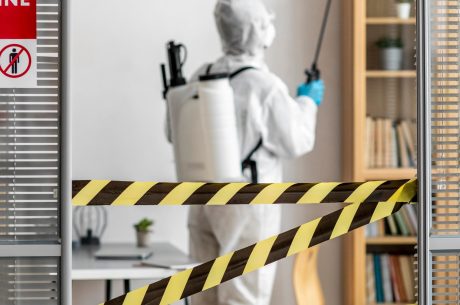
Biohazard cleanup is not your average cleaning job. It’s a specialized process that involves identifying, removing, and disinfecting areas contaminated by biological materials that pose a health risk. These include bloodborne pathogens, viruses, bacteria, and other infectious agents.
What makes biohazard cleanup so critical is that these contaminants can’t be seen with the naked eye. Even a small trace left behind can spread illness or infection. Professionals follow strict protocols, use hospital-grade disinfectants, and wear protective gear to prevent exposure. Choosing a certified biohazard cleanup company is especially important, as trained specialists know how to handle hazardous materials safely and effectively. This not only ensures proper disinfection but also helps protect your health and home from lingering risks.
In communities like San Clemente, where people take pride in their homes and businesses, it’s essential to separate fact from fiction. Misinformation doesn’t just lead to wasted time; it can compromise health. Understanding the truth behind biohazard cleanup myths helps residents stay informed and safe.
The Reality Behind Biohazard Cleanup Misconceptions
It’s easy for false information to spread. A friend might insist that bleach kills everything. A neighbor might think cleanup only applies after violent incidents. Others assume professionals are just overcharging for something they could do themselves.
The truth is that biohazard safety awareness starts with knowing that cleanup is about science, not superstition. These professionals work under guidelines from the CDC, OSHA, and EPA, ensuring every surface, air particle, and object in the affected area is properly decontaminated.
Let’s look at the most common myths that still mislead many San Clemente residents.
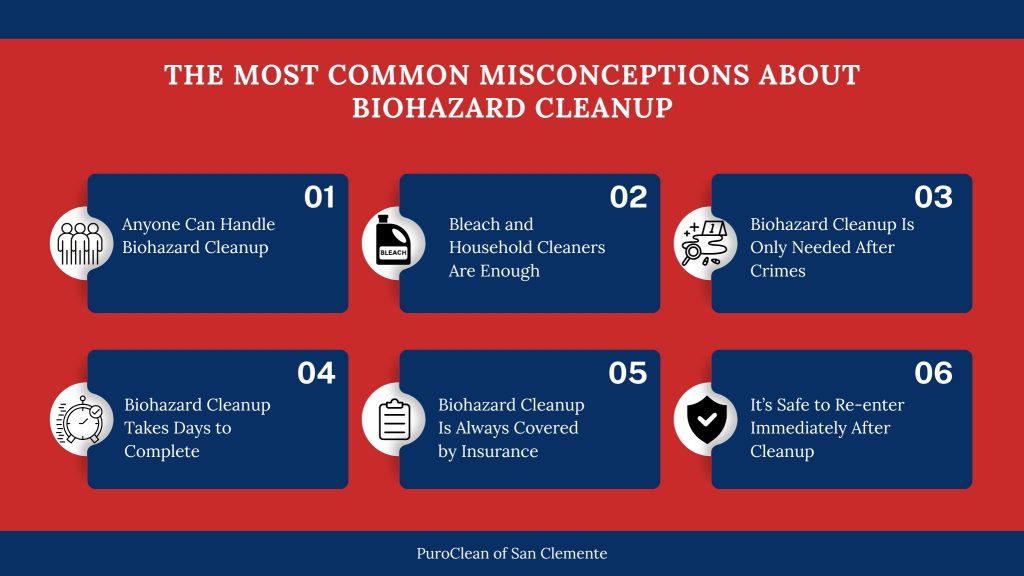
Myth 1: Anyone Can Handle Biohazard Cleanup
This is one of the most dangerous biohazard cleanup myths out there. Cleaning up blood, tissue, or chemical waste is not the same as wiping a countertop. Even a minor exposure can cause serious infections such as hepatitis or MRSA, a type of bacteria that’s resistant to many antibiotics and difficult to treat.
Certified cleanup specialists are trained to assess risks, use protective gear correctly, and dispose of contaminated materials safely. They also know how to prevent cross-contamination between affected and clean areas. The best way to build biohazard safety awareness is to accept that this work demands expertise, not DIY determination.
Myth 2: Bleach and Household Cleaners Are Enough
Sure, bleach is strong, but it’s not magic. Many pathogens resist common household cleaners, and bleach alone doesn’t eliminate biohazards embedded in porous materials like carpets or wood.
Professionals use medical-grade disinfectants and specialized fogging or ozone equipment to ensure full decontamination. These tools destroy pathogens at a microscopic level and follow strict cleaning protocols outlined by the Centers for Disease Control and Prevention (CDC), which emphasize thorough disinfection practices beyond what regular household products can achieve.
Believing in shortcuts is one of the most persistent biohazard cleanup myths, and it often leaves behind invisible dangers that continue to grow long after the cleanup “looks” finished.
Myth 3: Biohazard Cleanup Is Only Needed After Crimes
Not even close. Biohazard safety awareness means understanding that these situations can occur anywhere, and often without any criminal involvement. Accidents at home, medical emergencies, hoarding conditions, sewage backups, or unattended deaths all require the same professional attention.
Each situation carries its own risks, from airborne pathogens to structural contamination. Cleanup isn’t about the cause; it’s about restoring safety and peace of mind.
Myth 4: Biohazard Cleanup Takes Days to Complete
Another common misconception is that the process drags on for days. In truth, cleanup times vary depending on the scope of contamination, but professionals often complete most jobs within hours.
Using advanced tools and trained teams, specialists quickly assess, contain, and decontaminate areas. This efficiency is possible because they follow proven systems, not guesswork. By dispelling biohazard cleanup myths like this, residents can plan realistically and avoid unnecessary stress.
Myth 5: Biohazard Cleanup Is Always Covered by Insurance
Insurance coverage depends on the cause and your specific policy. While some homeowners’ or business insurance plans do include biohazard cleanup, others may classify it under exclusions.
Understanding your coverage in advance is part of biohazard safety awareness; it helps you respond quickly and make informed financial decisions when an incident occurs. Professional cleanup companies can often assist in communicating with your insurer to clarify what’s included.
Myth 6: It’s Safe to Re-enter Immediately After Cleanup
Even after a space looks spotless, microscopic risks can remain. Airborne contaminants, surface residues, or moisture trapped in materials can continue to pose health hazards.
Trained professionals perform verification tests, including ATP swab tests and air quality checks, before confirming that an area is safe for re-entry. This step eliminates lingering risks and gives you peace of mind. Ignoring these procedures is one of the riskiest biohazard cleanup myths, and it’s easily avoided with a reputable cleanup team.
Why Local Expertise Matters in San Clemente
There’s something reassuring about working with a local team that knows your community. In San Clemente, climate, building materials, and local regulations can all influence how biohazard cleanup is handled. For instance, moisture levels near the coast can affect how contaminants spread and how long decontamination takes.
Local professionals not only understand these nuances but also respond faster during emergencies. Their connection to the community means they take each case personally, not just as another job. They’re invested in restoring safety for their neighbors and keeping biohazard safety awareness high across the region.
Plus, familiarity with local waste disposal protocols ensures everything from contaminated materials to equipment sanitization meets regional environmental standards.
Conclusion
In a world full of misinformation, separating facts from fiction is essential, especially when health is at stake. Biohazard cleanup myths can lead to dangerous decisions, putting families, property, and even first responders at risk.
Understanding what biohazard cleanup truly involves, science, training, and safety, empowers residents to make the right call when faced with a crisis. Whether it’s a small home accident or a large commercial cleanup, professional expertise makes all the difference. By promoting biohazard safety awareness, San Clemente can continue to protect its community and dispel these myths for good.
FAQs
Q1: What qualifies as a biohazard situation?
A: Any situation involving blood, bodily fluids, chemical waste, or potentially infectious materials qualifies. If the scene could expose someone to harmful bacteria or viruses, it requires professional biohazard cleanup services.
Q2: How do I choose a trusted cleanup company in San Clemente?
A: Look for certified specialists who follow OSHA and EPA guidelines, maintain proper insurance, and have proven local experience. Reviews and transparent communication are also good indicators of reliability.
Q3: Can I stay home during the cleanup process?
A: It depends on the severity of contamination. For most cases, professionals recommend temporarily leaving the affected area until it’s verified as safe for re-entry. This ensures your comfort and safety during the process.
 PuroClean of San Clemente