 PuroClean of San Clemente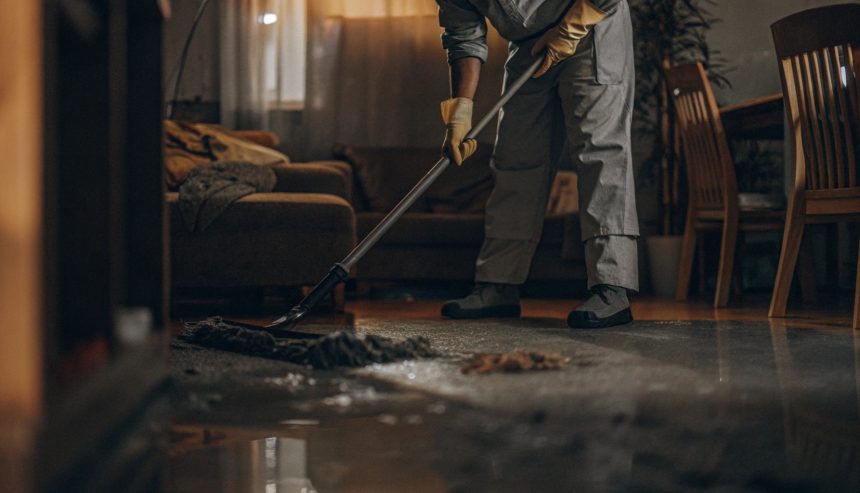
Most people associate biohazards with hospitals or industrial accidents. In reality, many serious contamination situations begin quietly inside everyday homes. A sudden medical emergency, a plumbing failure, or even a long-unnoticed pest issue can turn familiar spaces into unsafe environments. These situations are rarely dramatic at first, which is why they are often underestimated or handled incorrectly.
Understanding what qualifies as a biohazard and how it enters living spaces helps homeowners recognize risks early and respond safely. This guide focuses on the most common household scenarios that may require specialized cleanup, explaining what happens, why the risks exist, and how exposure can spread when left unaddressed.
Understanding Biohazard Exposure Inside Residential Spaces
A biohazard refers to biological materials that can pose a health risk to humans. In residential settings, this typically involves blood, bodily fluids, human or animal waste, and materials contaminated by bacteria or viruses. A biohazard in home environments does not always look severe on the surface, which is why it is often mistaken for a standard cleaning problem.
When blood or other potentially infectious materials are present, the risk isn’t only what’s visible; exposure can occur through contact with blood/body fluids or through needlestick and other sharps injuries. If an exposure occurs, CDC/NIOSH recommends immediate first aid (wash/flush/irrigate as appropriate), reporting the incident, and promptly seeking medical care to assess risk and determine follow-up steps.
Medical Emergencies and Accidental Injuries at Home
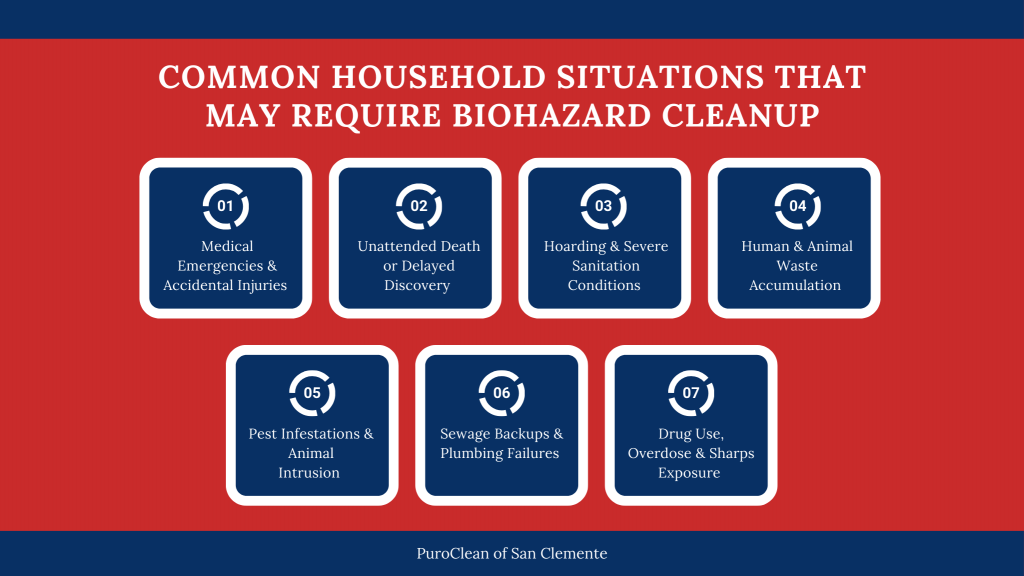
Serious injuries and medical events are among the most common household situations that create biological contamination. Falls, seizures, severe cuts, or sudden health crises may result in blood or bodily fluids contacting floors, furniture, or bedding. These materials can carry pathogens even when the individual involved is not visibly ill.
In these cases, the concern is not just what can be seen. Residential biohazard risks increase when fluids spread beyond the immediate area or soak into absorbent surfaces. Standard disinfectants may not neutralize all pathogens, especially when contamination has been present for extended periods.
Blood and Bodily Fluid Contamination
Bloodborne pathogens such as hepatitis B, hepatitis C, and HIV are a key concern during cleanup after injuries. These organisms can be present in blood and bodily fluids and may spread easily if contaminated areas are handled without proper precautions. While homes are different from clinical settings, the same biological risks apply.
Even after blood dries, pathogens can remain beneath the surface, creating a hidden biohazard in home condition that requires careful handling rather than routine cleaning.
Unattended Death or Delayed Discovery Situations
When a death occurs in a home and is not discovered promptly, biological decomposition begins to affect the surrounding environment. As tissues break down, fluids and gases are released, contaminating flooring, walls, and nearby contents. The longer the delay, the further the contamination can travel.
In these situations, a biohazard in home environment develops quickly due to the combination of biological material and environmental exposure. Cleanup is complex because contamination may extend far beyond the visible area, especially in warm or enclosed spaces.
Air Quality and Surface Exposure Risks
Decomposition can significantly affect indoor air quality. Gases released during this process can circulate through ventilation systems, settling on surfaces in multiple rooms. These conditions increase residential biohazard risks, even in areas that appear untouched. Without specialized containment and cleaning methods, exposure may continue long after the initial event.
Hoarding and Severe Sanitation Conditions
Hoarding situations often involve prolonged neglect of waste, food remnants, and hygiene-related materials. Over time, this creates an environment where bacteria and pathogens multiply. Biohazards in these homes are rarely limited to one room and often exist beneath layers of stored items.
Because these conditions develop gradually, residential biohazard risks may go unnoticed until odors, pests, or health symptoms appear. Cleanup requires careful removal of contaminated materials and assessment of underlying surfaces.
Presence of Human and Animal Waste
When human or animal waste accumulates indoors, bacteria can multiply and spread beyond the visible area. Over time, waste may seep into subflooring, walls, or other porous materials, making cleanup more complex than it initially appears.
In these cases, a biohazard in home condition can develop that cannot be resolved through surface cleaning alone. The Environmental Protection Agency (EPA) provides guidance on handling and disposing of biological and contaminated waste safely, emphasizing the need for controlled removal and proper disposal to reduce exposure risks.
Pest Infestations and Animal Intrusion
Rodents, birds, and other animals can introduce biological contamination through droppings, urine, and nesting materials. These substances may carry harmful microorganisms, especially when they build up in hidden areas like attics or wall cavities. When disturbed, contaminated particles can spread into the living space, creating a biohazard in home situation that goes beyond routine cleaning.
Droppings, Nesting Materials, and Decomposition
Animal waste and remains often dry out over time, making them easy to disturb during cleaning or renovation. This disturbance can release particles into the air, increasing residential biohazard risks for occupants. Proper cleanup focuses on containment and safe removal to limit exposure.
Sewage Backups and Plumbing Failures
Sewage contamination is one of the most hazardous household situations. Unlike clean water leaks, sewage contains bacteria, viruses, and parasites that pose immediate health concerns. The EPA categorizes sewage as a high-risk contamination source due to the pathogens present. A biohazard in home scenario caused by sewage can affect flooring, walls, and personal belongings within minutes. Even after water is removed, contamination often remains embedded in materials.
Impact on Flooring, Walls, and Household Contents
Porous surfaces absorb contaminated water quickly, making thorough removal essential. Without proper treatment, residential biohazard risks may persist beneath surfaces, leading to ongoing exposure or secondary issues such as microbial growth.
Drug Use, Overdose, or Hazardous Substance Exposure
Certain household situations involving substance use can introduce biological hazards. Used needles, blood-contaminated items, or bodily fluids may be present following an overdose or medical emergency. The CDC estimates approximately 385,000 needlestick injuries occur each year among healthcare workers, illustrating how easily sharps can cause exposure when mishandled.
In residential settings, these materials create a biohazard in home environment that requires careful handling to prevent injury or infection.
Sharps, Residue, and Cross-Contamination
Sharps and contaminated items can expose others long after the initial event. Improper disposal increases residential biohazard risks, especially for children, pets, or caregivers who may come into contact unknowingly.
Why Biohazard Situations Should Not Be Handled Alone
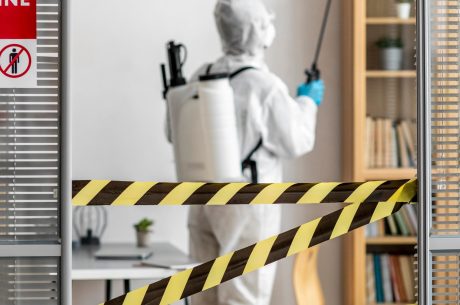
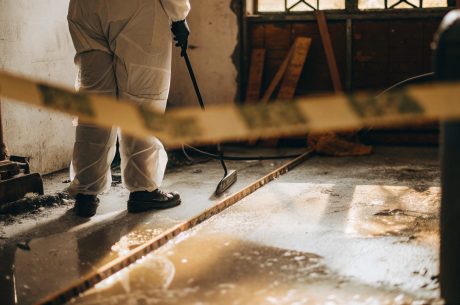
Household cleaners and basic protective gloves are not designed to manage biological contamination at this level. Attempting cleanup without proper equipment can spread contaminants and increase exposure. A biohazard in home situations often involves hidden risks that require specialized methods. You can also refer to our blog on what happens to biohazard waste after cleanup for a clearer understanding of the process beyond removal.
Conclusion
Biohazard situations in residential spaces are more common than many people realize. Medical emergencies, sanitation issues, pests, and plumbing failures can all introduce harmful biological materials into living environments. Recognizing a biohazard in home setting early allows for safer decision-making and reduces the likelihood of ongoing exposure. Awareness is the first step toward protecting both the home and the people inside it.
FAQs
Q1. What qualifies as a biohazard inside a home?
A: A biohazard includes biological materials such as blood, bodily fluids, waste, or contaminated items that may carry harmful pathogens.
Q2. Are biohazards always visible?
A: No. Many hazards remain hidden beneath surfaces or in the air, increasing residential biohazard risks even when spaces appear clean.
Q3. Can regular cleaning products handle these situations safely?
A: Standard cleaners are not designed to eliminate biological contamination, which is why a biohazard in home often requires specialized cleanup methods.

 PuroClean of San Clemente