 PuroClean of San Clemente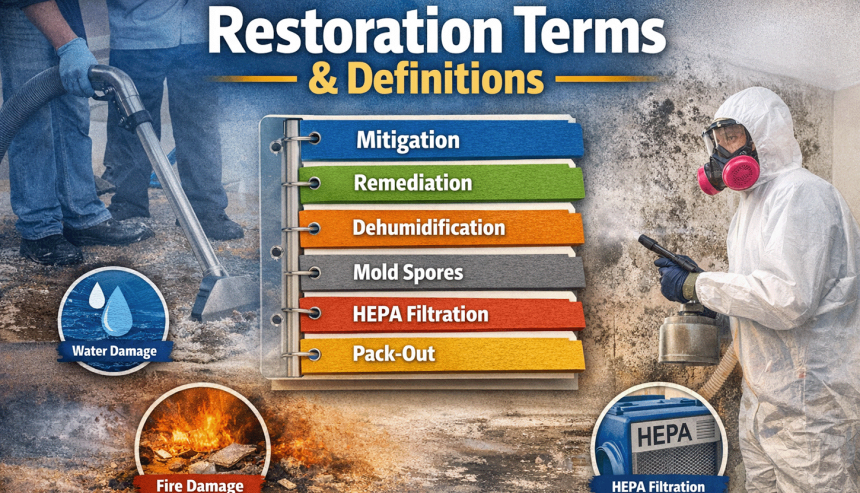
When water damage, mold growth, or fire damage impacts your home, restoration professionals often use technical terms that may be unfamiliar. Understanding these terms can help homeowners make informed decisions and better communicate with restoration contractors during the recovery process.
If you live in San Clemente or Orange County, knowing these terms can also help you choose the right restoration company when dealing with water damage, mold remediation, fire cleanup, or other property emergencies.
Below are some of the most common restoration industry terms homeowners should understand.
Restoration Industry Terms and Definitions
Mitigation
Mitigation refers to the initial steps taken to prevent further damage after a disaster. In water damage situations, mitigation may include removing standing water, drying affected areas, and protecting materials from additional deterioration.
Mitigation focuses on stopping the damage from getting worse, while restoration focuses on repairing it.
Restoration
Restoration is the process of returning a property to its pre-loss condition after damage has occurred. This can include repairing structural components, replacing flooring or drywall, and restoring damaged areas of the home.
Remediation
Remediation refers to removing hazardous contaminants such as mold, asbestos, or lead from a property and restoring safe living conditions.
For example, mold remediation involves identifying moisture sources, removing contaminated materials, and preventing future mold growth.
Water Damage Categories
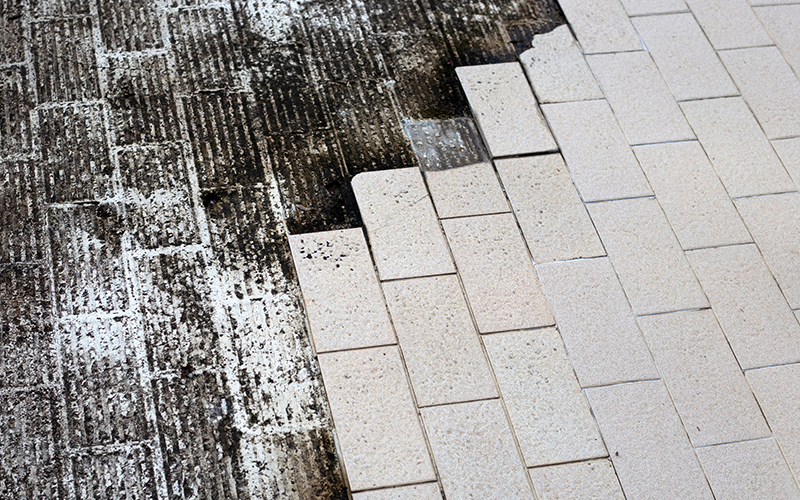
Water damage is classified into three categories based on contamination levels.
Category 1 – Clean Water
Water from a sanitary source such as broken supply lines, leaking appliances, or rainwater.
Category 2 – Gray Water
Water containing contaminants that could cause illness if exposed. Examples include dishwasher overflow or washing machine leaks.
Category 3 – Black Water
Highly contaminated water from sewage backups, flooding, or other hazardous sources that require professional restoration services.

Water Damage Classes
Water damage classes describe how much water has been absorbed by building materials and how difficult it will be to dry the structure.
Higher classes usually require more equipment and longer drying times.
Structural Drying
Structural drying is the process of removing moisture from building materials such as drywall, wood framing, and flooring using professional equipment.
This process helps prevent structural damage and mold growth.
Dehumidification
Dehumidification removes moisture from the air using industrial dehumidifiers. Lower humidity levels allow materials to dry faster and help prevent mold growth.
Psychrometry
Psychrometry is the science of measuring air temperature, humidity, and moisture levels to determine the most effective drying strategy during restoration projects.
Restoration professionals use psychrometric readings to ensure proper drying conditions.
Mold Remediation
Mold remediation involves identifying mold growth, containing contaminated areas, removing mold-affected materials, and correcting moisture issues to prevent recurrence.
Mold Spores
Mold spores are microscopic particles released by mold colonies. These spores travel through the air and can grow when they land on damp surfaces.
Containment
Containment refers to isolating affected areas using plastic barriers and negative air pressure to prevent contaminants like mold spores from spreading throughout the home.
HEPA Filtration
HEPA (High Efficiency Particulate Air) filtration systems capture very small airborne particles including mold spores, dust, and smoke particles.
These filtration systems are commonly used during mold remediation and fire damage cleanup.
Deodorization
Deodorization removes odors caused by smoke, mold, or water damage using specialized treatments and equipment.
Contents Restoration
Contents restoration involves cleaning and restoring personal belongings such as furniture, clothing, and electronics that were damaged during a disaster.
Pack-Out
A pack-out occurs when technicians remove personal belongings from a property so restoration work can be performed safely and efficiently.
IICRC
The Institute of Inspection, Cleaning and Restoration Certification (IICRC) sets industry standards for restoration professionals.
Many restoration companies follow IICRC guidelines for water damage restoration, mold remediation, and fire damage cleanup.
Why Understanding Restoration Terms Matters
When homeowners understand restoration terminology, they can:
• Communicate more effectively with restoration professionals
• Better understand insurance claim processes
• Make informed decisions about repairs and mitigation
• Protect their homes from additional damage
Restoration projects often involve multiple steps—from emergency mitigation to full structural restoration—so understanding the process can make recovery much less stressful.
When to Call a Restoration Professional
If your home experiences water damage, mold growth, fire damage, or storm damage, it’s important to act quickly. Early intervention can prevent additional structural damage and reduce repair costs.
Professional restoration companies have specialized equipment and training to safely restore properties after disasters.
If you need help with water damage restoration, mold remediation, or fire damage cleanup in San Clemente or Orange County, working with a certified restoration team can help ensure your home is restored properly.
FAQ About Restoration Services
What is the difference between mitigation and restoration?
Mitigation stops further damage from occurring, while restoration focuses on repairing and rebuilding damaged areas.
How long does water damage restoration take?
Most drying processes take between 3–5 days, but larger restoration projects may take longer depending on the extent of damage.
Can water damage cause mold?
Yes. Mold can begin growing within 24–48 hours in damp environments, which is why quick drying and mitigation are critical.
Do restoration companies work with insurance?
Many restoration companies work directly with insurance providers to help homeowners navigate the claims process.
 PuroClean of San Clemente